
Start early instead of waiting
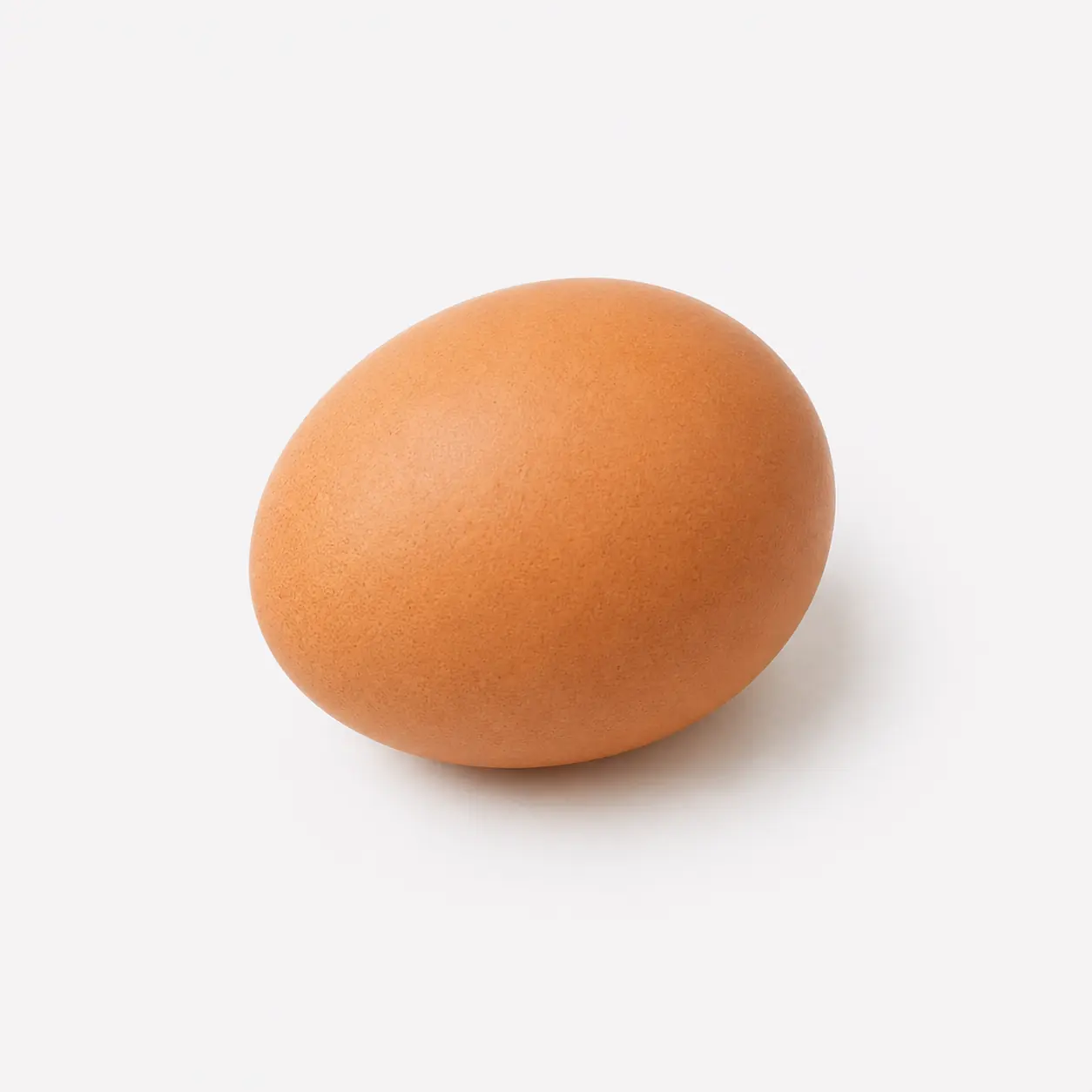
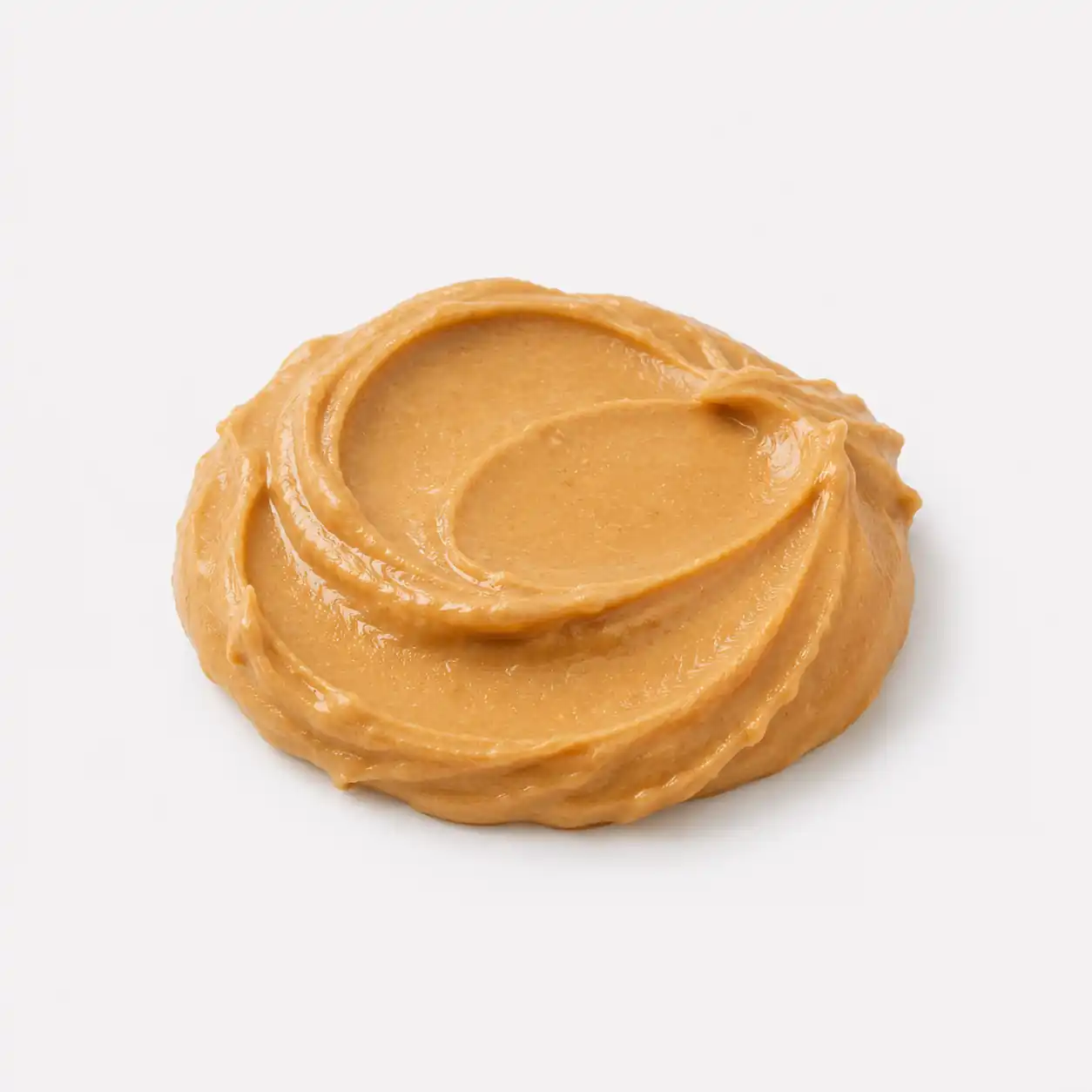
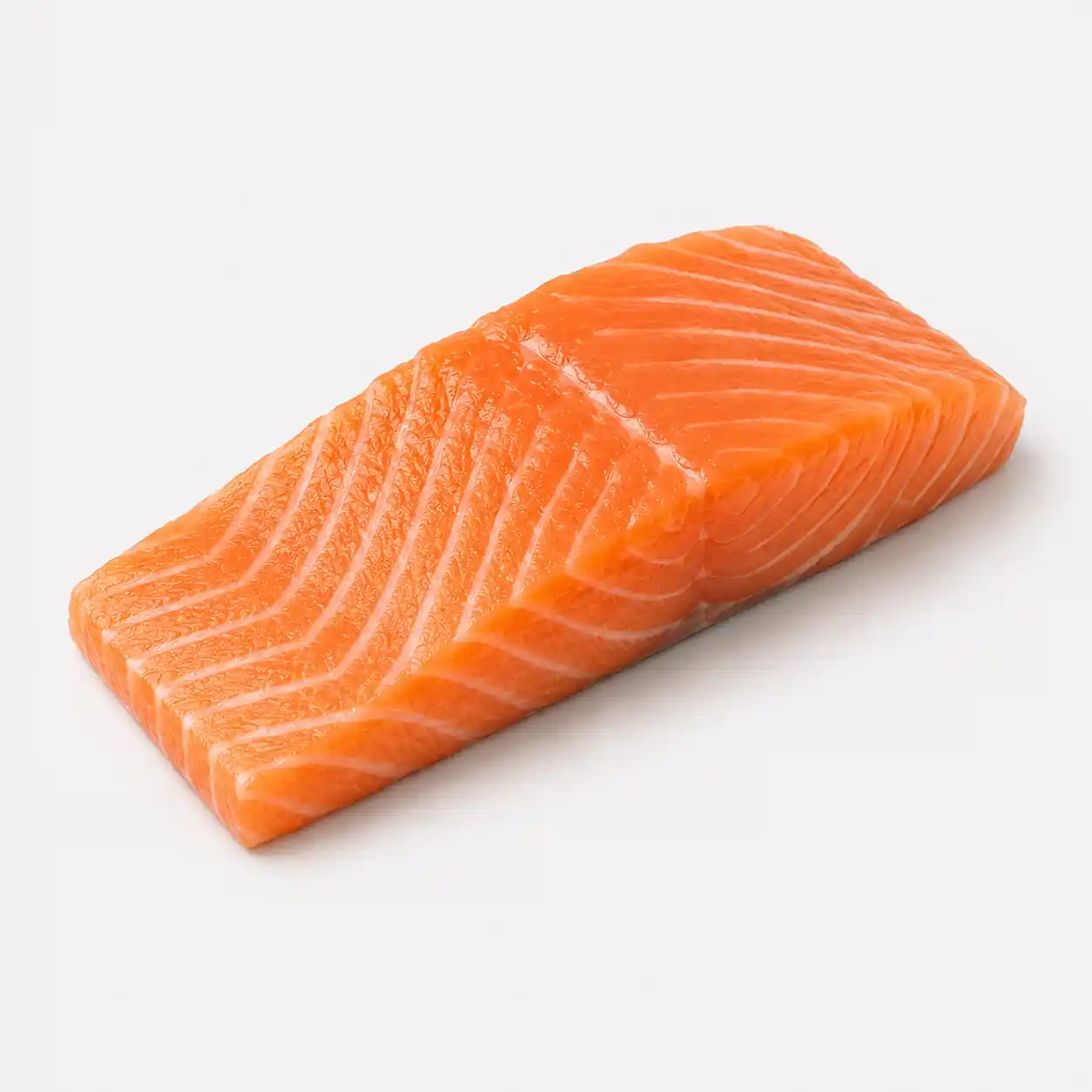
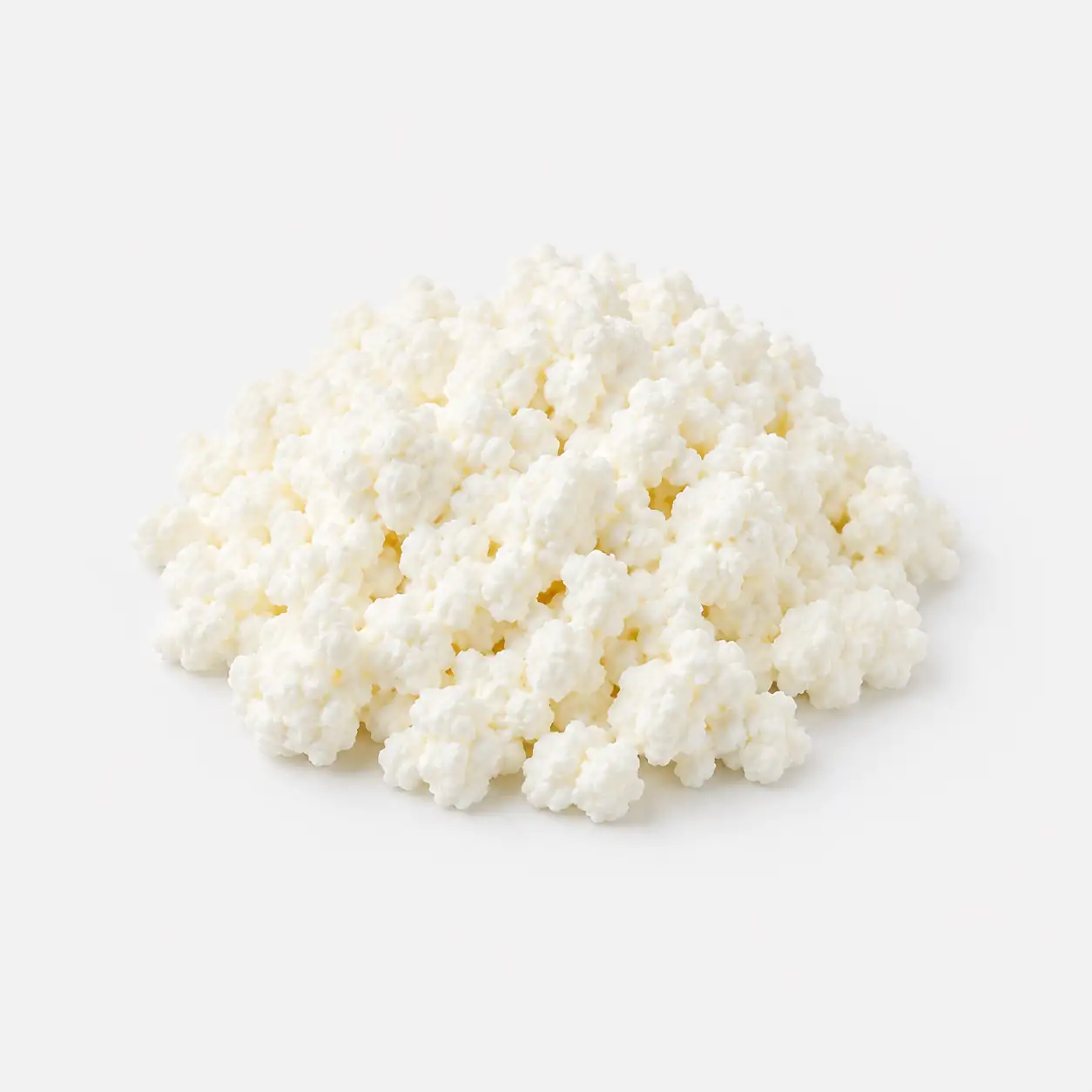
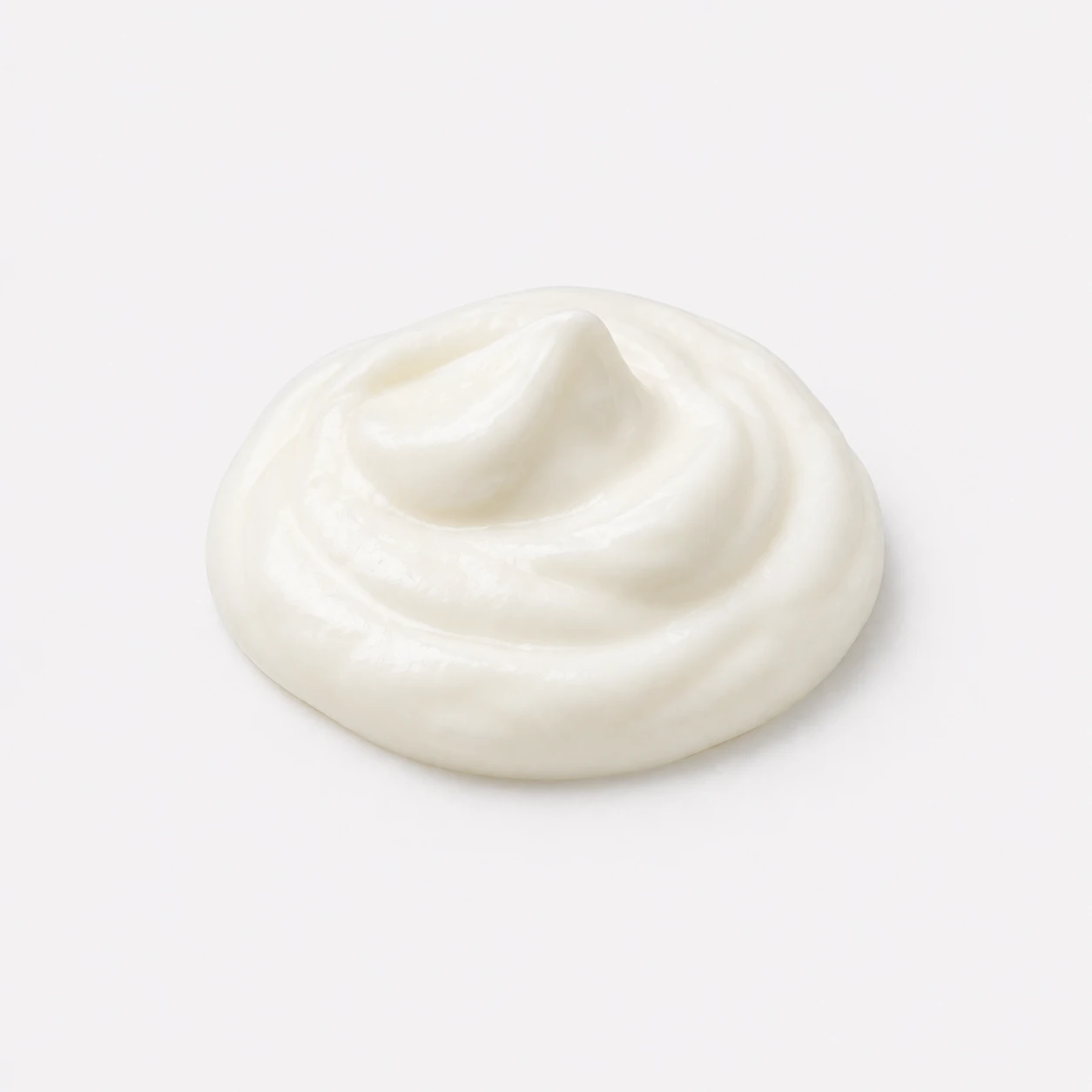
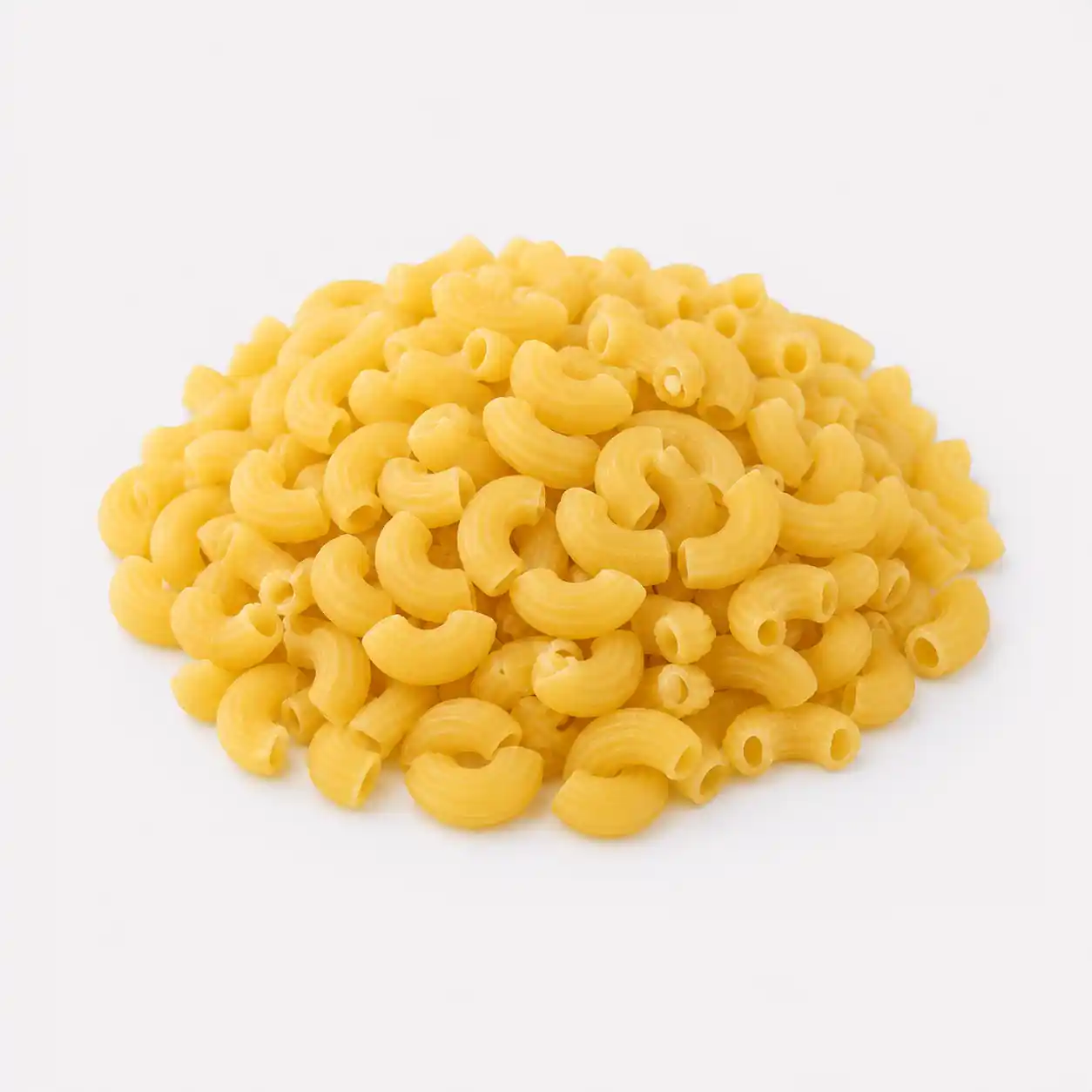
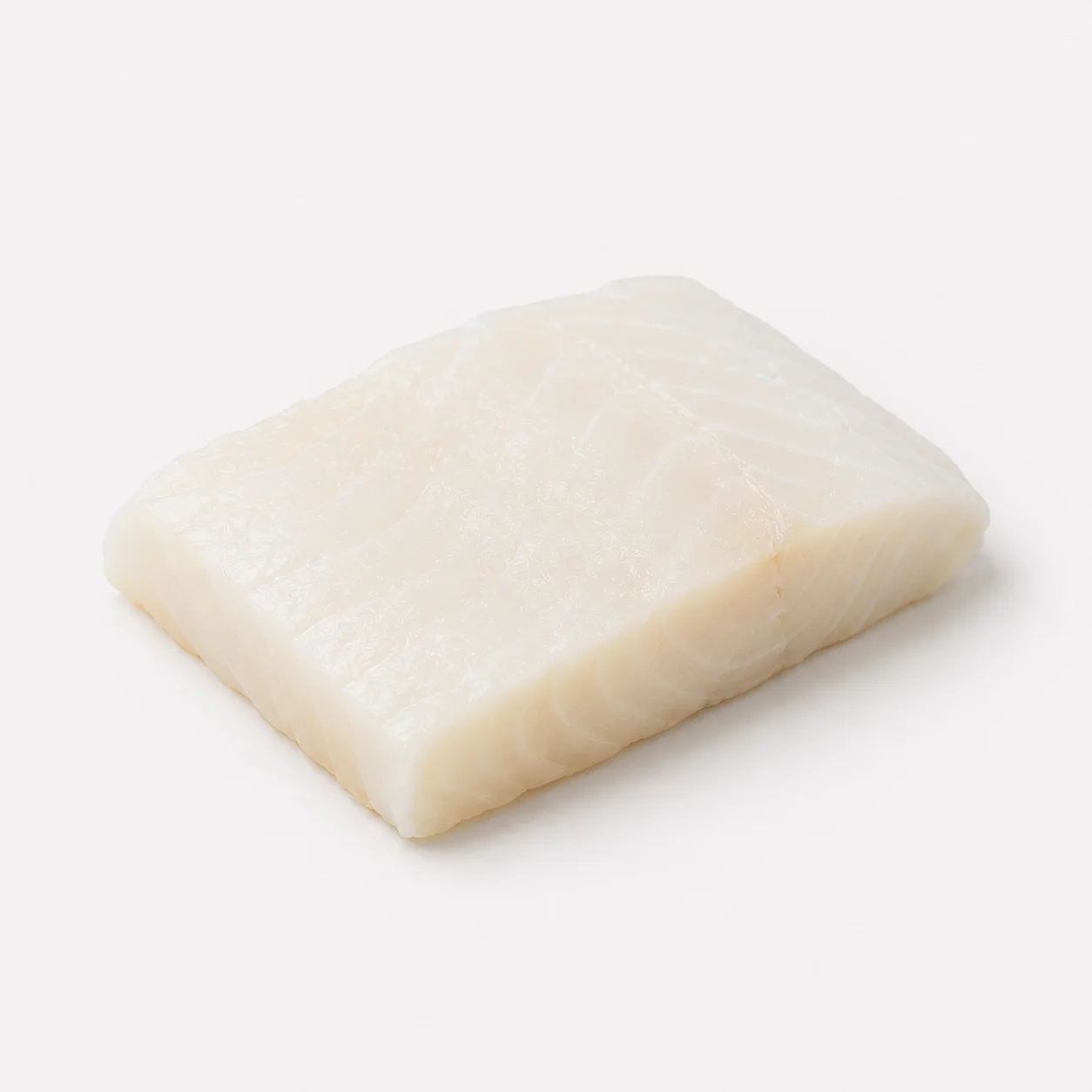
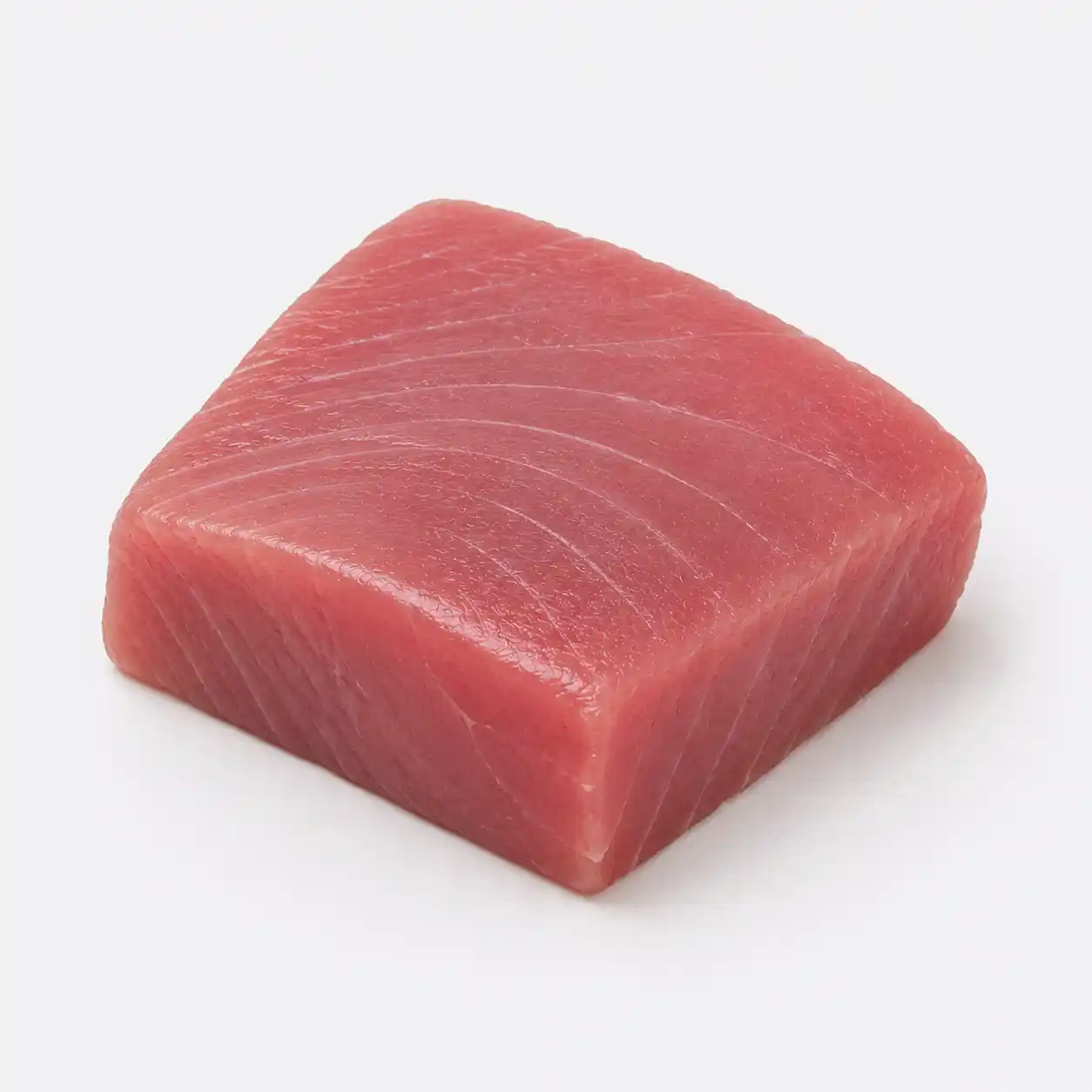
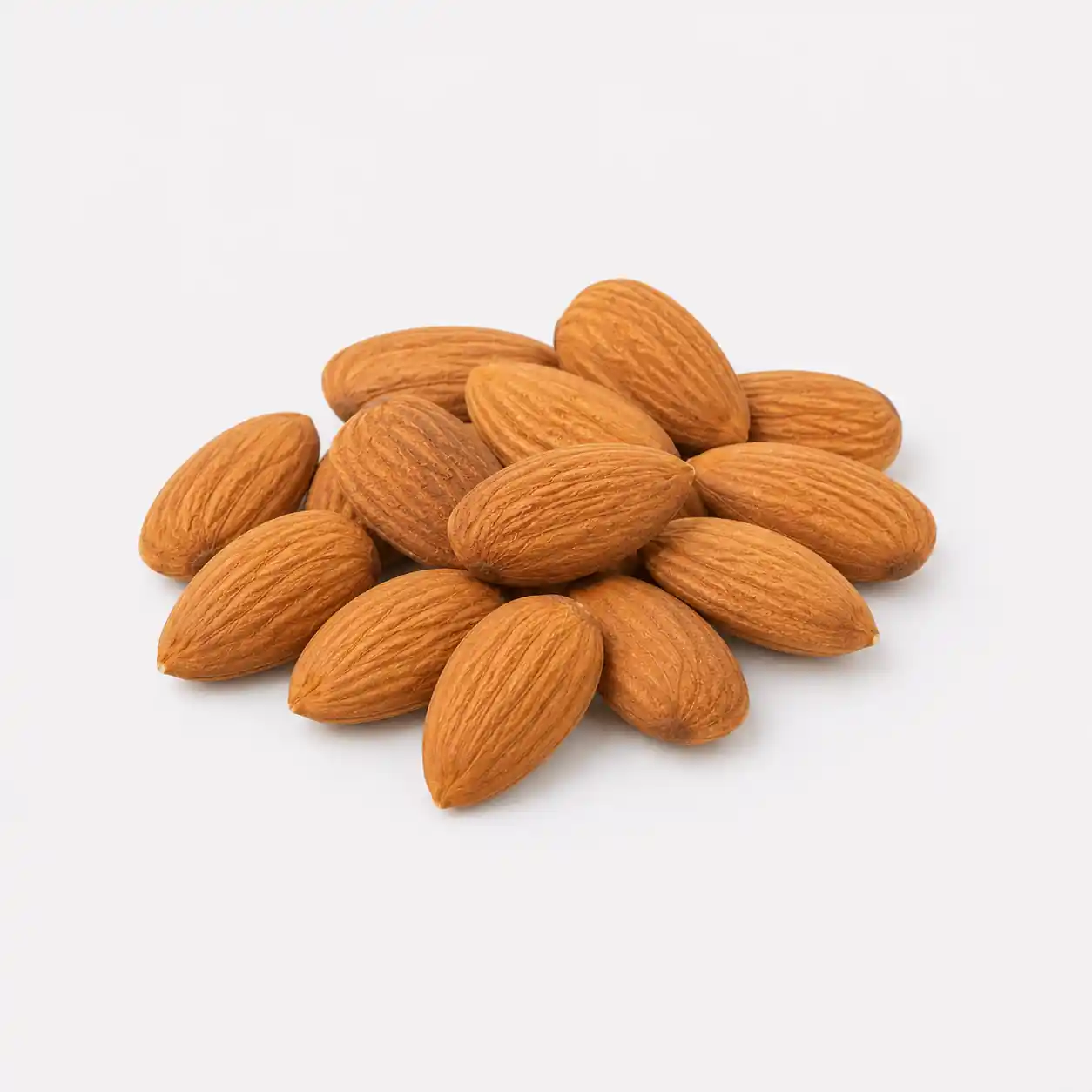
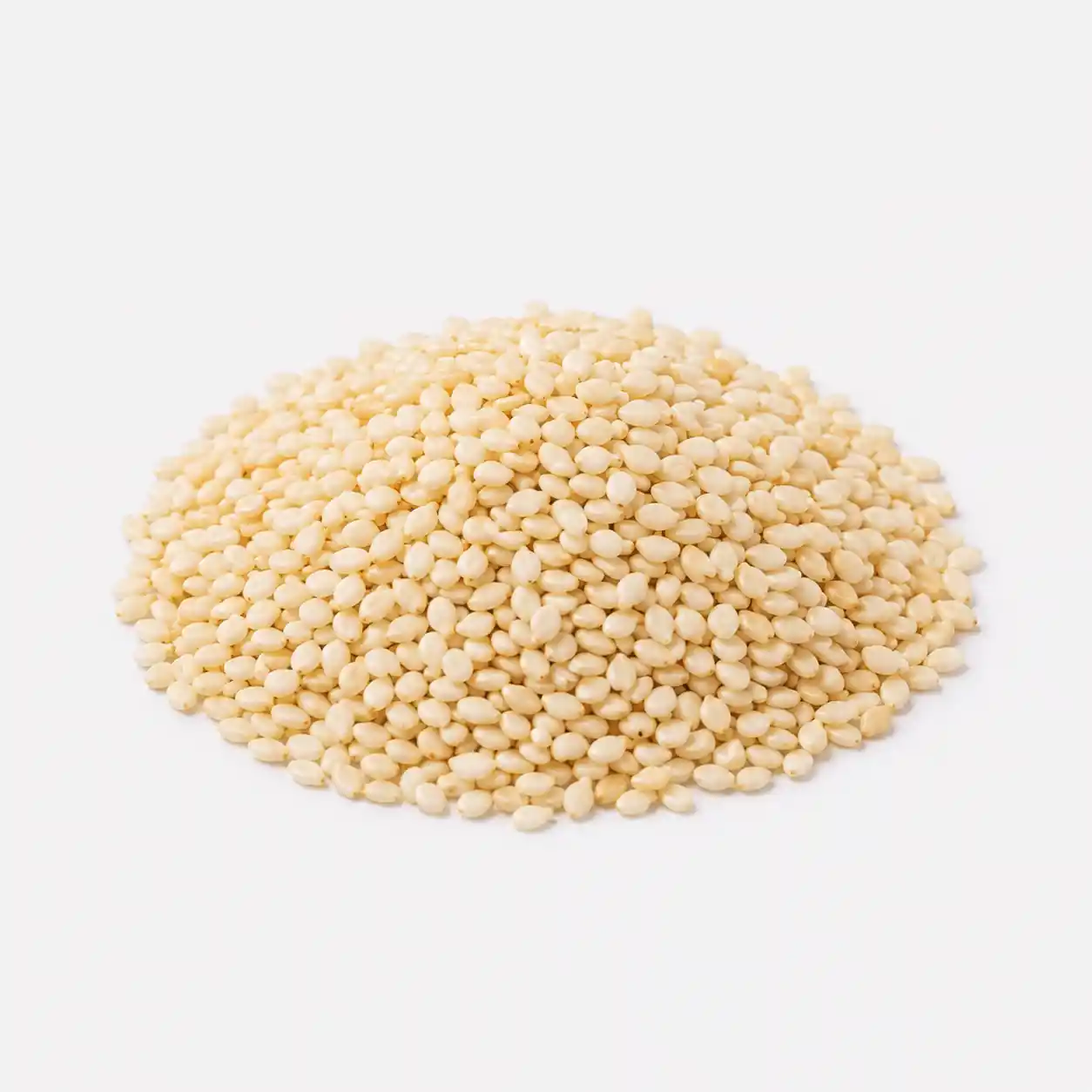
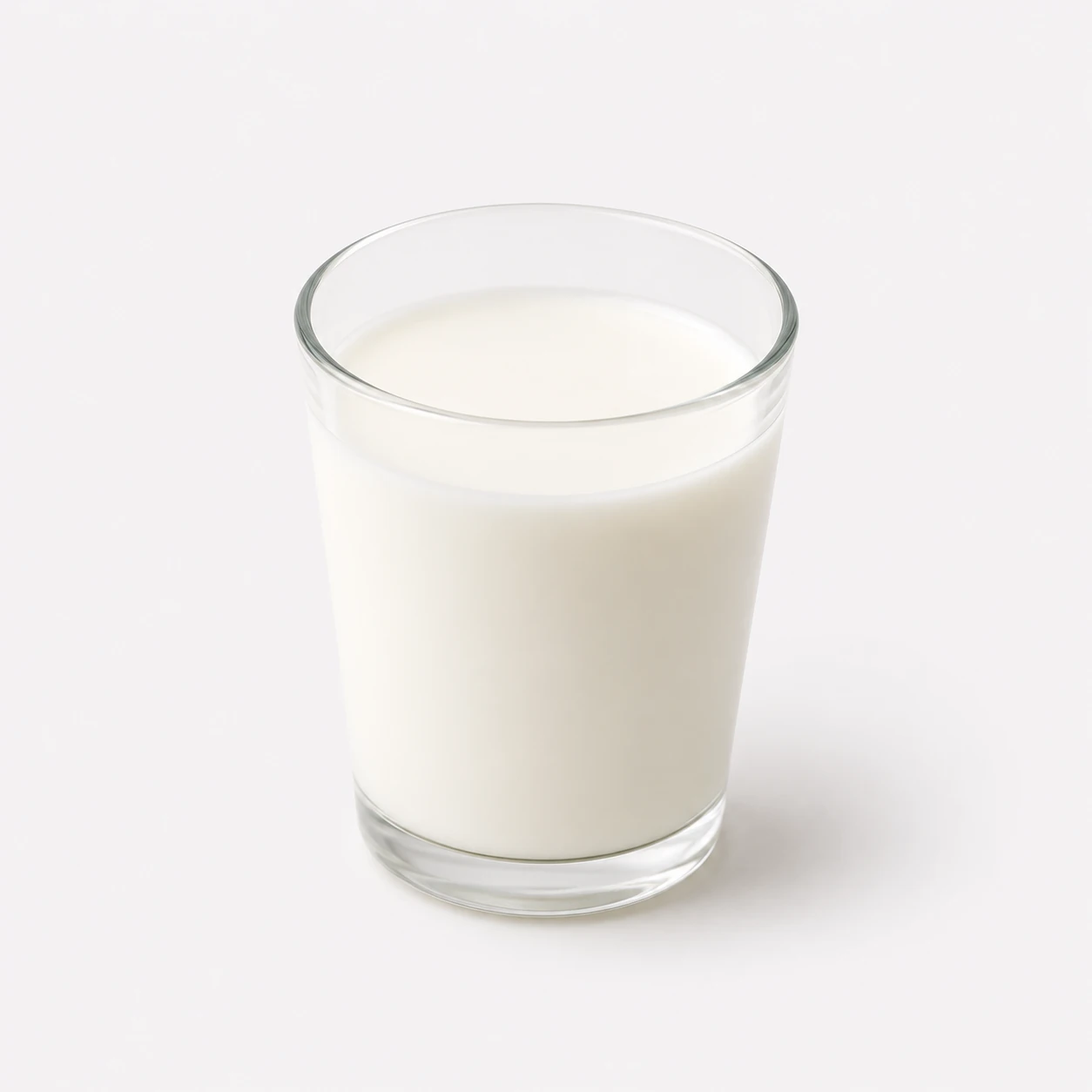
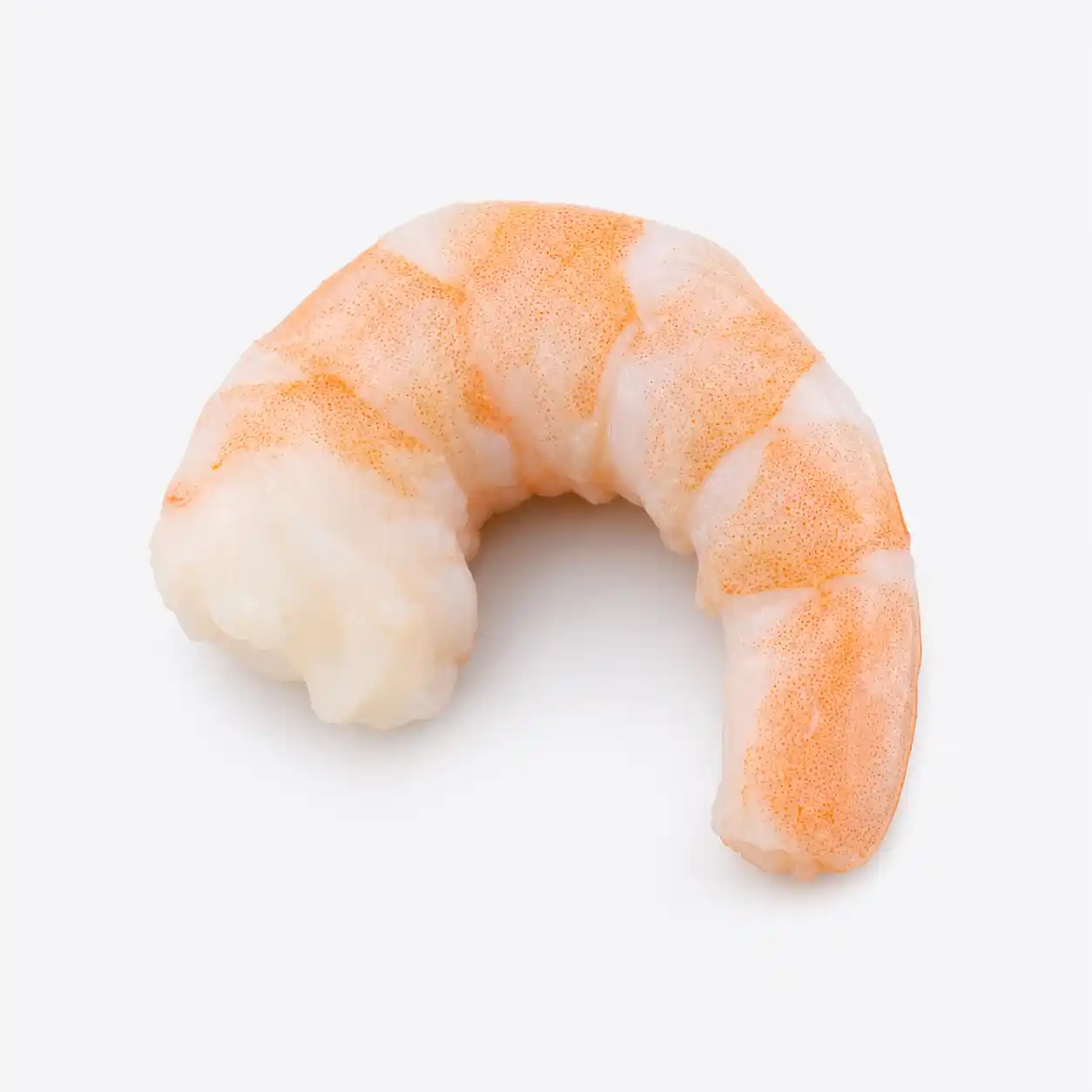
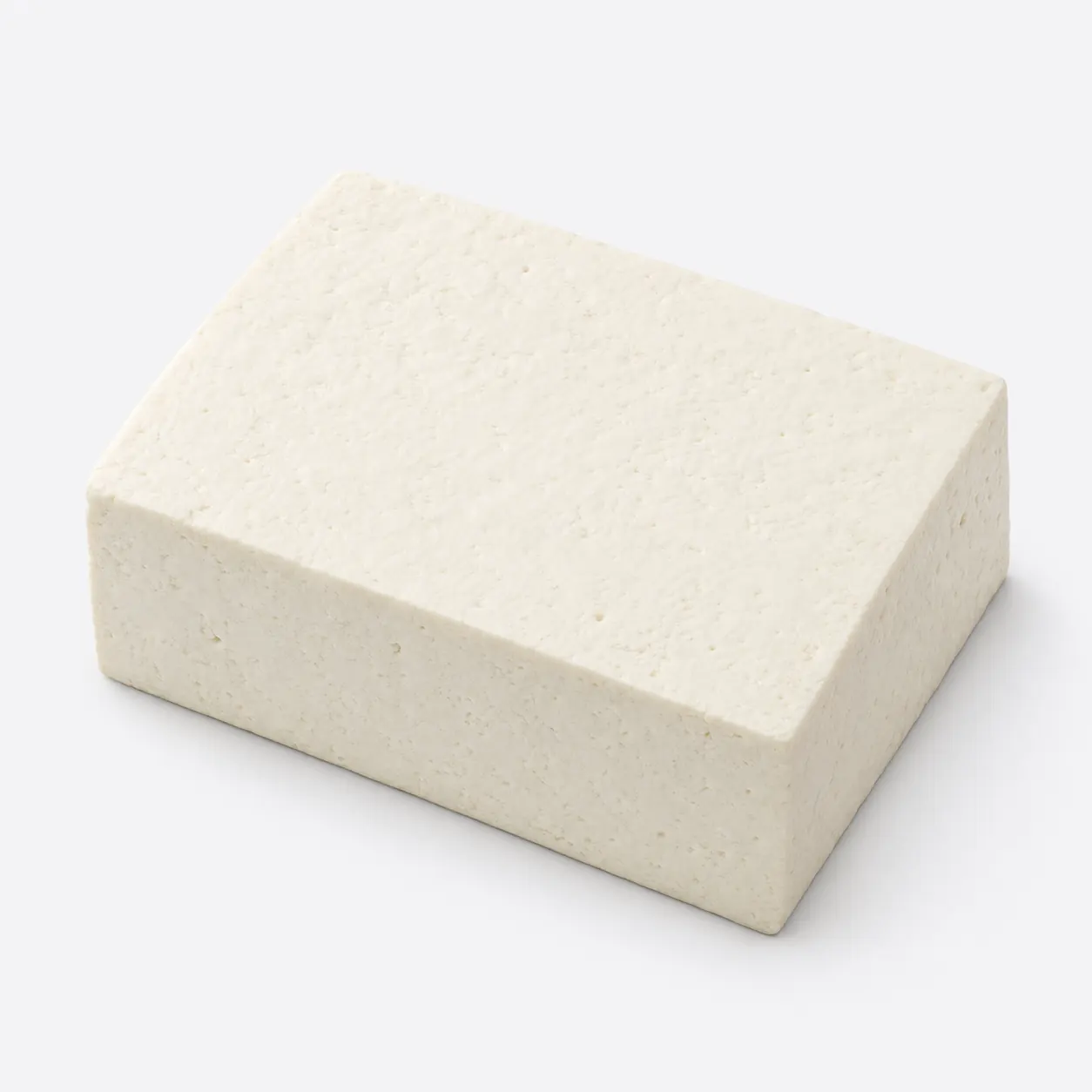
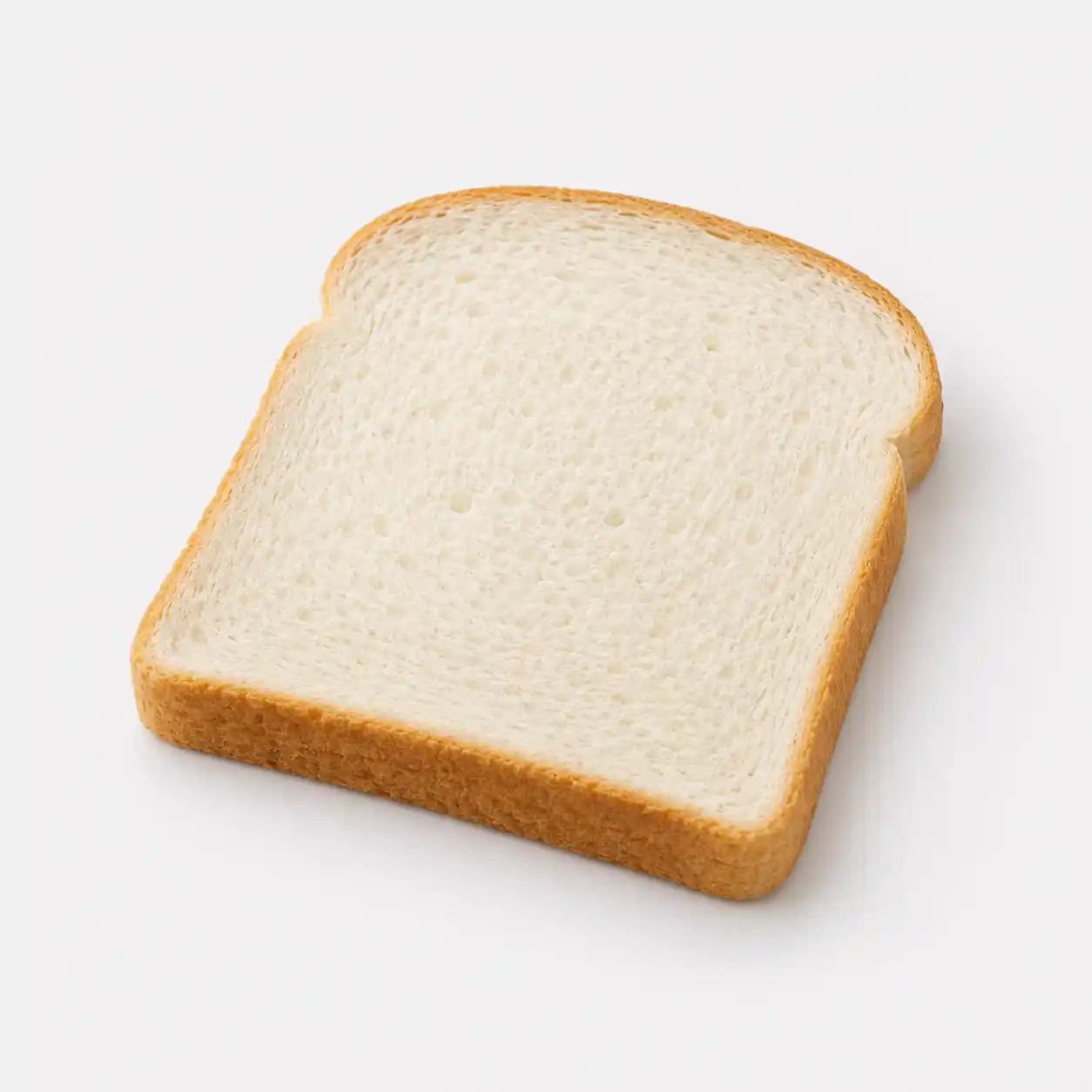
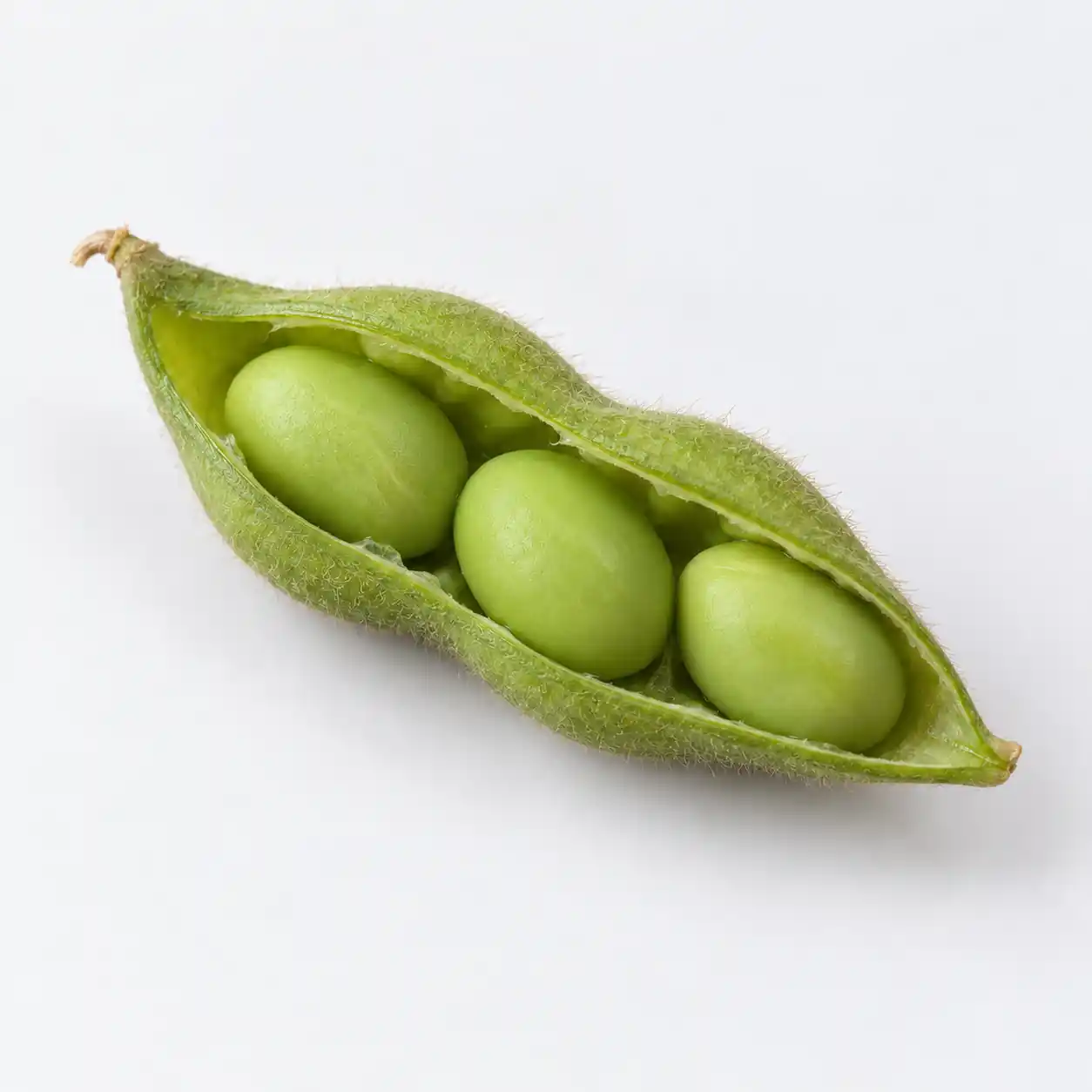
Egg, peanut, dairy, fish, shellfish, wheat, soy, sesame, and tree nuts cause most food allergies in children. Parents used to be told to delay them, but the American Academy of Pediatrics (AAP) now says the opposite: you can introduce them from 4 to 6 months, once your baby is ready for solids, and waiting may actually raise the risk of allergy.
One at a time, then regularly
Offer a new allergen on its own, apart from other new foods, and watch for a reaction. The NHS notes that reactions usually show up within minutes or up to 2 hours, and with cow’s milk sometimes up to 3 days later. If your baby tolerates the food, keep it in their diet: eating it regularly lowers the risk of allergy.
Signs of a reaction
The NHS lists swollen lips or face, red itchy eyes, coughing and wheezing, a red itchy rash, tummy pain, diarrhea, or constipation. If your baby has trouble breathing or turns floppy, call emergency services right away. If your baby has severe eczema or an existing food allergy, plan allergen introduction with your doctor.
Sources · 3
This page is based on guidance from health organizations:
For informational purposes only. Not medical advice. Decide on introducing foods, especially allergens, together with your pediatrician.