How to serve by age
6+ months
Cook pasta until completely soft, chop finely, and mash with vegetable puree or sauce if needed.
Soft pieces of pasta your baby can grab.
9+ months
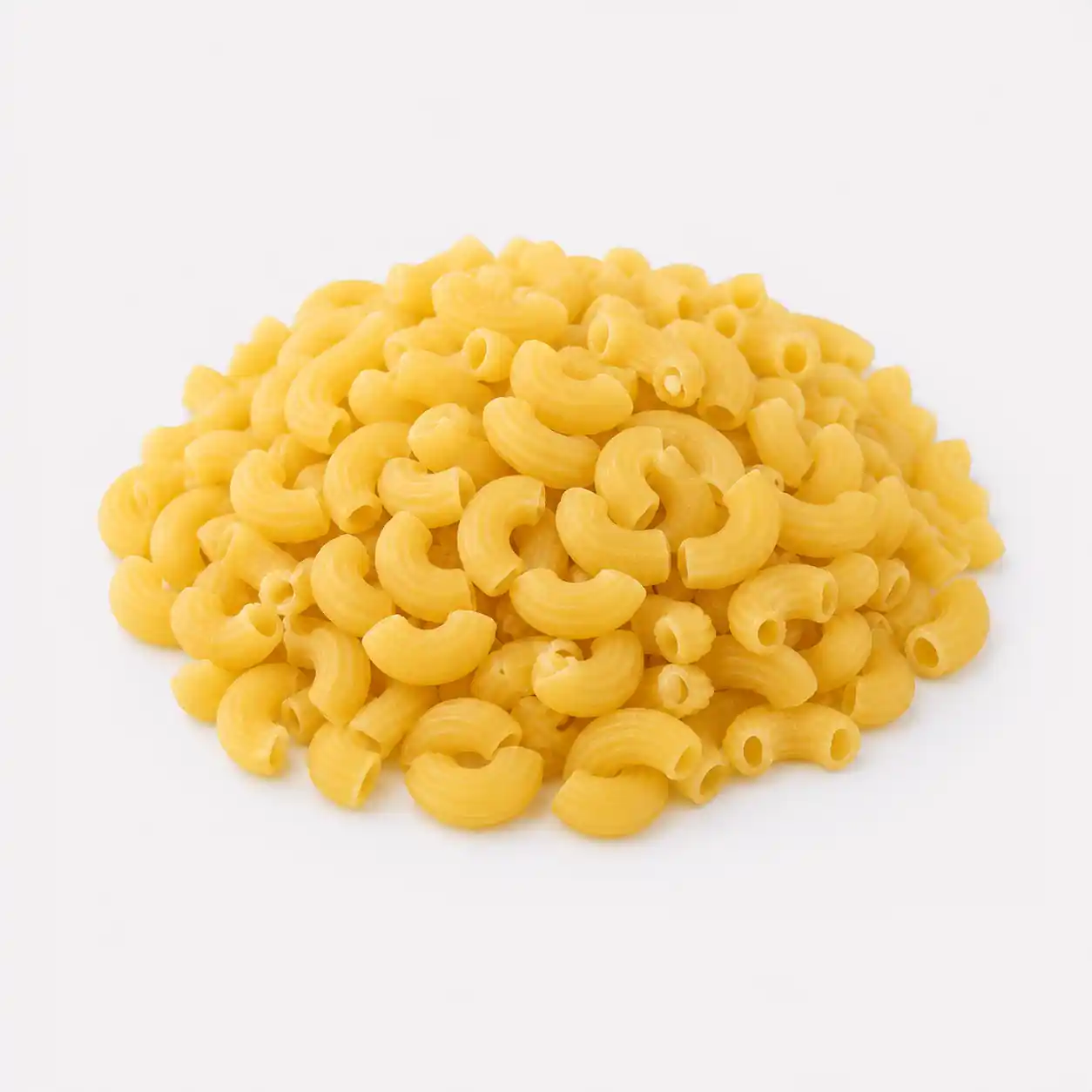
Offer soft small pasta shapes or cut-up pasta. Adjust the size to your child’s eating skills.
Pasta your baby can pick up with their hands or a spoon.
12+ months
Pasta your child can eat on their own with their hands or utensils.
Choking risk
Long, firm, or undercooked pasta can be hard for babies to swallow. Cook pasta until soft and cut it into pieces that suit your child’s age.
Keep your child sitting upright and stay with them throughout the meal.
Allergies
Wheat pasta contains wheat, one of the major food allergens.
Don’t salt the water
The NHS advises against adding salt to your baby’s food or cooking water, because too much salt isn’t good for babies. Pasta itself has almost no sodium, just 1 mg per 100 g cooked, according to USDA data. If the whole family eats from one pot, set your baby’s portion aside before you salt the dish or add sauce.
Enriched or whole wheat
100 g of cooked enriched pasta has 119 mcg of folate, about one and a half times the daily amount for babies 7 to 12 months old.
That’s USDA data; the 80 mcg target comes from the NIH. According to the NIH, in the US folic acid is added to enriched flour, bread, pasta, and rice. Whole-wheat pasta has less folate, 21 mcg, but more of other things. The NHS calls whole-wheat pasta a good source of fiber, and USDA data show it has 3.9 g of fiber versus 1.8 g, three times the magnesium (54 mg versus 18), and two and a half times the zinc (1.3 mg versus 0.5).
Fresh or dried
The NHS notes that dried pasta keeps in the cupboard for a long time, while fresh pasta needs refrigerating and doesn’t last as long.
Protein and energy
100 g of cooked pasta has 5.8 g of protein and 158 calories, according to USDA data. The NHS counts pasta among starchy foods, which provide energy, fiber, calcium, iron, and B vitamins. The NHS suggests more pasta and less sauce, without skipping the vegetables.
The same portion has 26 mcg of selenium, more than the daily amount for babies 7 to 12 months old (20 mcg, according to the NIH).
Sources · 13
This page is based on guidance from health organizations:
- WHO — Complementary feeding
- CDC — When, What, and How to Introduce Solid Foods
- NHS — Your baby's first solid foods
- CDC — Infant and Toddler Nutrition
- AAP — Starting Solid Foods
- AAAAI — Food Allergy
- NHS — Food allergies in babies and young children
- NHS — Foods to avoid giving babies and young children
- USDA FoodData Central — Pasta, cooked, enriched, without added salt
- USDA FoodData Central — Pasta, whole-wheat, cooked
- NIH ODS — Folate
- NHS — Starchy foods and carbohydrates
- NIH ODS — Selenium
For informational purposes only. Not medical advice. Decide on introducing foods, especially allergens, together with your pediatrician.