How to serve farmer cheese (cow’s milk) at 6 and 9 months
Ages are approximate; go by your baby’s skills.
Ages are approximate; go by your baby’s skills.
6+ months
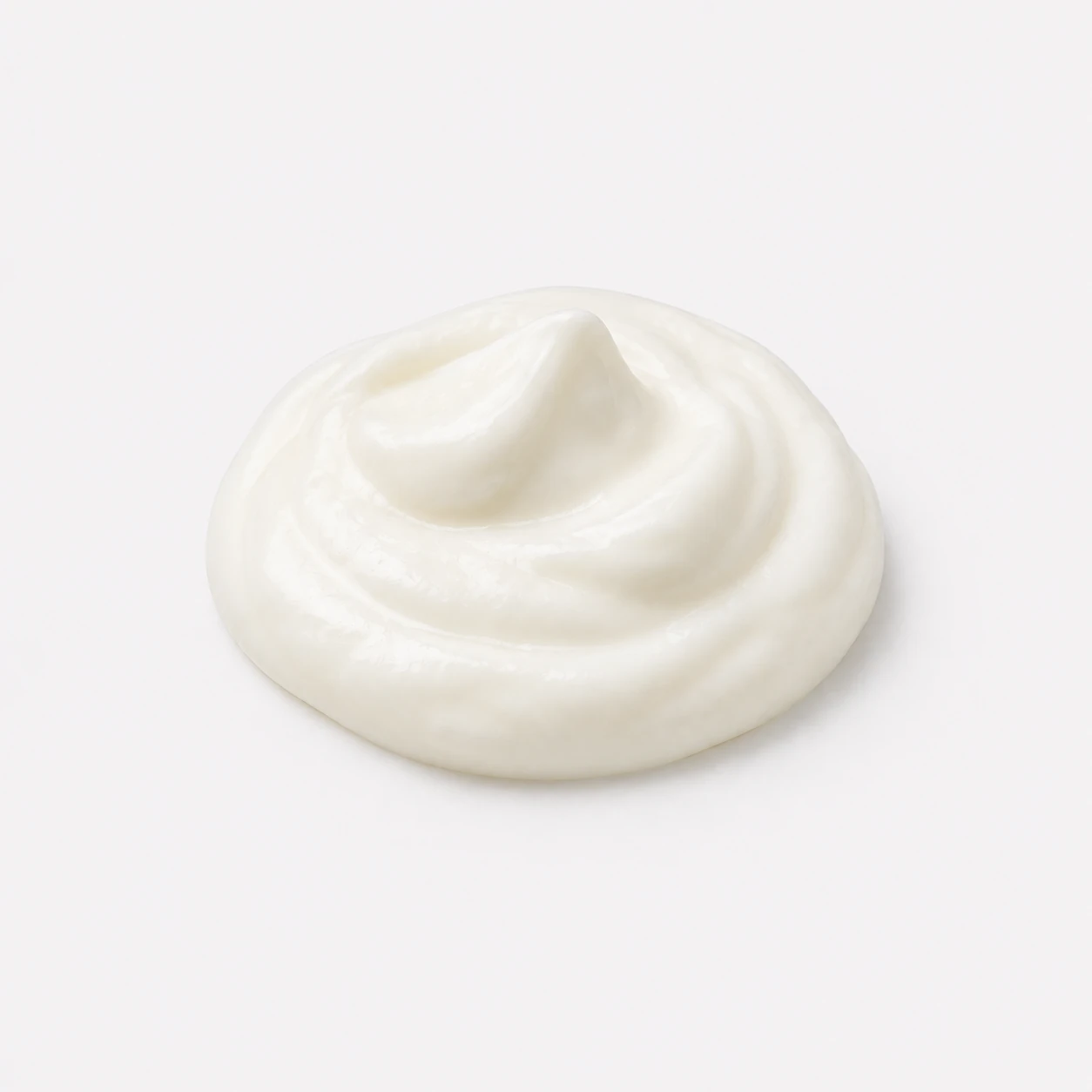
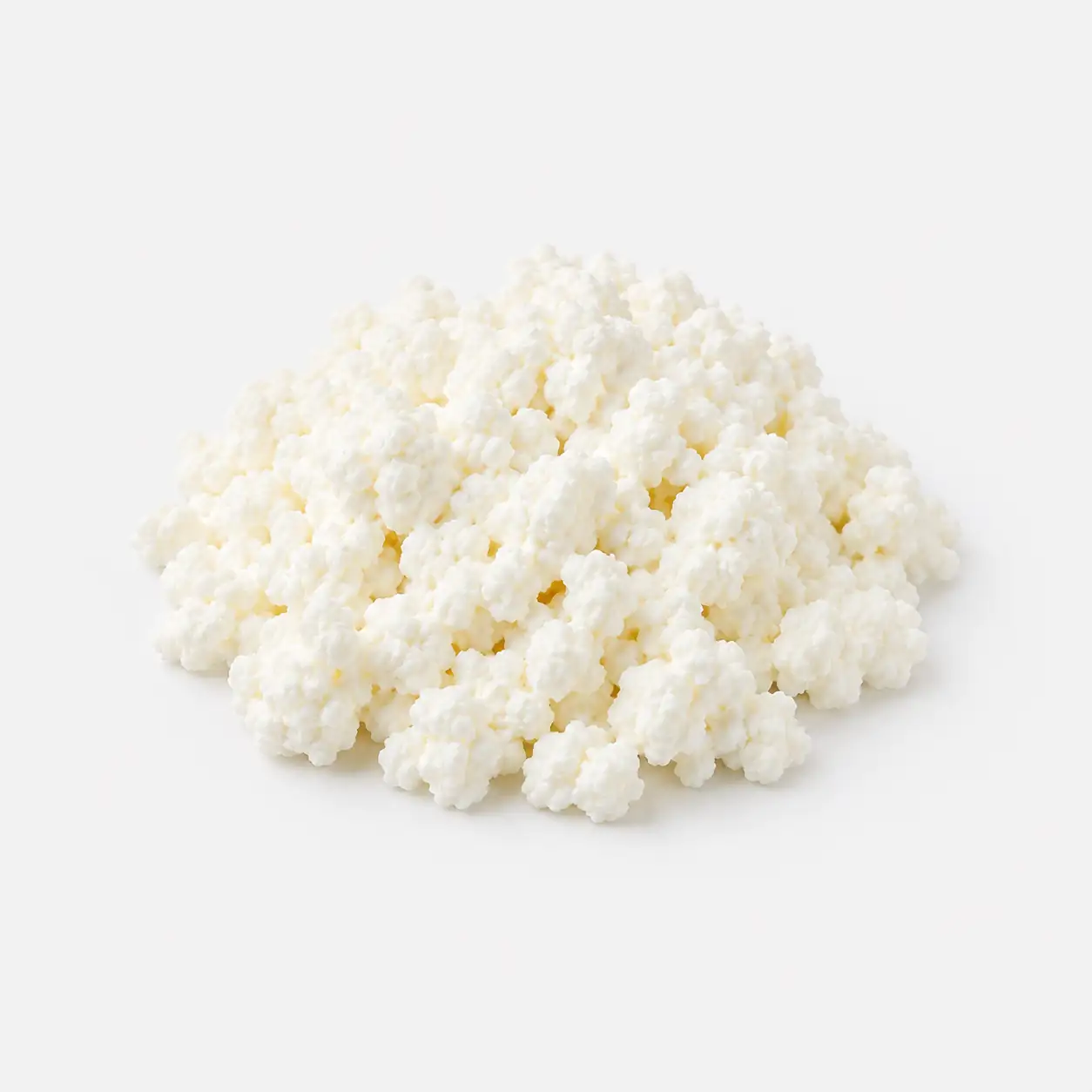
Choose farmer cheese made from pasteurized milk with no added sugar or salt. Mash any dense parts with a fork; mix dry farmer cheese with a little plain yogurt. Serve it on its own or with mashed fruit. You can leave soft curds if your baby manages that texture.
Offer soft farmer cheese on a pre-loaded spoon. Another option is a fully cooked soft farmer cheese bake or farmer cheese pancakes with no hard crust: cut them into long strips so part of each strip sticks out of your baby’s fist. They should squish easily between your fingers, with no dry, dense center.
9+ months
If your baby manages soft pieces, offer small soft pieces of fully cooked farmer cheese bake or pancakes with no hard crust. There’s no need to mash them; dry, dense versions aren’t suitable.
Once your baby has developed a pincer grasp, offer small soft pieces of farmer cheese bake or pancakes with no hard crust. You can keep offering farmer cheese on a pre-loaded spoon.
Choking risk
Farmer cheese is soft, but large dense curds can be hard to swallow. For babies, choose a soft farmer cheese and mash it more if needed to make it smoother.
Keep your child sitting upright and stay with them throughout the meal.
Allergies
Cow’s milk protein is one of the major food allergens. A reaction can happen even the first time your baby tries it.
Farmer cheese, cottage cheese, and ricotta
All three are made from milk, but they aren’t the same. According to USDA data, 100 g of cottage cheese has 11 g of protein, while whole-milk ricotta has 7.5 g. Ricotta has more calcium, though: 206 mg versus 83 mg.
Watch the salt
100 g of cottage cheese has 315 mg of sodium, almost 7 times as much as plain yogurt.
That’s from USDA data: whole-milk plain yogurt has 46 mg of sodium per 100 g, and ricotta has 110 mg. Cottage cheese is salted during production, so for babies under 1, choose an unsalted farmer cheese and compare labels.
Vitamin B12 and selenium
100 g of cottage cheese has 0.43 mcg of vitamin B12, according to USDA data, nearly the full daily amount for babies 7 to 12 months old (0.5 mcg, according to the NIH). B12 keeps blood and nerve cells healthy, helps make DNA, and helps prevent one type of anemia.
The same portion has 9.7 mcg of selenium, about half the daily amount (20 mcg). According to the NIH, the thyroid needs selenium to make hormones, and selenium is also needed to make DNA and helps protect cells.
Homemade cheese and raw milk
Cheese made from unpasteurized milk isn’t safe for babies. The FDA warns that raw milk can carry Listeria, Salmonella, and E. coli, that children are more vulnerable to them than adults, and that cheese made from raw milk carries the same risk. Pasteurization kills these bacteria without a meaningful effect on nutrition. The NHS also advises against cheese made from unpasteurized milk for young children and suggests checking the label.
If you make farmer cheese at home, use pasteurized milk only.
Sources · 13
This page is based on guidance from health organizations:
- NHS — Foods to avoid giving babies and young children
- CDC — Cow's Milk and Milk Alternatives
- USDA FoodData Central — Cheese, cottage, creamed, large or small curd
- NHS — Dairy and alternatives in your diet
- AAP — When Can Babies Start Solid Foods?
- AAAAI — Food Allergy
- NHS — Food allergies in babies and young children
- USDA FoodData Central — Cheese, ricotta, whole milk
- USDA FoodData Central — Yogurt, plain, whole milk
- FDA — Raw Milk Misconceptions and the Danger of Raw Milk Consumption
- NHS — What to feed young children
- NIH ODS — Vitamin B12
- NIH ODS — Selenium
For informational purposes only. Not medical advice. Decide on introducing foods, especially allergens, together with your pediatrician.