How to serve by age
6+ months
Mash thoroughly cooked, shelled beans into a smooth or thick, soft puree.
Offer a thick puree of thoroughly cooked, shelled beans on a preloaded spoon.
9+ and 12+ months
You can leave more texture, but flatten every bean first. Do not add salt.
Offer soft, well-flattened beans mixed into a familiar soft food your child can hold. Do not serve whole round beans.
Choking risk
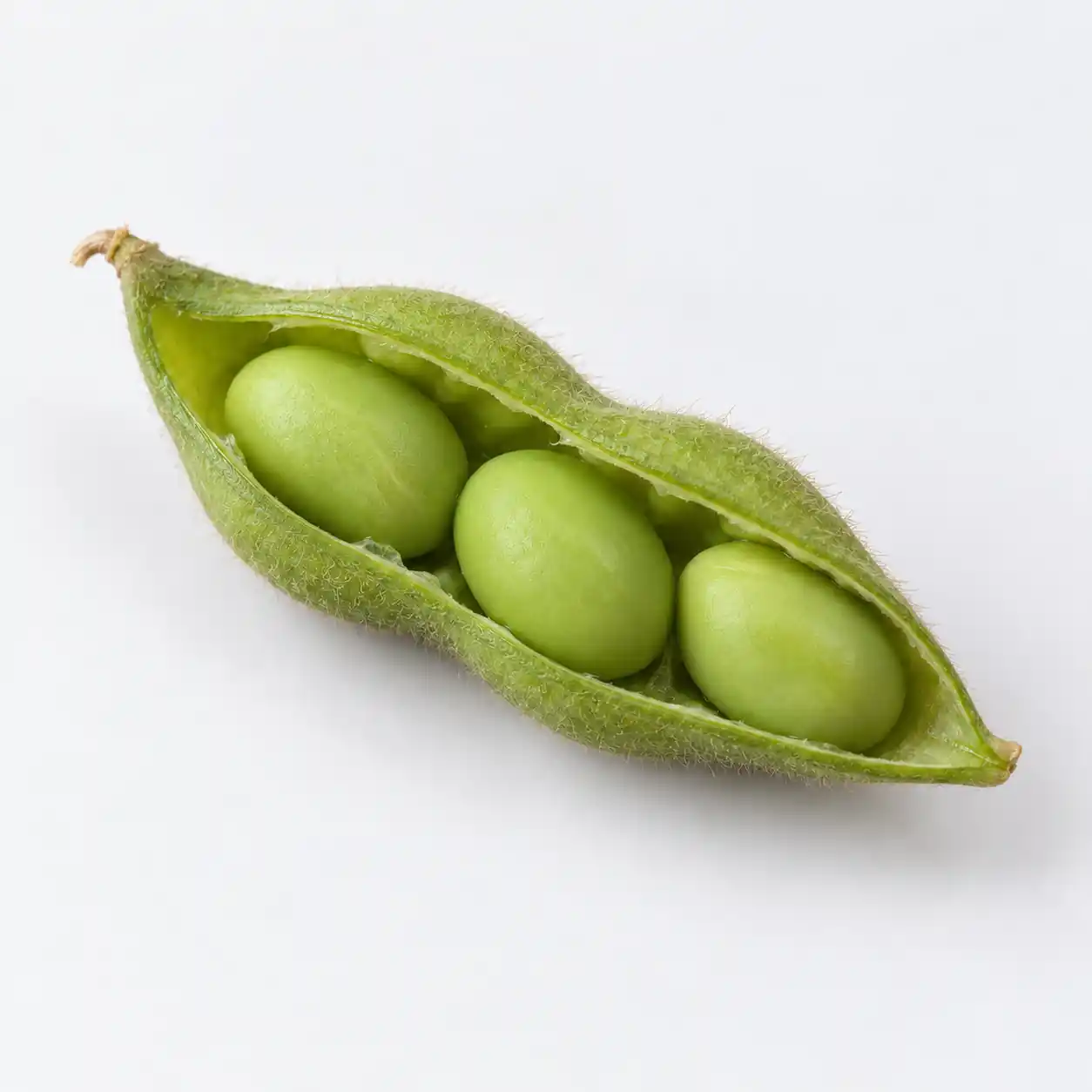
Whole beans can be a choking hazard because of their rounded shape. Mash or flatten well-cooked beans; do not offer the pods.
Keep your child sitting upright and stay with them throughout the meal.
Allergies
Edamame contain soy, a food allergen. When introducing soy, offer it separately in a small amount so you can spot a reaction. Do not offer edamame to a child with a confirmed soy allergy.
A folate powerhouse
100 g of cooked edamame has 311 mcg of folate, almost four times the daily amount for babies 7 to 12 months old.
That's USDA data for frozen edamame after cooking; the 80 mcg target comes from the NIH. Folate is a B vitamin. The NIH explains that the body needs it to make DNA and for cells to divide, and a fast-growing baby's cells are dividing all the time. The NIH lists beans and peas among natural sources of folate.
Protein and fiber
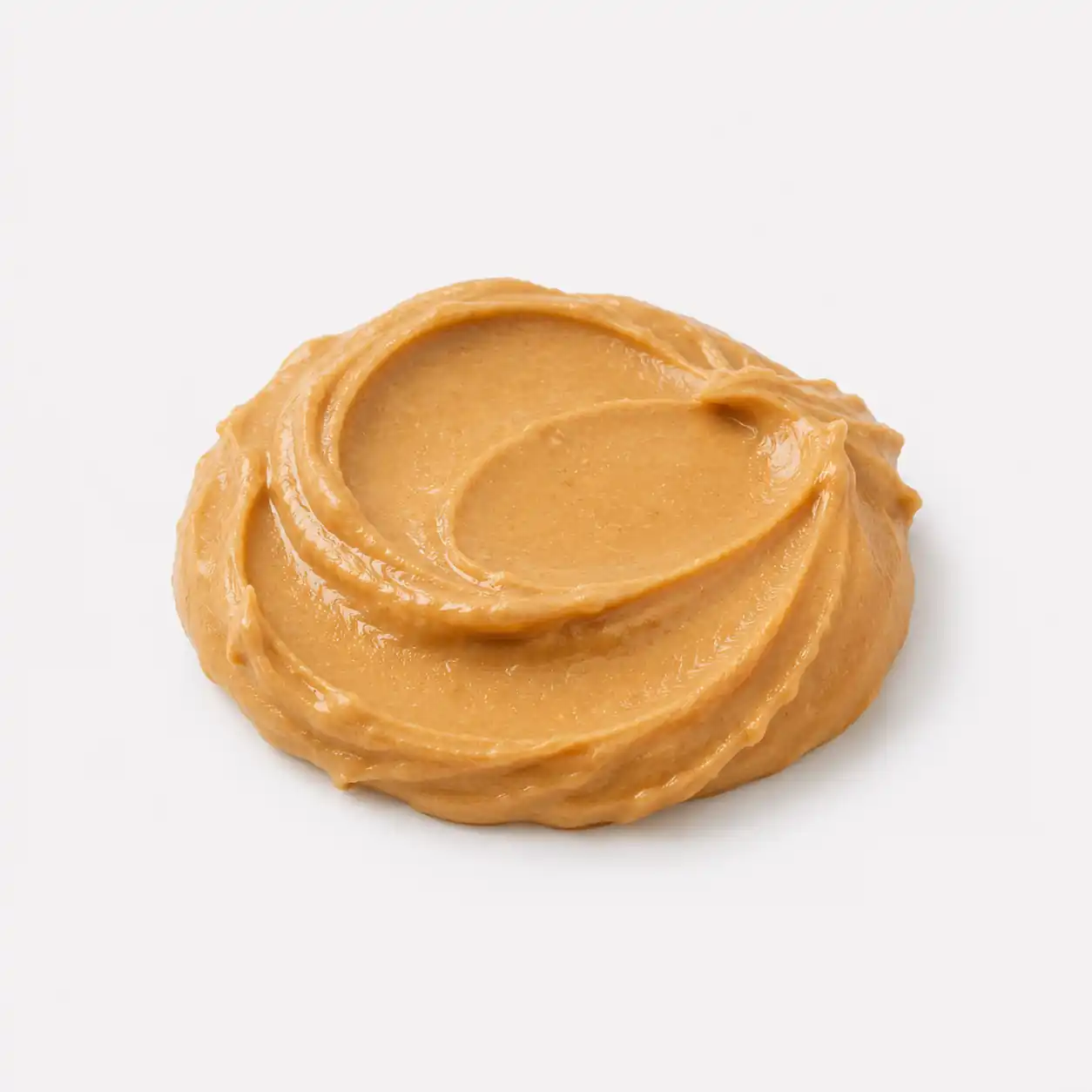
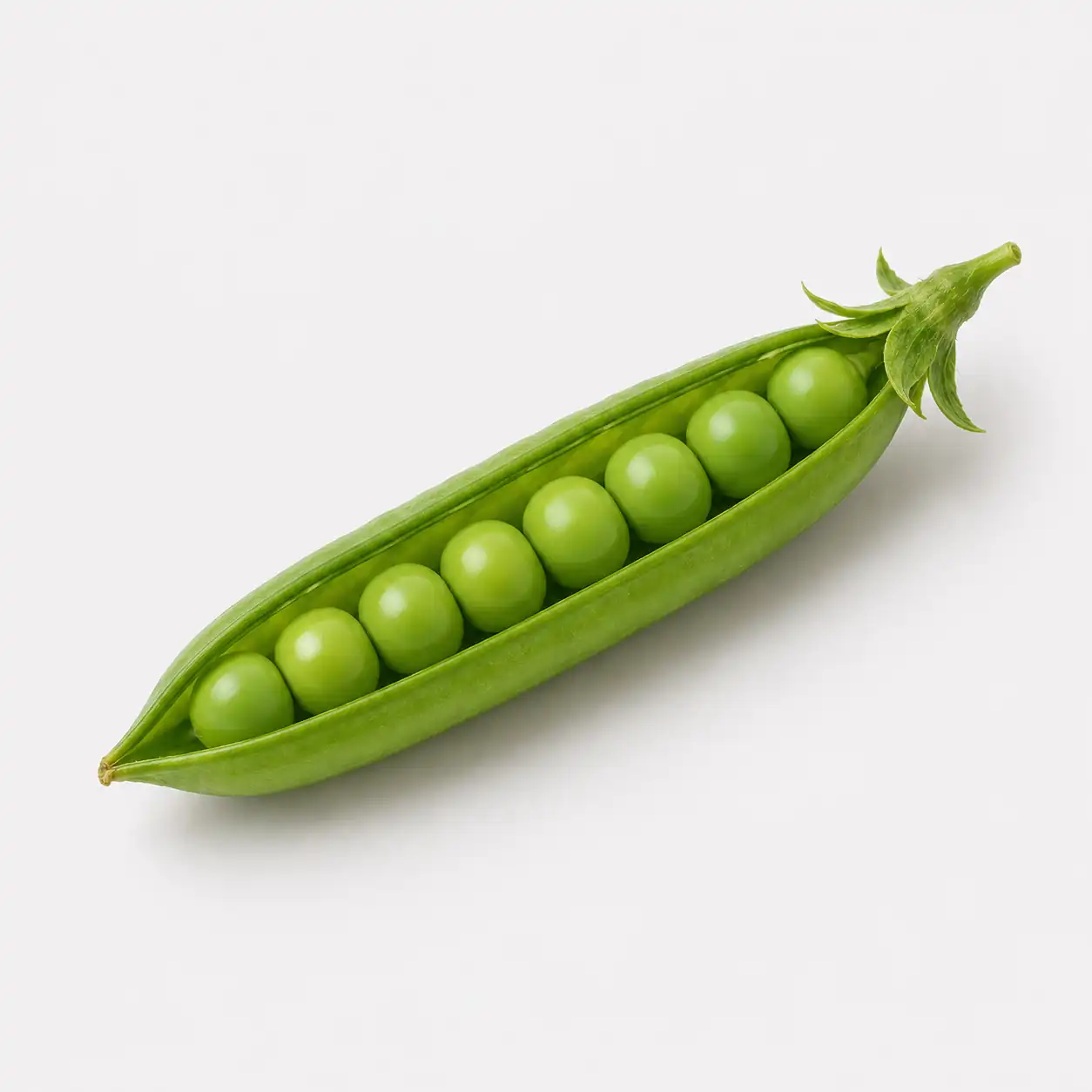
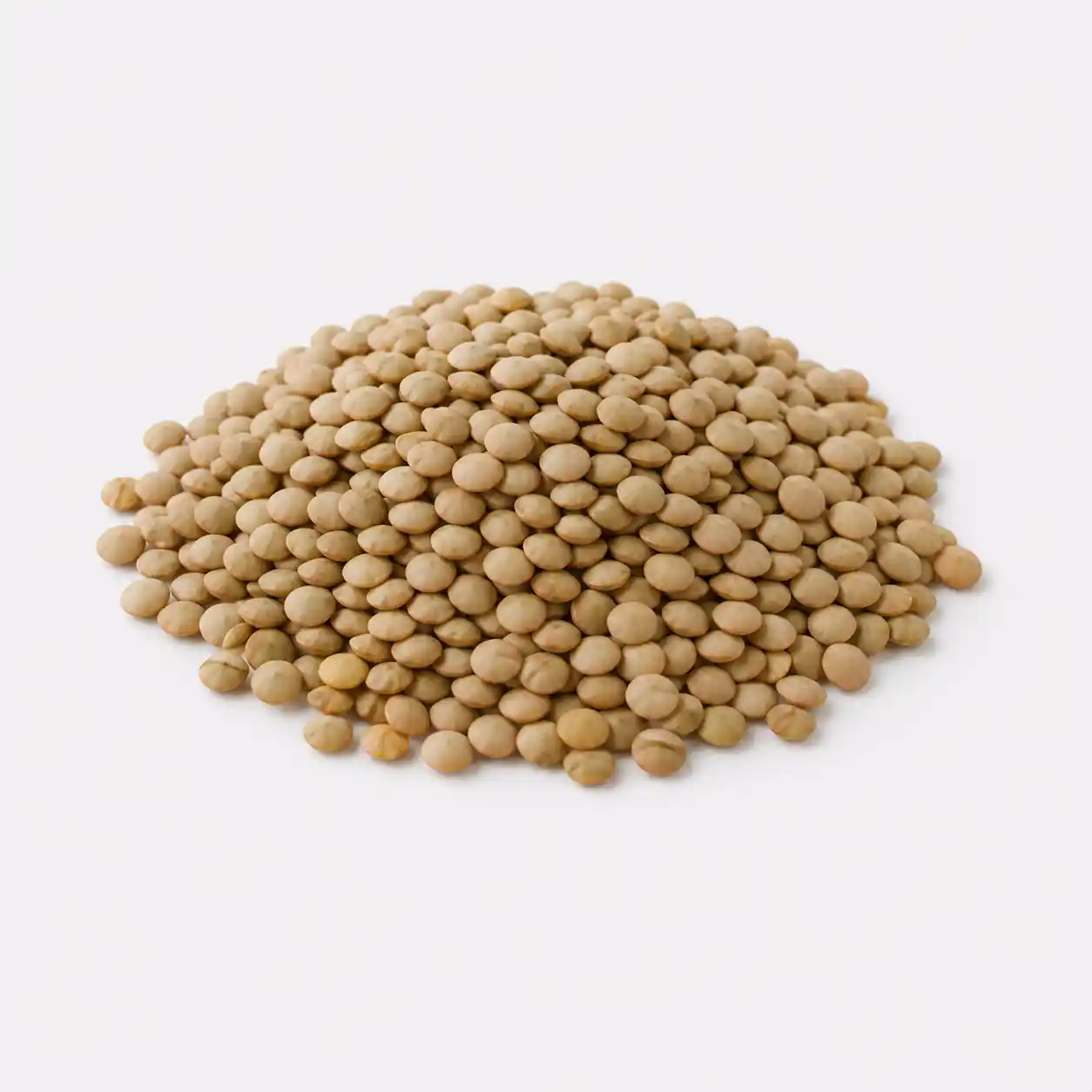
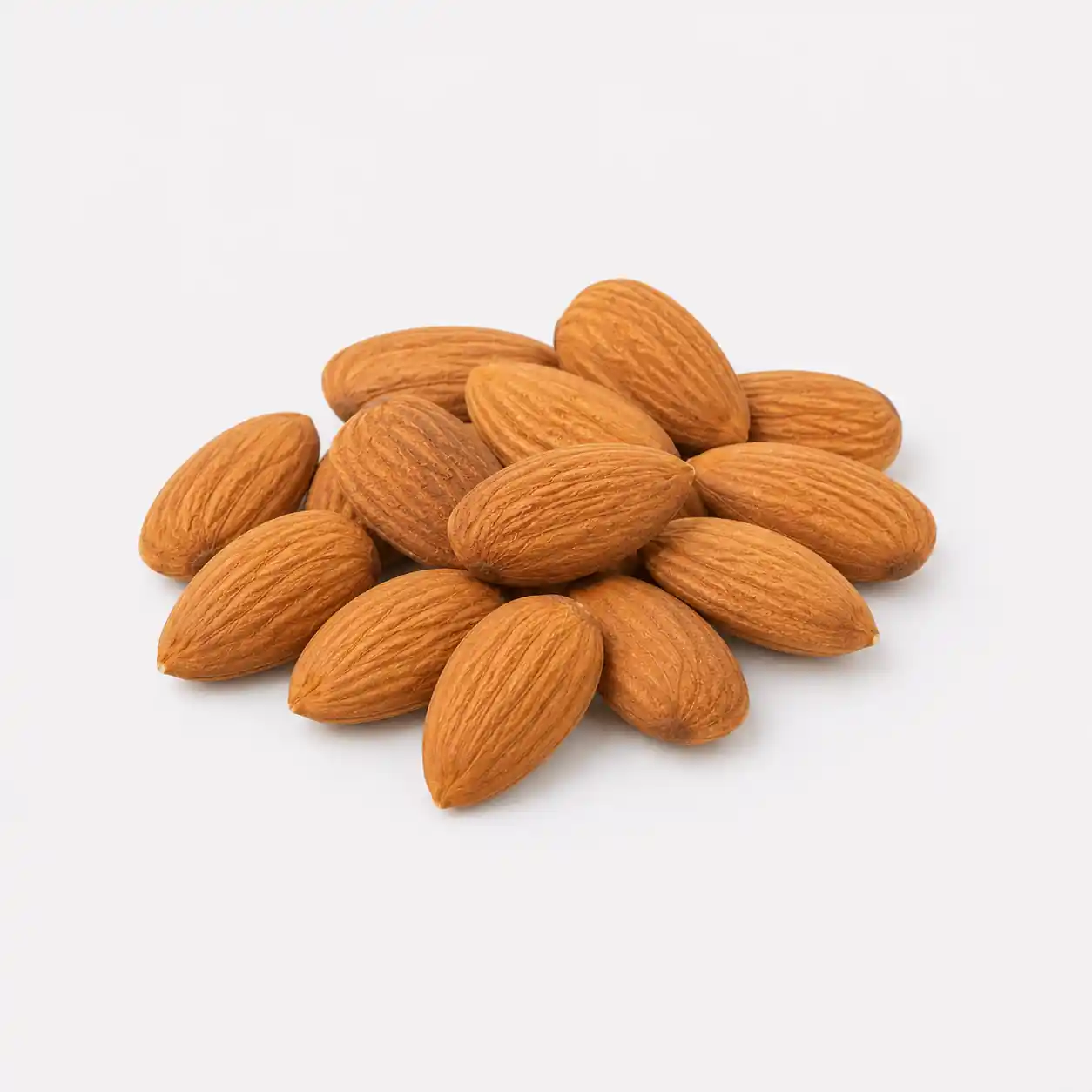
100 g of cooked edamame has 11.9 g of protein, more than twice as much as green peas, plus 5.2 g of fiber, for 121 calories. The American Academy of Pediatrics (AAP) names beans, tofu, lentils and nuts as plant proteins that make a filling meal when a family skips meat now and then. Edamame is the same soy as tofu, just picked young and eaten as whole beans.
Salted edamame
Restaurants and ready-made snacks usually serve edamame sprinkled with salt. According to the USDA, 100 g of green soybeans boiled with salt has 250 mg of sodium, compared with 14 mg when boiled without salt, almost 18 times less. The NHS reminds parents that too much salt isn't good for a baby's kidneys and advises against salting a baby's food or the water it's cooked in. Cook edamame for your baby yourself, unsalted, and don't share your restaurant portion.
Magnesium, iron and vitamin K
The same portion has 64 mg of magnesium, more than four-fifths of the daily amount for babies 7 to 12 months old (75 mg), 2.3 mg of iron, about a fifth of their need (11 mg), and 26.7 mcg of vitamin K, ten times the daily amount (2.5 mcg). That's USDA and NIH data. According to the NIH, magnesium supports muscle and nerve function and helps the body make protein, bone and DNA.
Sources · 16
This page is based on guidance from health organizations:
- University of Minnesota Extension — Growing beans in home gardens
- NHS — Food allergies
- WHO — Complementary feeding
- NHS — Preparing food safely
- CDC — Choking Hazards
- ACAAI — Soy Allergy
- USDA FoodData Central — Edamame, frozen, prepared
- NIH ODS — Folate
- USDA FoodData Central — Peas, green, frozen, cooked, boiled, without salt
- AAP — Plant-Based Diets
- USDA FoodData Central — Soybeans, green, cooked, boiled, drained, with salt
- USDA FoodData Central — Soybeans, green, cooked, boiled, drained, without salt
- NHS — Foods to avoid giving babies and young children
- NIH ODS — Magnesium
- NIH ODS — Iron
- NIH ODS — Vitamin K
For informational purposes only. Not medical advice. Decide on introducing foods, especially allergens, together with your pediatrician.