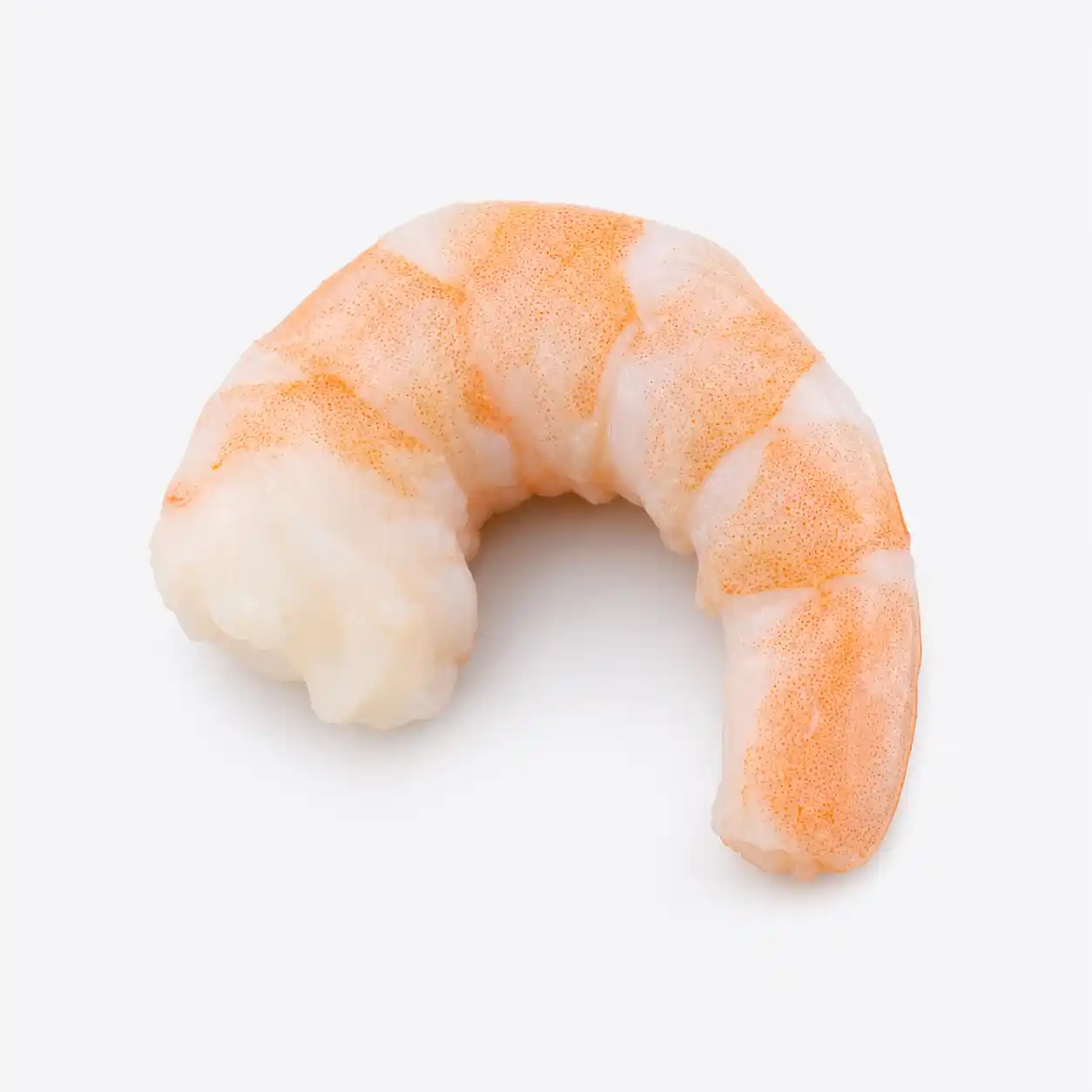
How to serve by age
6+ months
Fully cook the shrimp and remove the shell and tail. Mince the flesh very finely and mix into vegetable puree or another soft dish. Offer on a spoon or give your baby a pre-loaded spoon for self-feeding.
9+ months
Leave small bits of shrimp in soft food if your baby can manage that texture. Don’t offer whole shrimp or large, rubbery pieces.
Choking risk
Whole shrimp are firm and springy and can be a choking hazard. Remove the whole shell and tail, cook shrimp thoroughly, and mince or mash it finely.
Keep your child sitting upright and stay with them throughout the meal.
Allergies
Shrimp is a shellfish and a common food allergen. Introduce it on its own and in a small amount so any reaction is easy to spot.
Low in mercury
The FDA puts shrimp on its Best Choices list, the seafood lowest in mercury. Shrimp is also on a shorter list of fish and shellfish even lower in mercury that the Dietary Guidelines for Americans point to for children who eat seafood more often.
Protein and zinc
100 g of cooked shrimp has 24 g of protein.
That’s USDA data. The same portion has 1.6 mg of zinc, more than half the daily need for children 7 to 24 months old (3 mg, according to the CDC), and 70 mg of calcium. Shrimp has almost no fat, 0.3 g per 100 g. The NIH names shrimp among seafood rich in iodine.
What to know about shrimp allergy
The American Academy of Allergy, Asthma & Immunology (AAAAI) notes that shellfish allergy is more common in adults than in children: young children don’t usually eat shellfish, so the allergy may not show up until later. Someone allergic to shrimp may also be allergic to crab, lobster, and other crustaceans.
The AAAAI also busts a common myth: shellfish allergy has nothing to do with iodine. Iodine isn’t an allergen; proteins cause the reaction. A person with a shrimp allergy can most likely have imaging tests with iodine contrast, unless they have a separate allergy to it.
Only well cooked
The CDC says most cases of vibriosis, a gut infection caused by Vibrio bacteria, come from eating raw or undercooked shellfish, especially oysters. The NHS advises against raw or lightly cooked shellfish for babies because it raises the risk of food poisoning.
Sources · 10
This page is based on guidance from health organizations:
For informational purposes only. Not medical advice. Decide on introducing foods, especially allergens, together with your pediatrician.