How to serve peanut butter at 6 and 9 months
Ages are approximate; go by your baby’s skills.
6+ months
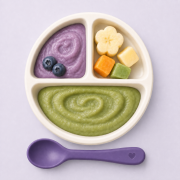
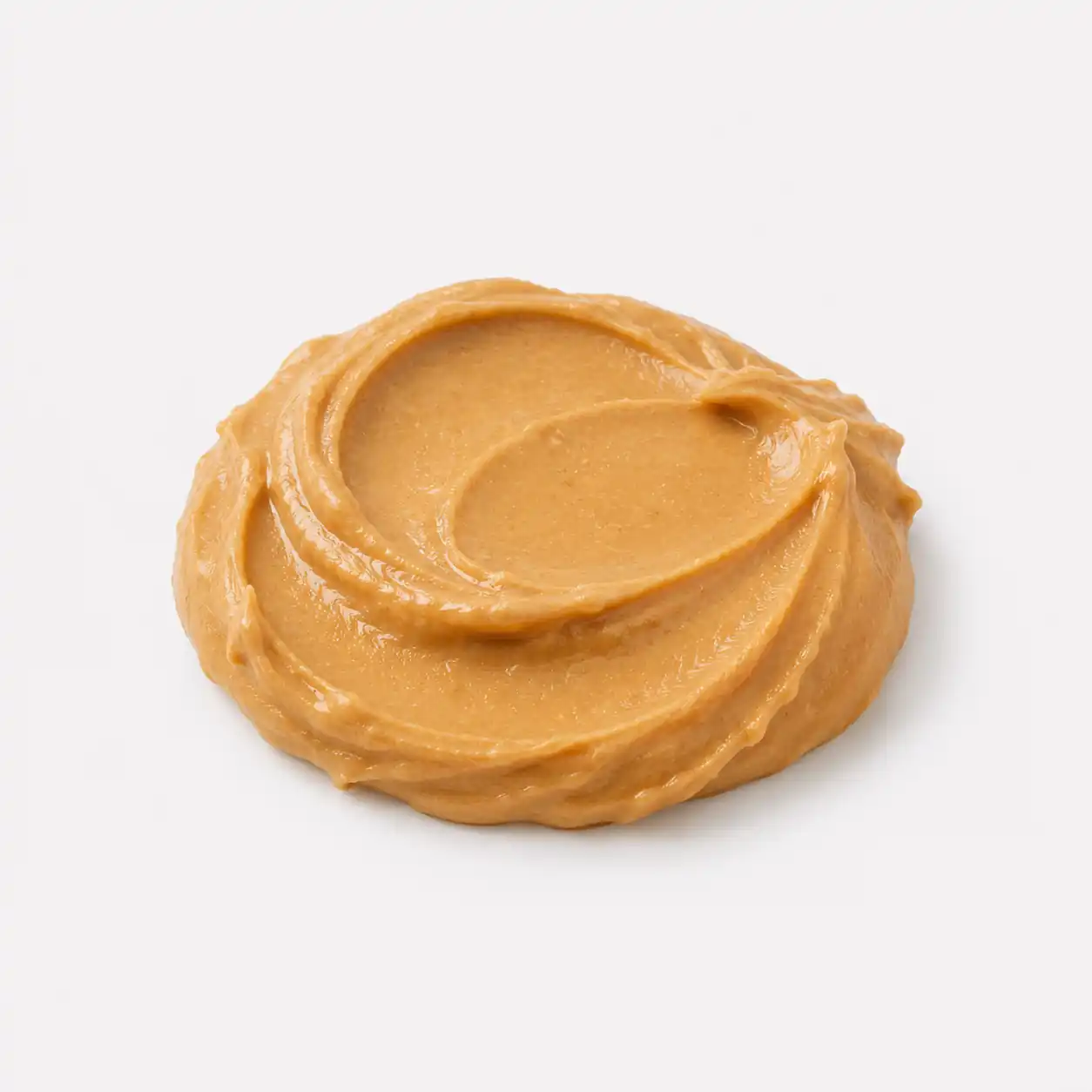
Choose smooth peanut butter with no peanut pieces, added salt, or sugar. Mix a small amount thoroughly into cereal, puree, or plain yogurt until soft and not sticky. Don’t offer thick peanut butter on its own.
Choose smooth peanut butter with no peanut pieces, added salt, or sugar. Spread it in a very thin layer on a strip of lightly toasted bread or add it to batter for soft, fully cooked pancakes. Offer the pancakes in long strips that stick out of the fist. Don’t offer a thick, sticky layer or thick peanut butter on its own.
9+ months
Once your baby has a pincer grasp, offer small soft pieces of pancakes with peanut butter.
Choking risk
Thick peanut butter can be a choking hazard for babies and young children.
To lower the risk:
- thin peanut butter with water, breast milk, formula, or puree;
- don’t offer thick peanut butter straight from a spoon;
- avoid whole peanuts and large nut pieces.
Keep your child sitting upright and stay with them throughout the meal.
Allergies
Peanut is a common food allergen.
Introduce new foods gradually and watch for any reaction.
Why peanut comes early
For years, parents were told to hold off on peanut. The LEAP study showed the opposite: high-risk babies who ate peanut foods regularly from early on were 81% less likely to develop a peanut allergy. That research shaped the 2017 guidelines from the National Institute of Allergy and Infectious Diseases (NIAID).
Three groups of babies
The NIAID guidelines sort babies by risk:
- severe eczema or egg allergy: peanut can start as early as 4 to 6 months, but make a plan with your doctor first, since testing is sometimes done beforehand;
- mild to moderate eczema: introduce peanut foods around 6 months, no testing needed;
- no eczema or food allergy: introduce peanut along with other solids whenever it suits your family.
Advice on testing has been refined over time, so if your baby has severe eczema, decide together with your pediatrician.
How much peanut
2 teaspoons of peanut butter have about 2 g of peanut protein. The weekly goal is 6 to 7 g over 3 or more feedings.
That’s the NIAID target. To keep it from being thick, stir 2 to 3 teaspoons of hot water into 2 teaspoons of peanut butter until smooth, then let it cool. You can mix it into cereal or a puree.
A lot of energy in a small amount
According to USDA data, 100 g of unsalted peanut butter has 598 calories, 22 g of protein, and 51 g of fat. So even a few teaspoons stirred into cereal or a puree add noticeable energy and protein to a meal.
Choosing peanut butter
Pick a smooth one: the bits in crunchy peanut butter are a choking risk, just like whole nuts. Check the label too. According to USDA data, 100 g of salted peanut butter has 426 mg of sodium, while unsalted has 17 mg. For your baby, choose one with no added salt or sugar, made from peanuts only.
Sources · 9
This page is based on guidance from health organizations:
- NHS — Foods to avoid giving babies and young children
- AAP — When to Introduce Egg, Peanut Butter & Other Common Food Allergens
- NHS — Preparing food safely for babies
- CDC — Choking Hazards
- CDC — When, What, and How to Introduce Solid Foods
- NIAID — Addendum Guidelines for the Prevention of Peanut Allergy
- AAP — Peanut Allergy: What to Know About the Latest Prevention Guidelines
- USDA FoodData Central — Peanut butter, smooth style, with salt
- USDA FoodData Central — Peanut butter, smooth style, without salt
For informational purposes only. Not medical advice. Decide on introducing foods, especially allergens, together with your pediatrician.