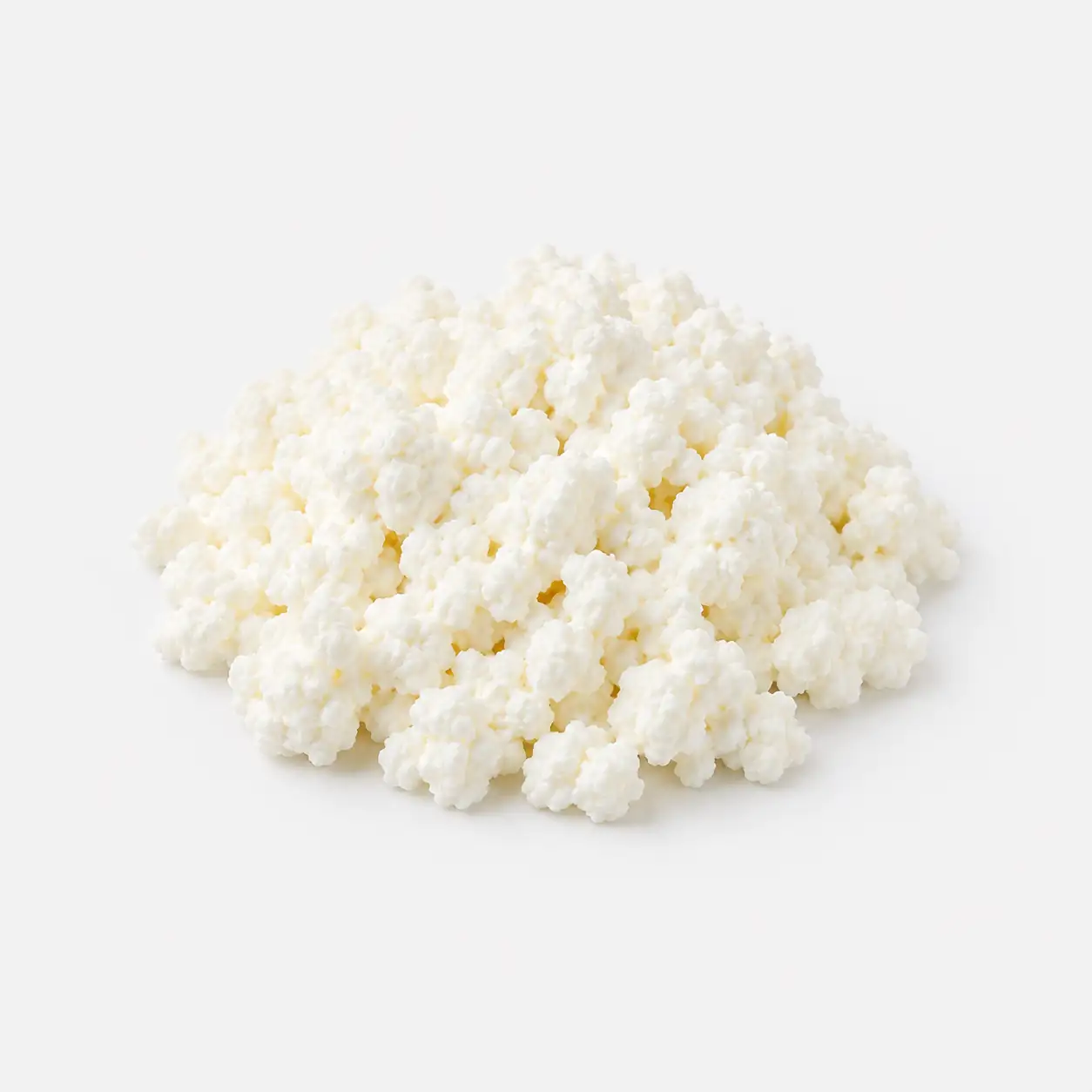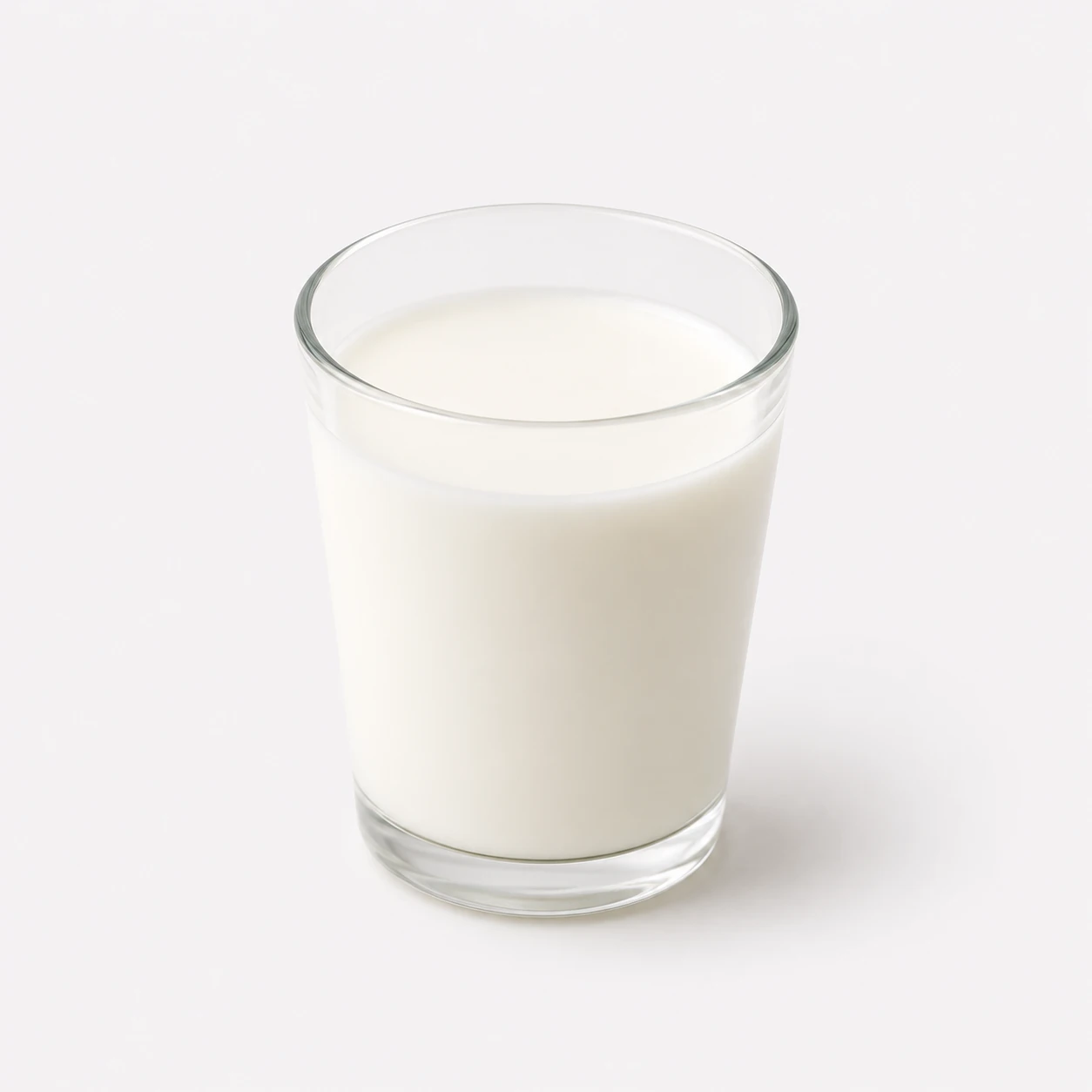
How to serve plain unsweetened yogurt (cow’s milk) at 6 months
6+ months
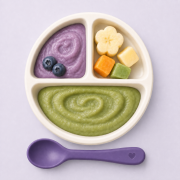
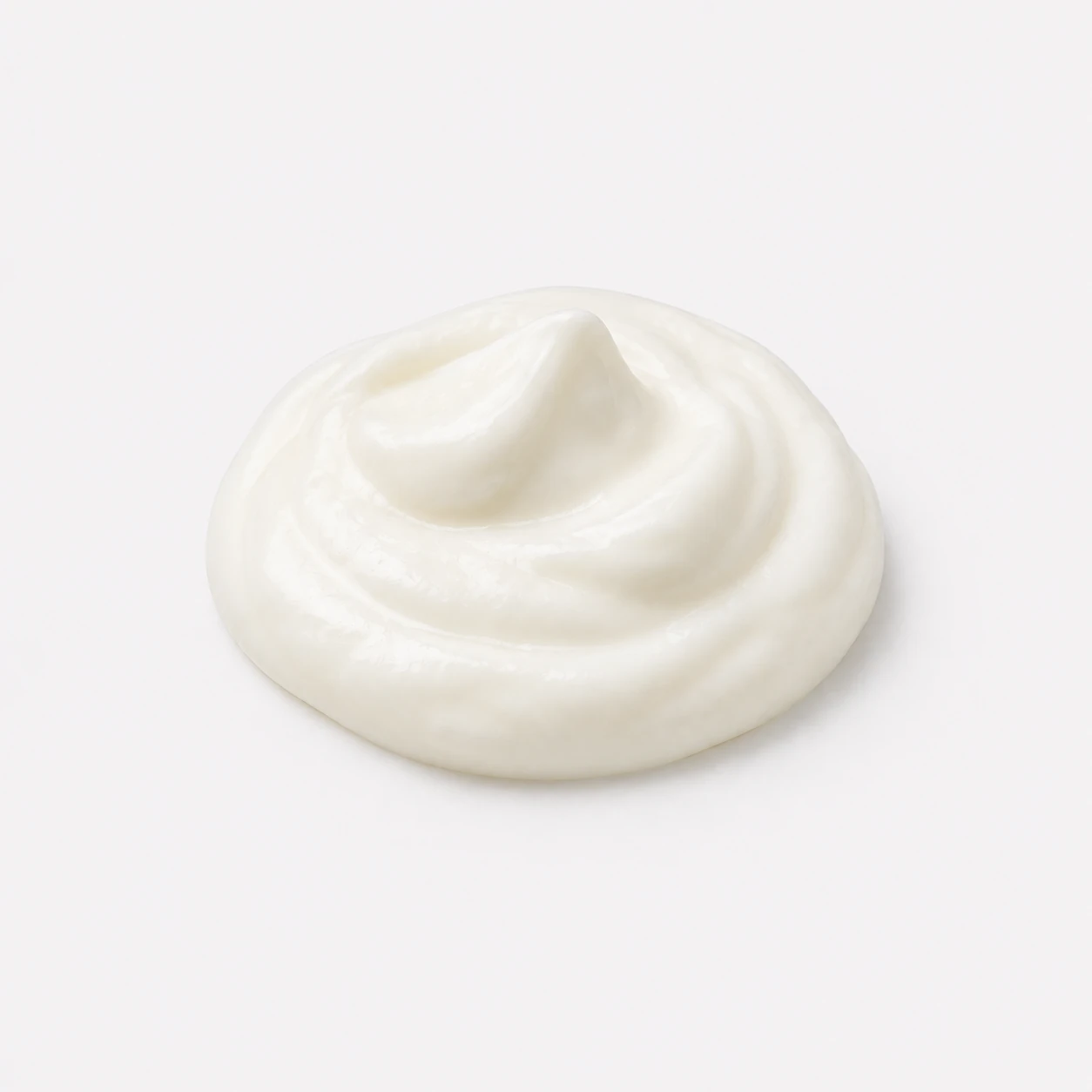
Choose plain yogurt made from pasteurized whole milk with no added sugar. Offer it on its own from a spoon or on a pre-loaded spoon for self-feeding. You can mix it with mashed fruit or cereal, or use it as a dip for soft vegetables and pancakes.
Choking risk
Yogurt is smooth and creamy and isn’t usually considered a choking risk.
Keep your child sitting upright and stay with them throughout the meal.
Allergies
Cow’s milk protein is one of the major food allergens. A reaction can happen even the first time your baby tries it.
Why yogurt comes before milk
Cow’s milk as a main drink waits until after the first birthday, but yogurt can be part of solids from the start. The NHS says pasteurized plain yogurt with no added sugar is fine from around 6 months. It’s a food in small amounts, not a replacement for breast milk or formula.
Sugar in yogurt
100 g of plain yogurt has 4.7 g of sugar; fruit yogurt has 18.6 g.
That’s USDA data. The sugar in plain yogurt is lactose from milk, and the NHS doesn’t count it as free sugar. Most of the sugar in fruit yogurt is added. US guidance says children under 2 should avoid foods with added sugars and names flavored yogurt as an example. To sweeten plain yogurt, stir in mashed berries or fruit.
Why full-fat
The NHS recommends full-fat yogurt, cheese, and fromage frais until age 2, because children under 2 need the vitamins and extra energy they provide.
Calcium and iodine
100 g of whole-milk plain yogurt has 121 mg of calcium, according to USDA data, almost half of what a baby 7 to 12 months old needs in a day (260 mg, according to the NIH). Almost all of the body’s calcium is stored in bones and teeth, and it also helps muscles and nerves work.
The NIH names dairy foods, yogurt included, as good sources of iodine. The body needs iodine to make thyroid hormones, which control metabolism and are needed for bone and brain development.
Greek yogurt
Greek yogurt is strained, so it’s thicker and higher in protein: 9 g per 100 g versus 3.5 g in regular plain yogurt, according to USDA data. Choose plain Greek yogurt too.
Sources · 14
This page is based on guidance from health organizations:
- NHS — From around 6 months
- CDC — When, What, and How to Introduce Solid Foods
- USDA FoodData Central — Yogurt, plain, whole milk
- AAP — When Can Babies Start Solid Foods?
- AAAAI — Food Allergy
- NHS — Food allergies in babies and young children
- NHS — Your baby's first solid foods
- USDA FoodData Central — Yogurt, fruit, low fat
- USDA FoodData Central — Yogurt, Greek, plain, whole milk
- NHS — Sugar: the facts
- CDC — Foods and Drinks to Avoid or Limit
- NHS — What to feed young children
- NIH ODS — Calcium
- NIH ODS — Iodine
For informational purposes only. Not medical advice. Decide on introducing foods, especially allergens, together with your pediatrician.