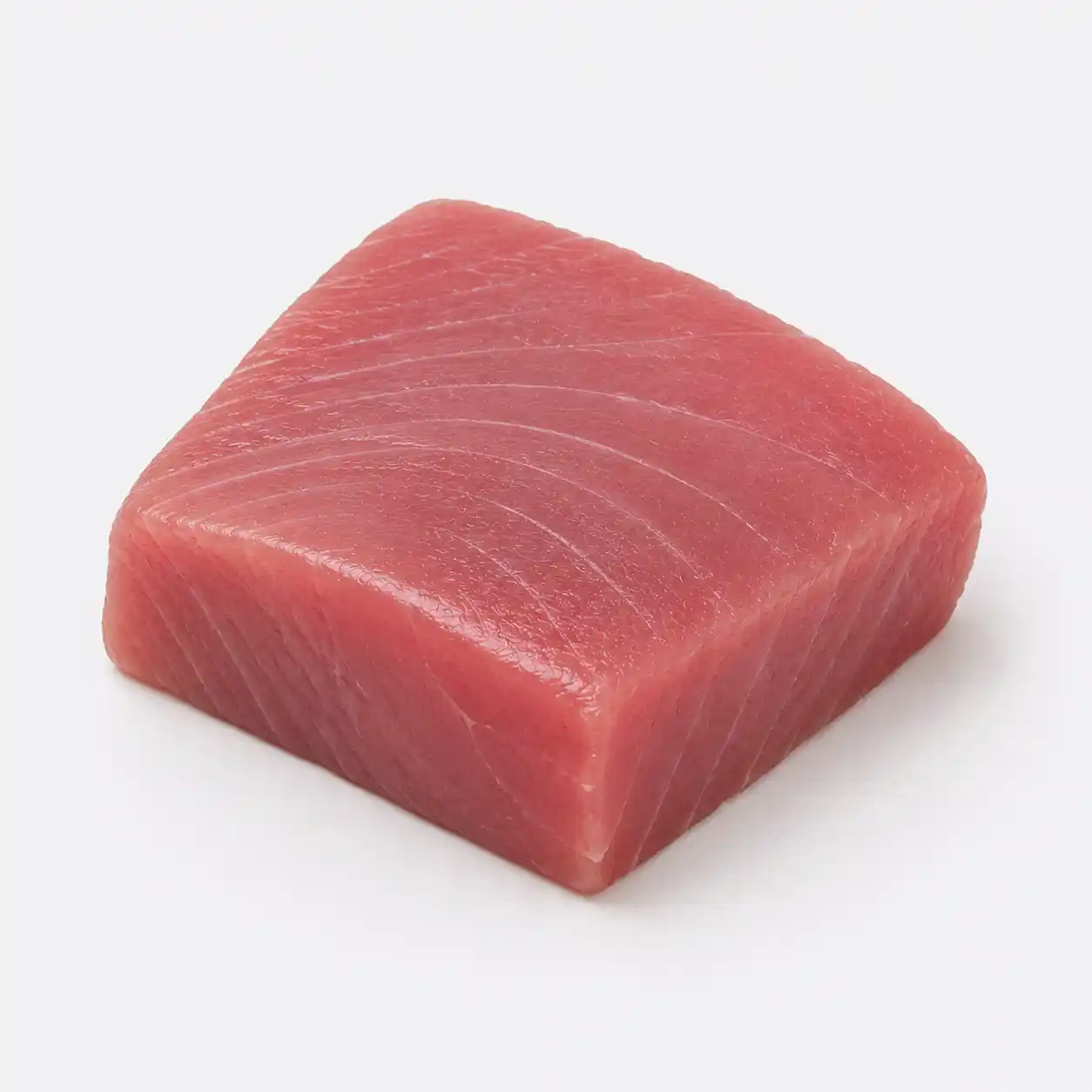
How to serve by age
6+ months
Fully cook the tuna, carefully remove all bones, and mash into soft flakes or blend into a puree. You can mix it with vegetable puree.
Cook tuna through, remove every bone, and offer large soft flakes your baby can pick up.
9+ months
Offer small, soft pieces of cooked, boneless tuna suited to your child’s eating skills.
Offer soft boneless flakes or small pieces.
12+ months
Offer small boneless pieces in family meals.
Choking risk
Fish bones and dense pieces can be a choking hazard for young children.
To lower the risk:
- remove every bone;
- cook until soft;
- break it into small soft pieces.
Keep your child sitting upright and stay with them throughout the meal.
Allergies
Fish is a common food allergen.
Introduce new foods gradually and watch for any reaction.
Which tuna to choose
Tuna varies in mercury. The FDA puts canned light tuna, including skipjack, on its Best Choices list, the fish lowest in mercury. Albacore (white) tuna, canned or fresh, and yellowfin are on the Good Choices list, meant to be eaten less often. The FDA says to avoid bigeye tuna altogether, since it has the highest mercury levels. For your baby, choose canned light tuna and check the species on the label.
Tuna doesn’t count as oily fish
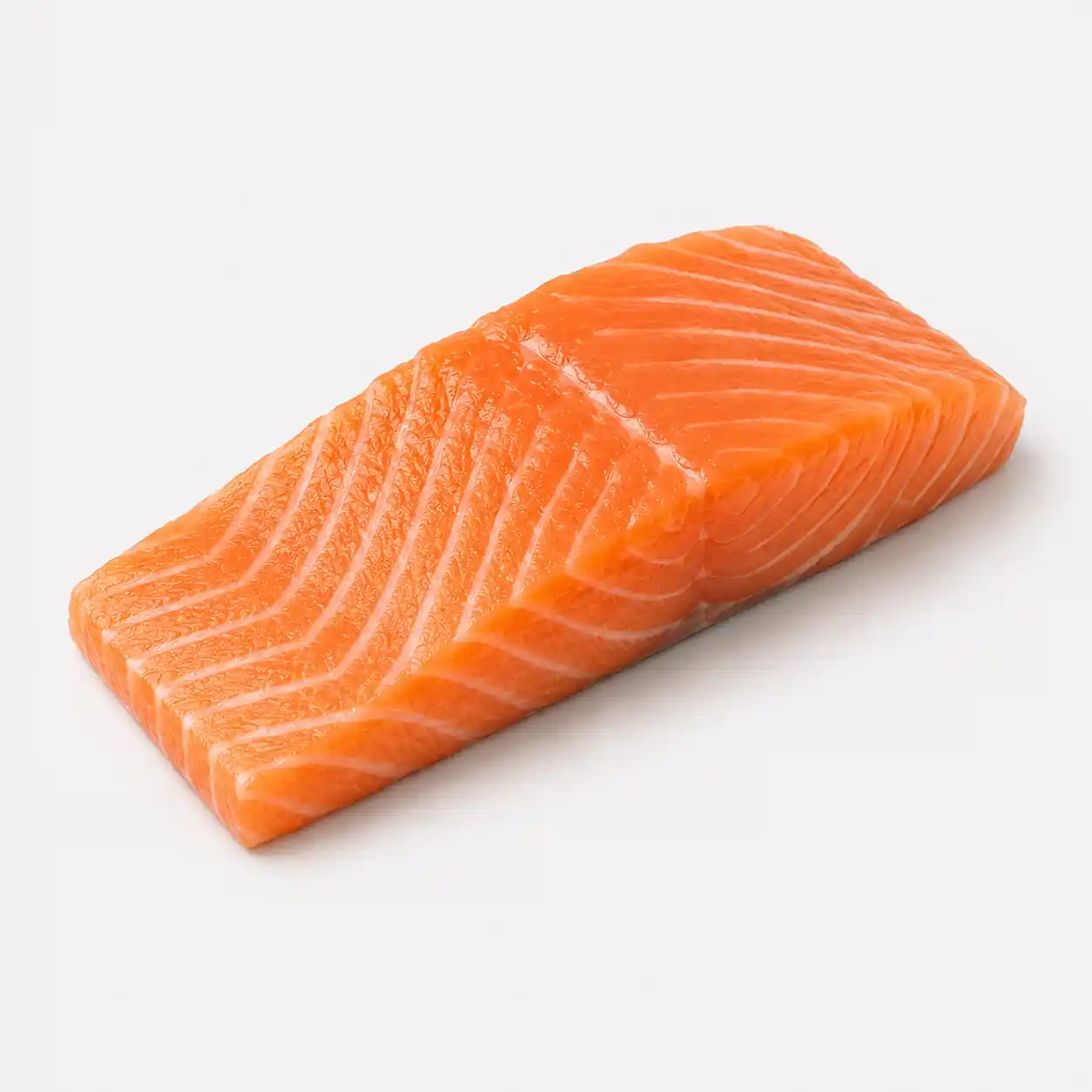
The NHS notes that fresh and canned tuna don’t count as oily fish. According to USDA data, 100 g of light tuna canned in water has 0.2 g of DHA, while salmon has 1.46 g. So tuna doesn’t replace salmon, sardines, or mackerel on the menu.
Salt in canned tuna
100 g of light tuna canned in water has 247 mg of sodium, three times as much as cooked fresh cod.
That’s USDA data; white tuna canned in water has 377 mg. The NHS advises against salty food for babies, so choose tuna in water with no added salt and don’t salt the dish.
Vitamin B12 and selenium
100 g of light tuna has 2.6 mcg of vitamin B12, five times the daily amount for babies 7 to 12 months old (0.5 mcg, according to the NIH), and 71 mcg of selenium, more than three times the daily amount (20 mcg).
Shark, swordfish, and marlin
The NHS advises all children under 16 to avoid shark, swordfish, and marlin, because the mercury in these fish can affect the development of a child’s nervous system.
Sources · 15
This page is based on guidance from health organizations:
- WHO — Complementary feeding of infants and young children
- NHS — Foods to avoid giving babies and young children
- FDA — Advice about Eating Fish
- NHS — Preparing food safely for babies
- WHO — Complementary feeding
- CDC — Choking Hazards
- NHS — Food allergies in babies and young children
- CDC — When, What, and How to Introduce Solid Foods
- NHS — Fish and shellfish
- USDA FoodData Central — Fish, tuna, light, canned in water
- USDA FoodData Central — Fish, tuna, white, canned in water
- USDA FoodData Central — Salmon, Atlantic, farmed, cooked
- USDA FoodData Central — Fish, cod, Atlantic, cooked, dry heat
- NIH ODS — Vitamin B12
- NIH ODS — Selenium
For informational purposes only. Not medical advice. Decide on introducing foods, especially allergens, together with your pediatrician.