How to serve pumpkin at 6 and 9 months
Ages are approximate; go by your baby’s skills.
Ages are approximate; go by your baby’s skills.
6+ months
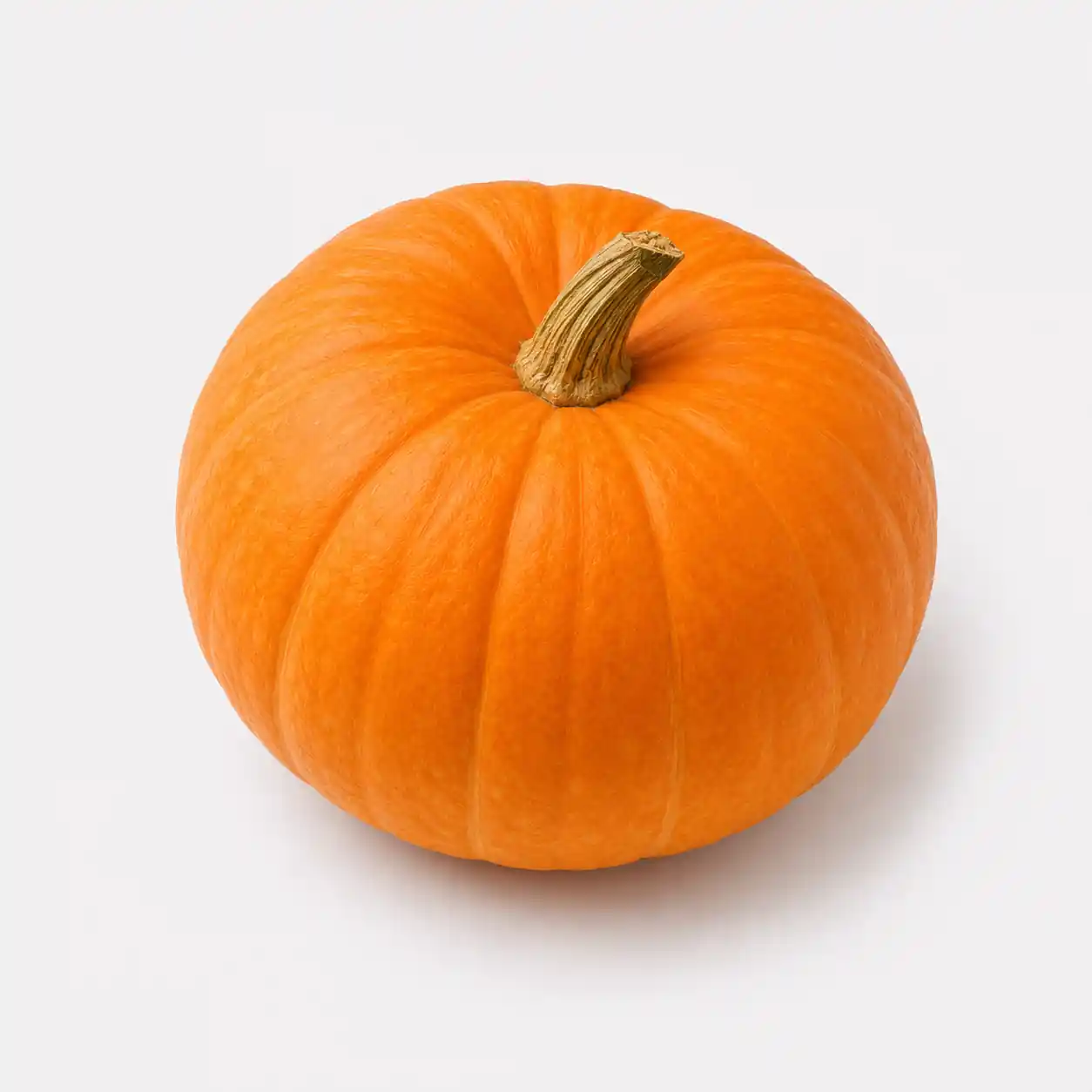
Wash the pumpkin and remove the peel, seeds, and stringy center. Steam, boil, or roast it until soft and mash it. Serve on its own, with cereal, or with other vegetables.
Remove the peel, seeds, and stringy center. Cut the pumpkin into long wedges that stick out of the fist and steam or roast them until soft. The wedges should squish easily between your fingers, with no hard crust.
9+ months
If your baby manages soft pieces, offer small soft pieces of pumpkin on their own, in soup, or in a vegetable stew.
Once your baby has a pincer grasp, offer small soft pieces of cooked pumpkin.
Choking risk
Raw or undercooked pumpkin can be too firm for babies. Cook pumpkin until soft before serving.
Keep your child sitting upright and stay with them throughout the meal.
Allergies
Pumpkin isn’t considered a common food allergen. Individual allergic reactions are still possible. Some people with pollen allergies may react to certain plant foods.
Canned pumpkin versus pie filling
Two lookalike cans sit side by side on the shelf: pumpkin puree and pumpkin pie mix. Only the first one works for your baby.
100 g of canned pumpkin without salt has 5 mg of sodium; pumpkin pie mix has 208 mg.
That’s USDA data. Besides salt, pie mix contains sugar and spices. Choose a can with pumpkin as the only ingredient.
Butternut squash
Pumpkin and squash varieties differ. According to USDA data, 100 g of baked butternut squash has 558 mcg of vitamin A, and canned pumpkin has 778 mcg.
Fiber and vitamin E
100 g of canned pumpkin without salt has 2.9 g of fiber, more than banana (2.6 g), and 1.1 mg of vitamin E, about a fifth of the daily amount for babies 7 to 12 months old (5 mg, according to the NIH). That’s USDA data.
Opened cans and home canning
The USDA Food Safety and Inspection Service (FSIS) lists canned pumpkin among low-acid canned foods. Once opened, keep it in the refrigerator for 3 to 4 days. You can leave the rest in the can, but for the best quality and flavor, move it to a glass or plastic container. Don’t buy cans that are bulging, rusted, leaking, or deeply dented.
Home-canned foods carry a higher risk of botulism when they weren’t processed with safe canning methods. FSIS advises against using or even tasting canned food if the lid bulges, the jar is cracked, liquid spurts out when you open it, or it smells bad.
Pumpkin seeds
Seeds come out with the stringy pulp and can easily end up in your baby’s portion. The CDC lists whole and chopped seeds as choking hazards for young children. Scoop out every seed before cooking.
Sources · 14
This page is based on guidance from health organizations:
- CDC — When, What, and How to Introduce Solid Foods
- NHS — From around 6 months
- NHS — Squash and lentil soup recipe
- USDA FoodData Central — Pumpkin, raw
- NHS — Preparing food safely for babies
- NHS — Choking and gagging on food
- AAAAI — Oral Allergy Syndrome
- ASCIA — Oral Allergy Syndrome
- USDA FoodData Central — Pumpkin, canned, without salt
- USDA FoodData Central — Pumpkin pie mix, canned
- USDA FoodData Central — Squash, winter, butternut, baked
- CDC — Choking Hazards
- USDA FSIS — Shelf-Stable Food Safety
- NIH ODS — Vitamin E
For informational purposes only. Not medical advice. Decide on introducing foods, especially allergens, together with your pediatrician.