How to serve broccoli at 6 and 9 months
Ages are approximate; go by your baby’s skills.
Ages are approximate; go by your baby’s skills.
6+ months
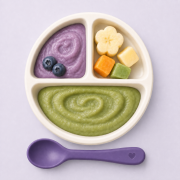
Wash the broccoli and steam or boil it until soft. Mash the florets with a fork or puree them. You can use the stalk too: remove the tough outer layer, cook it until soft, and blend it with the florets. Serve it on its own or add it to vegetable puree or soup.
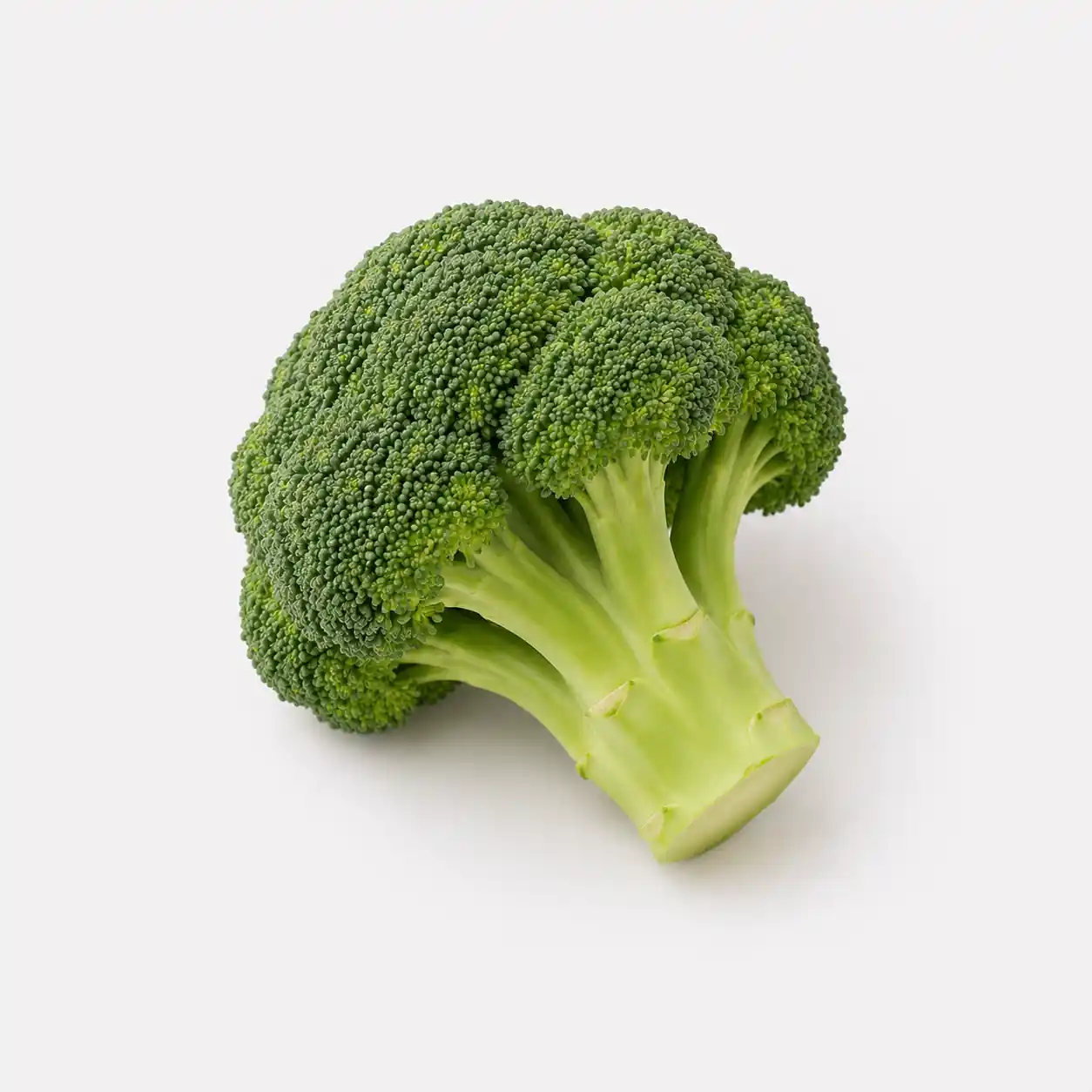
Offer a large cooked floret with a stalk your baby can hold on to. Both the floret and the stalk should squish easily between your fingers. Another option is mashed broccoli on a pre-loaded spoon.
9+ months
If your baby manages soft pieces, offer small cooked florets or pieces of peeled soft stalk without mashing, on their own, with potatoes, or in a vegetable stew.
Once your baby has developed a pincer grasp, offer small soft florets or pieces of peeled cooked stalk. Don’t offer hard raw florets.
Choking risk
Raw or hard broccoli can be a choking hazard for babies and young children. When your baby is starting solids, cook broccoli until soft and serve it in a texture that suits their stage.
Keep your child sitting upright and stay with them throughout the meal.
Allergies
Individual allergic reactions are possible.
Gas after broccoli
The NHS lists broccoli, along with cabbage and cauliflower, among foods that are hard to digest and can cause gas. If broccoli leaves your baby noticeably gassy, offer smaller portions. If the fussiness continues or other symptoms show up, check in with your pediatrician.
Keeping the vitamin C
100 g of cooked broccoli has 65 mg of vitamin C, more than a baby 7 to 12 months old needs in a day.
That’s USDA data. Vitamin C dissolves in water and breaks down with heat, so long cooking and storage reduce it. The NIH Office of Dietary Supplements notes that steaming or microwaving cuts the losses. Cook broccoli until soft, but no longer, and don’t leave it sitting in the cooking water.
Frozen broccoli
Frozen broccoli has to be cooked before eating. The USDA Food Safety and Inspection Service (FSIS) warns that frozen produce must be cooked first, even for a dish served cold. After boiling, 100 g of frozen broccoli has 40 mg of vitamin C, according to USDA data. That’s less than freshly cooked broccoli (65 mg) but still about 80% of the daily need for babies 7 to 12 months old.
Vitamin K
The same portion has 141 mcg of vitamin K, according to USDA data. According to the NIH, vitamin K helps blood clot and keeps bones healthy.
Calcium from vegetables, and the thyroid
The NIH names broccoli among vegetables that contain calcium, along with kale and bok choy: 100 g of cooked broccoli has 40 mg of calcium, according to USDA data.
Broccoli is a cruciferous vegetable, and these contain goitrogens, substances that interfere with the way the body uses iodine. According to the NIH, for people who get enough iodine, reasonable amounts of these vegetables are not a concern.
Sources · 15
This page is based on guidance from health organizations:
- CDC — When, What, and How to Introduce Solid Foods
- NHS — From around 6 months
- USDA FoodData Central — Broccoli, cooked, boiled, drained, without salt
- NIDDK — Eating, Diet, & Nutrition for Gas in the Digestive Tract
- NHS — Help your baby enjoy new foods
- NHS — Foods to avoid giving babies and young children
- AAP — When Can Babies Start Solid Foods?
- NHS — Food allergies in babies and young children
- NHS — Farting (flatulence)
- NIH ODS — Vitamin C
- NIH ODS — Vitamin K
- USDA FoodData Central — Broccoli, frozen, chopped, cooked, boiled
- USDA FSIS — Preparing Frozen Food
- NIH ODS — Calcium
- NIH ODS — Iodine
For informational purposes only. Not medical advice. Decide on introducing foods, especially allergens, together with your pediatrician.