How to serve by age
6+ months
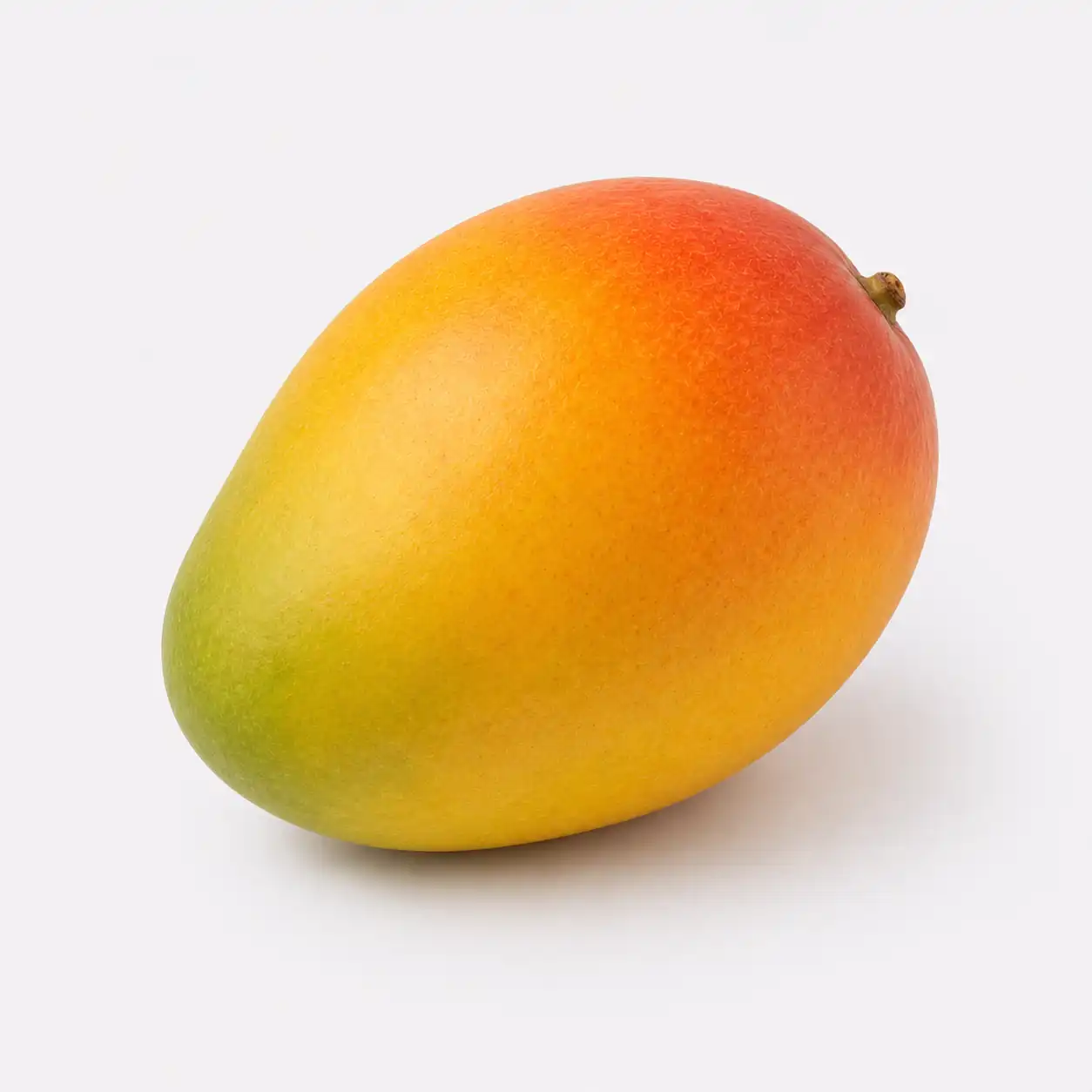
Use ripe, soft fruit, or cook it until soft, and offer it as a smooth puree.
Offer ripe, soft fruit as a large wedge or strip that’s easy to hold. Cook it until soft if needed.
9+ months
Offer a mashed texture with soft pieces.
Offer soft wedges or strips for self-feeding.
12+ months
Offer it finely chopped or mashed in dishes your child eats with a spoon.
Offer small soft pieces as part of family meals.
Choking risk
Unripe mango or large stringy pieces can be hard for young children to chew safely.
To lower the risk:
- offer soft, ripe mango;
- remove tough fibers;
- cut it into thin soft slices or small pieces.
Keep your child sitting upright and stay with them throughout the meal.
Allergies
Individual allergic reactions are possible.
Vitamin C
100 g of mango has 36 mg of vitamin C, almost three quarters of the daily amount for babies 7 to 12 months old.
That’s USDA data; the 50 mg target comes from the NIH. Vitamin C supports the immune system and wound healing, and it helps the body absorb iron from plant foods. Heat and long storage break it down, so ripe mango is best served fresh, without cooking.
Vitamin A and folate
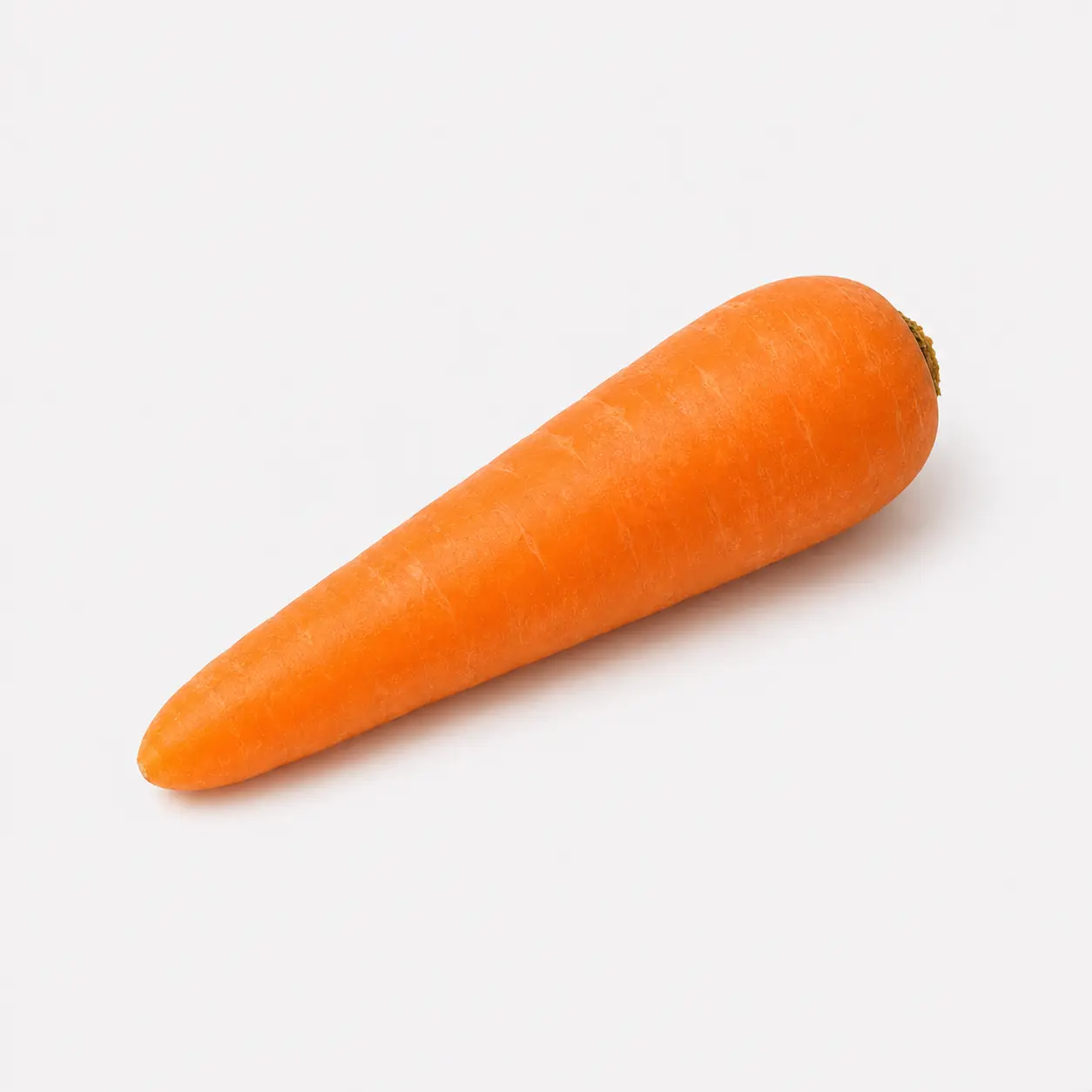
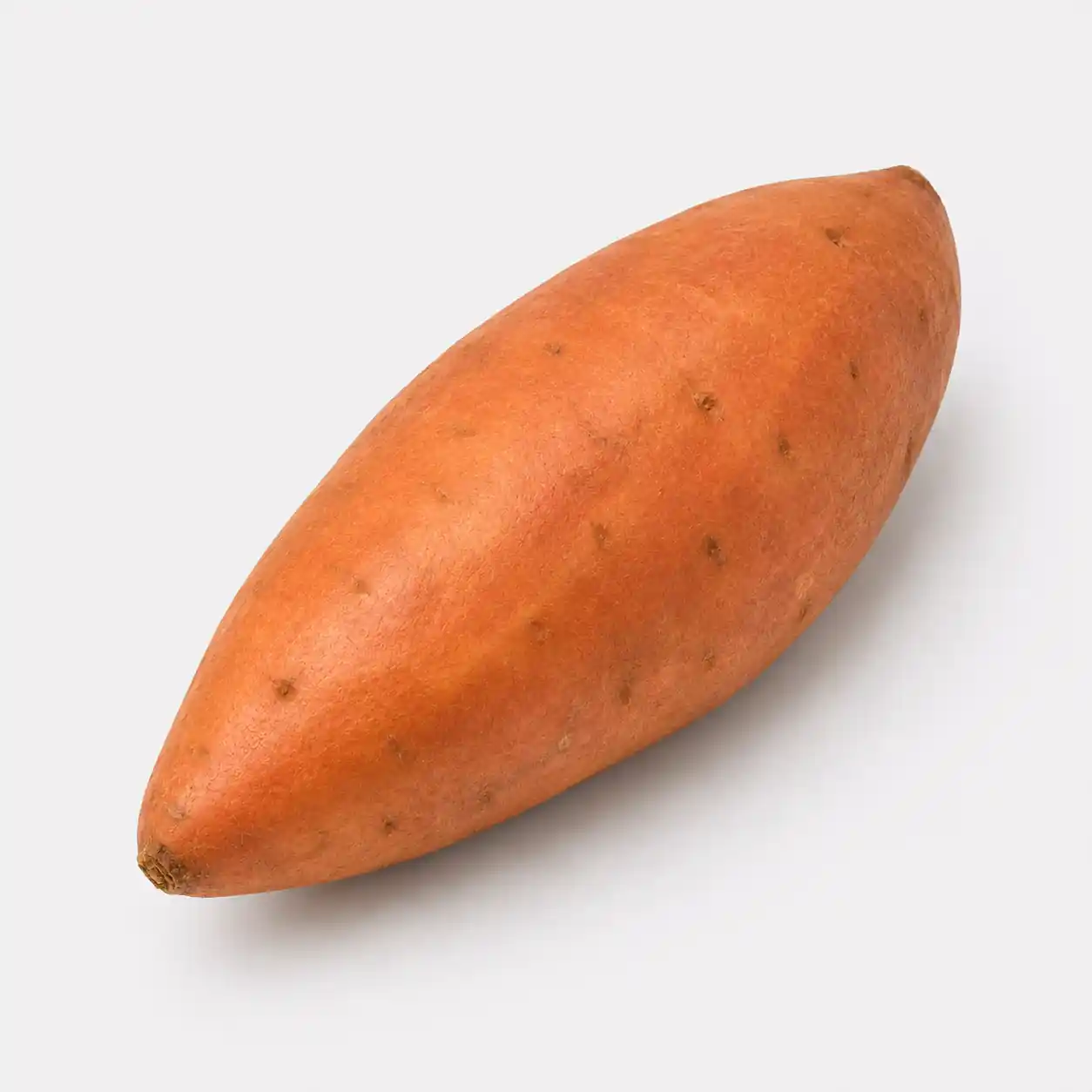
The same portion has 54 mcg of vitamin A, about a tenth of the daily amount (500 mcg), and 43 mcg of folate, more than half of what babies 7 to 12 months old need (80 mcg, according to the NIH). Like carrots and sweet potatoes, mango’s yellow-orange flesh contains carotenoids that the body can turn into vitamin A.
100 g of mango also has 0.9 mg of vitamin E, about a fifth of the daily amount (5 mg, according to the NIH), 168 mg of potassium, and 1.6 g of fiber.
Dried mango
Store-bought dried mango is often sweetened. According to USDA data, 100 g of sweetened dried mango has 66 g of sugars and 162 mg of sodium, compared with 14 g of sugars and 1 mg of sodium in fresh mango. The NHS advises against foods with added sugar for children 4 and under. If you buy dried mango, choose one without added sugar; for a baby, fresh is better.
How much is a portion
The NHS gives an adult fruit portion as 2 slices of mango, each about 2 inches (5 cm) thick. A few soft pieces or a couple of spoonfuls of puree is plenty for a baby.
Sources · 14
This page is based on guidance from health organizations:
- WHO — Complementary feeding of infants and young children
- CDC — Foods and Drinks for 6 to 24 Month Olds
- NHS — Preparing food safely for babies
- WHO — Complementary feeding
- NHS — Choking and gagging on food
- NHS — Food allergies in babies and young children
- USDA FoodData Central — Mangos, raw
- USDA FoodData Central — Mango, dried, sweetened
- NIH ODS — Vitamin C
- NIH ODS — Vitamin A and Carotenoids
- NIH ODS — Folate
- NHS — Foods to avoid giving babies and young children
- NHS — 5 A Day portion sizes
- NIH ODS — Vitamin E
For informational purposes only. Not medical advice. Decide on introducing foods, especially allergens, together with your pediatrician.