How to serve sweet potato at 6 and 9 months
Ages are approximate; go by your baby’s skills.
Ages are approximate; go by your baby’s skills.
6+ months
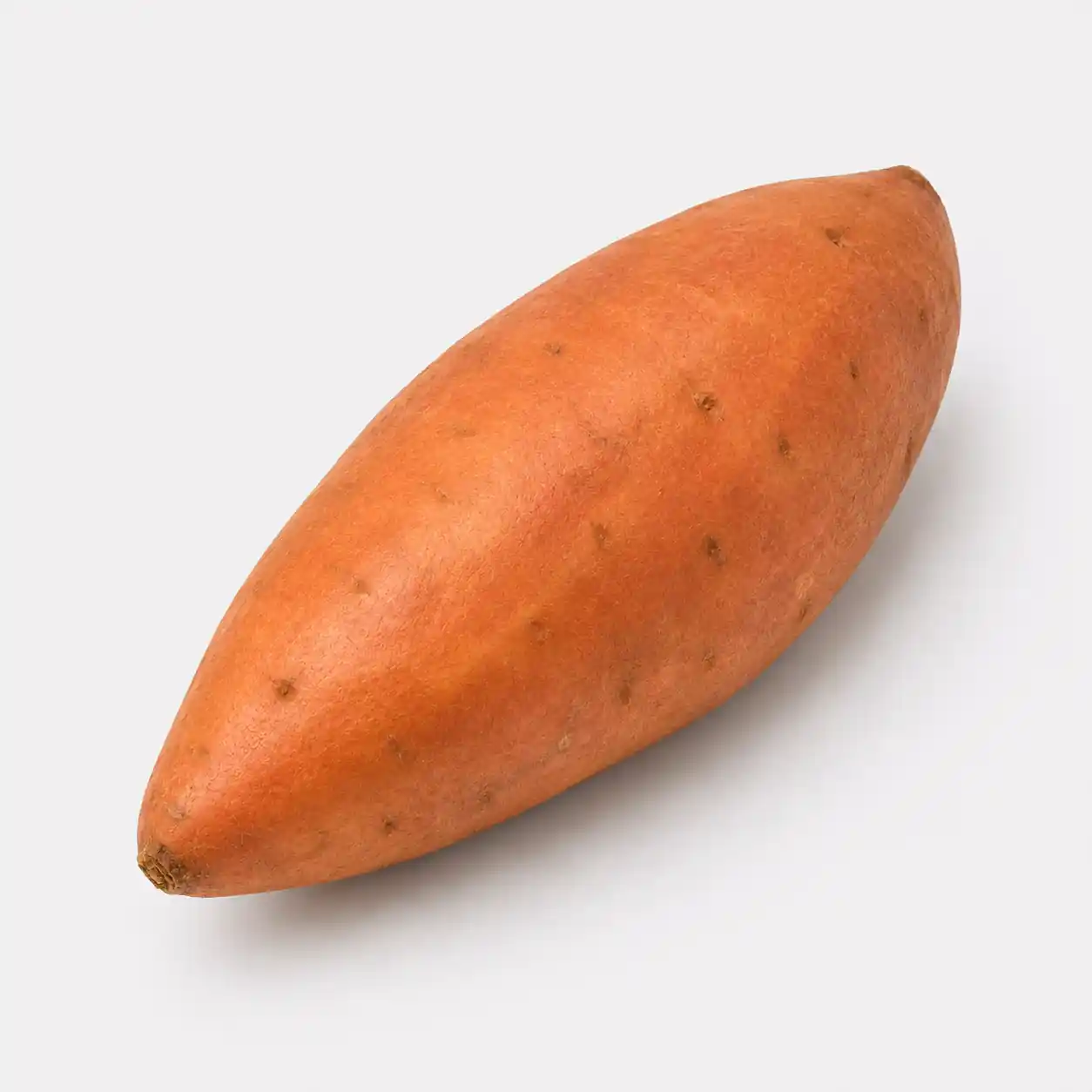
Wash and peel the sweet potato. Boil, steam, or roast it until completely soft and mash it. Serve on its own, with other vegetables, or with meat.
Peel the sweet potato, cut it into long wedges that stick out of the fist, and steam or roast them until soft. The wedges should squish easily between your fingers, with no hard crust.
9+ months
If your baby manages soft pieces, offer small soft pieces of cooked sweet potato on their own, in a thick soup, or in a vegetable stew.
Once your baby has a pincer grasp, offer small soft pieces of cooked sweet potato.
Choking risk
Raw or undercooked sweet potato can be too firm for babies. Cook sweet potato until soft before serving.
Keep your child sitting upright and stay with them throughout the meal.
Allergies
Sweet potato isn’t considered a common food allergen. Individual allergic reactions are still possible.
Sweet potato versus regular potato
100 g of baked sweet potato has 961 mcg of vitamin A; baked white potato has about 1 mcg.
That’s USDA data. Sweet potatoes look like potatoes, but they’re a different vegetable: the orange flesh is rich in beta-carotene, which regular potatoes barely have. Sweet potatoes also have more fiber: 3.3 g versus 2.2 g.
Vitamin C
100 g of baked sweet potato has 19.6 mg of vitamin C, according to USDA data. That’s about 40% of the daily need for babies 7 to 12 months old (50 mg, according to the NIH).
Sweet potatoes in US dietary guidance
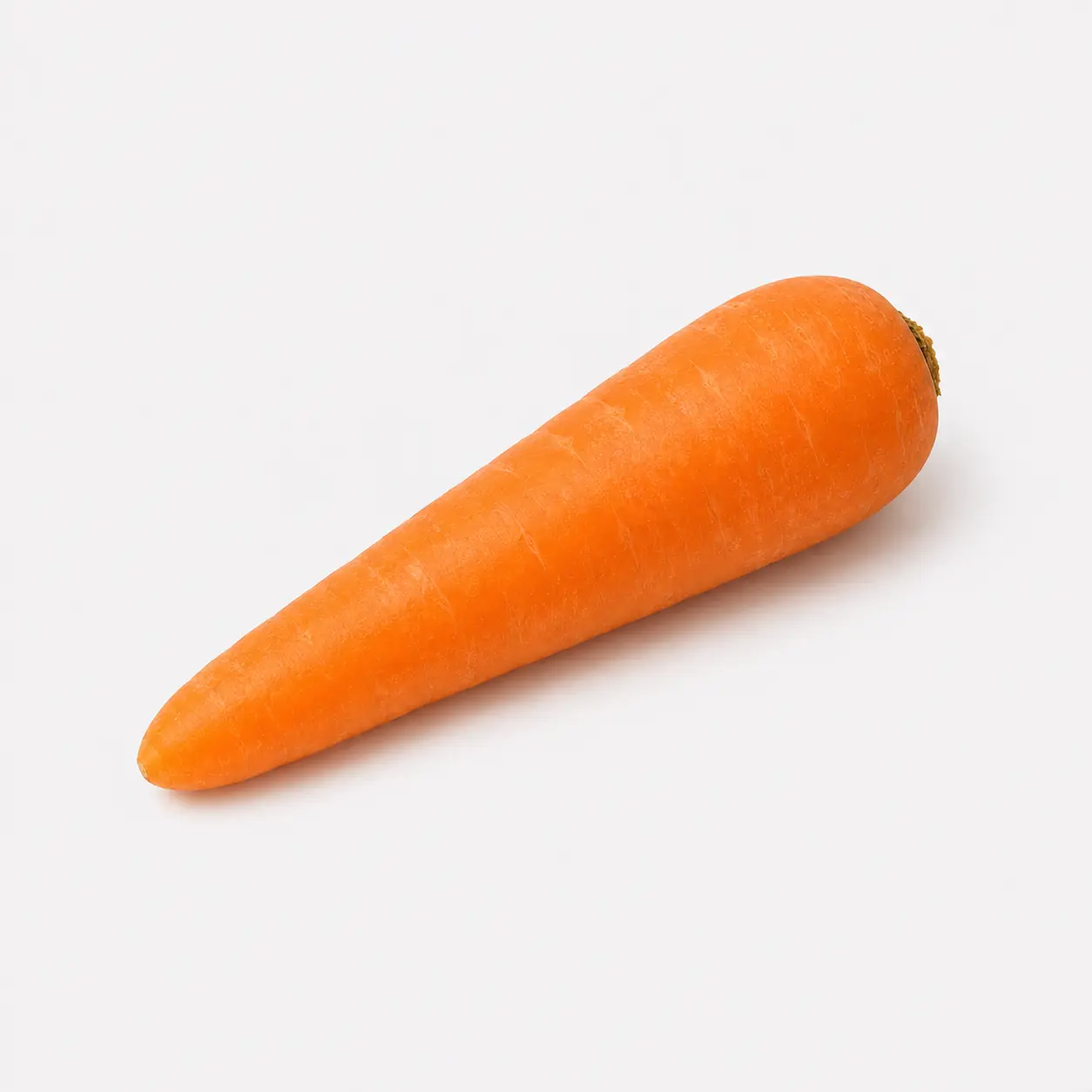
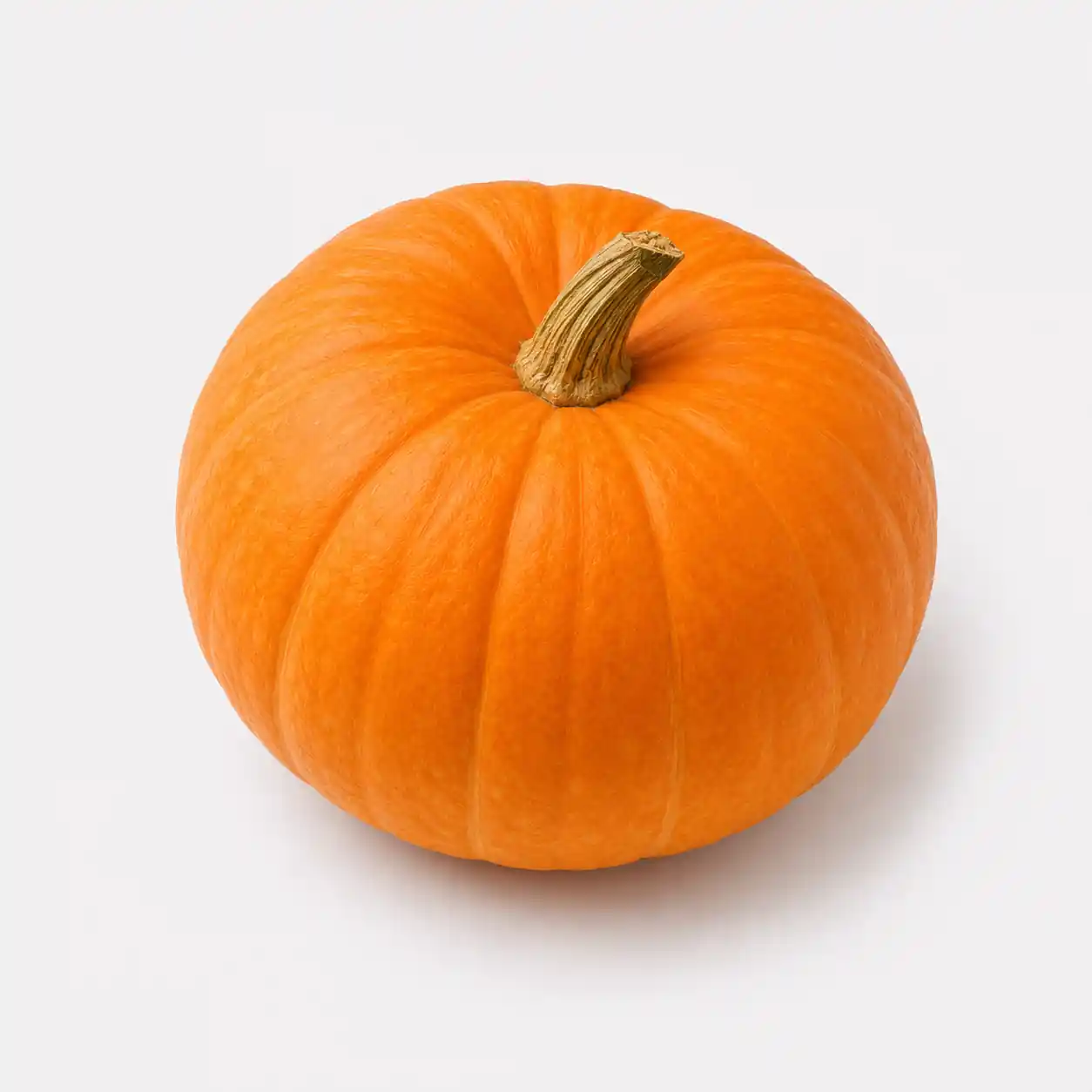
The Dietary Guidelines for Americans sort vegetables into subgroups. Sweet potatoes belong to the red and orange vegetables, along with carrots, tomatoes, and pumpkin. White potatoes count as starchy vegetables, and yams are listed there too, separately from sweet potatoes. The guidelines recommend eating vegetables from every subgroup, so sweet potatoes add to potatoes, dark green vegetables, and beans rather than replace them.
Jarred purees and lead
In January 2025, the FDA set action levels for lead in packaged food for children under 2, sold in jars, pouches, tubs, and boxes. For fruits, most vegetables, mixtures, and yogurts, the level is 10 micrograms per kilogram. For single-ingredient root vegetables, meaning a puree made only of carrots or only of sweet potatoes, it’s 20 mcg/kg. The FDA explains that people eat different amounts of these foods and that some plants take up more lead from the environment. According to FDA data, average lead levels were below 10 mcg/kg in every category of baby food except single-ingredient root vegetables.
The FDA advises parents to offer a varied diet, with variety within each food group too. Rotate sweet potatoes with other vegetables.
Sources · 13
This page is based on guidance from health organizations:
- CDC — When, What, and How to Introduce Solid Foods
- NHS — From around 6 months
- USDA FoodData Central — Sweet potato, raw, unprepared
- NHS — Preparing food safely for babies
- NHS — Choking and gagging on food
- NHS — Food allergies in babies and young children
- AAAAI — Food Allergy
- USDA FoodData Central — Sweet potato, baked in skin
- USDA FoodData Central — Potatoes, baked, flesh and skin
- NIH ODS — Vitamin C
- Dietary Guidelines for Americans 2020–2025
- FDA — Action Levels for Lead in Processed Food Intended for Babies and Young Children
- FDA — Action Levels for Lead in Categories of Processed Baby Foods
For informational purposes only. Not medical advice. Decide on introducing foods, especially allergens, together with your pediatrician.