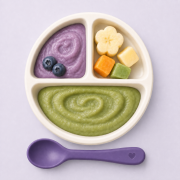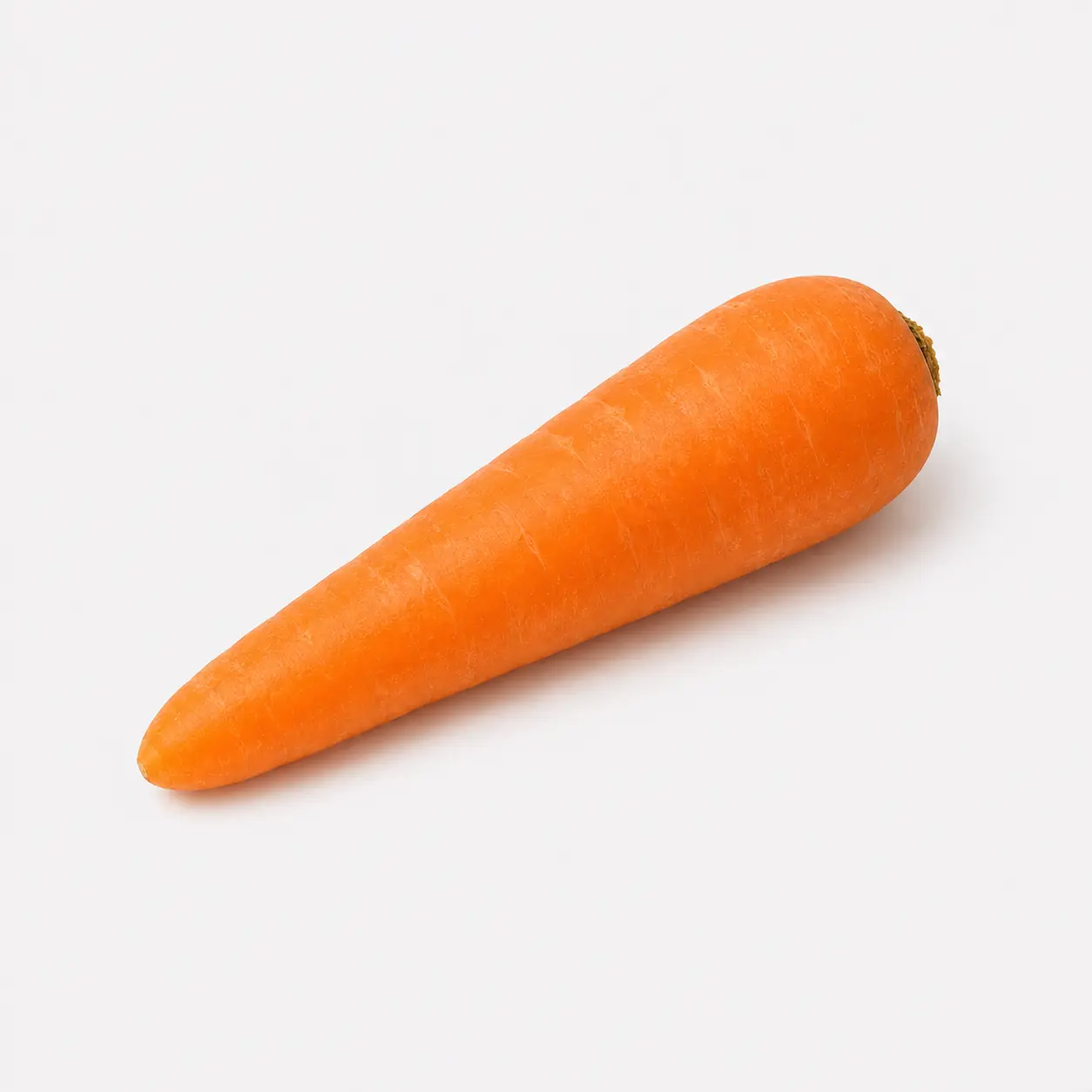
How to serve carrot at 6 and 9 months
Ages are approximate; go by your baby’s skills.
Ages are approximate; go by your baby’s skills.
6+ months
Wash and peel the carrot, then boil or steam it until completely soft. Mash it with a fork or puree it. Once your baby manages small particles of food, you can offer peeled raw carrot grated on a very fine grater, on its own or mixed with soft food.
Cut peeled carrot into long sticks and cook them until completely soft. Part of each stick should stick out of your baby’s fist, and it should squish easily between your fingers all the way through. Another option is mashed cooked carrot, or very finely grated raw carrot on a pre-loaded spoon if your baby manages small particles.
9+ months
If your baby manages soft pieces, offer small pieces of fully cooked carrot without mashing, on their own or in a stew or thick soup. They should crush easily with a fork. You can keep grating raw carrot very finely.
18–24 months: if your child bites and chews confidently, you can offer peeled raw carrot in very thin, short ribbons made with a vegetable peeler. Don’t offer thick slices, rounds, or hard sticks; finely grated carrot is still a good option.
Once your baby has developed a pincer grasp, offer small soft pieces of cooked carrot. Don’t offer hard raw pieces, thick sticks, or rounds.
18–24 months: if your child bites and chews confidently, you can offer peeled raw carrot in very thin, short ribbons made with a vegetable peeler. Don’t offer thick slices, rounds, or hard sticks; finely grated carrot is still a good option.
Choking risk
Raw, hard carrot can be a choking hazard for babies and young children. When your baby is starting solids, serve carrot well cooked and soft, in a texture that suits their stage.
Keep your child sitting upright and stay with them throughout the meal.
Allergies
Individual allergic reactions to carrot are possible. Some people with a birch or mugwort pollen allergy may also react to carrot, especially raw carrot, due to cross-reactivity.
Sweet and not-so-sweet vegetables
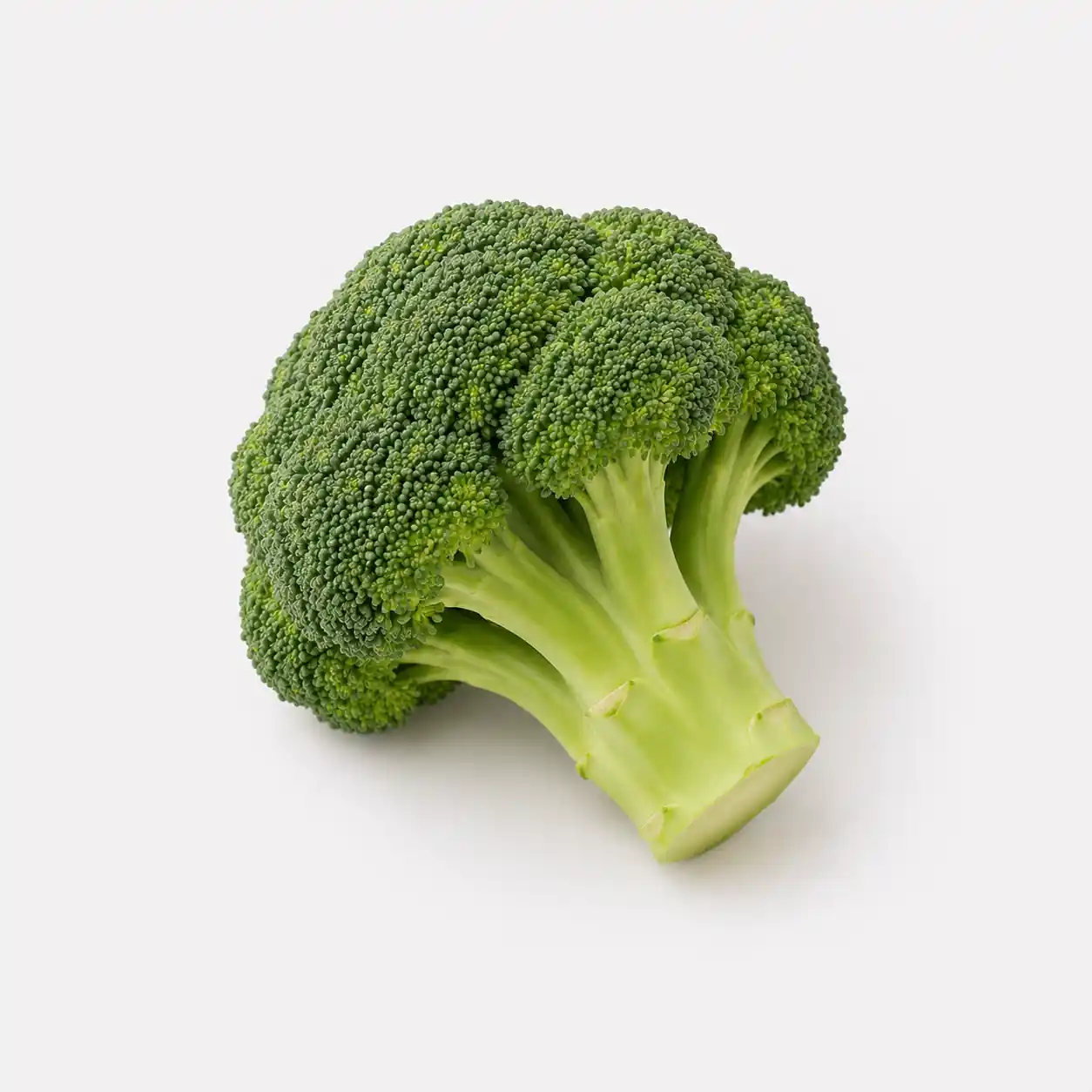
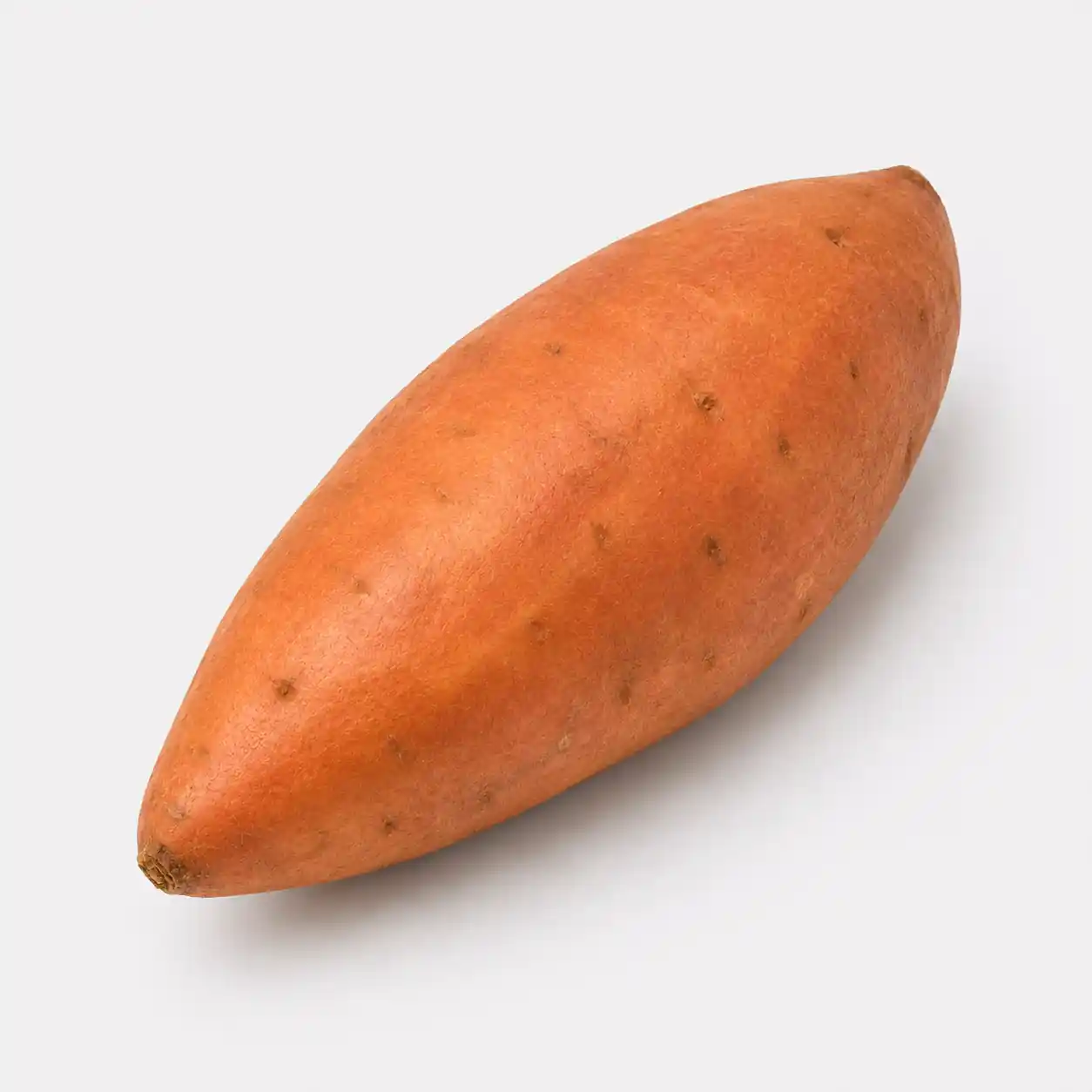
Carrots are naturally sweet, and most babies take to them quickly. That’s exactly why the NHS suggests not sticking to sweet vegetables like carrots and sweet potato in the first weeks of solids. Offer less sweet ones too, such as broccoli, cauliflower, and spinach, so your baby gets used to a range of flavors.
Rotate them: carrots one day, broccoli the next, then blend the two into one puree a few days later. If your baby turns down broccoli but happily eats carrots, keep offering both. According to the NHS, it can take 10 tries or more for a baby to get used to a new flavor or texture.
Orange palms
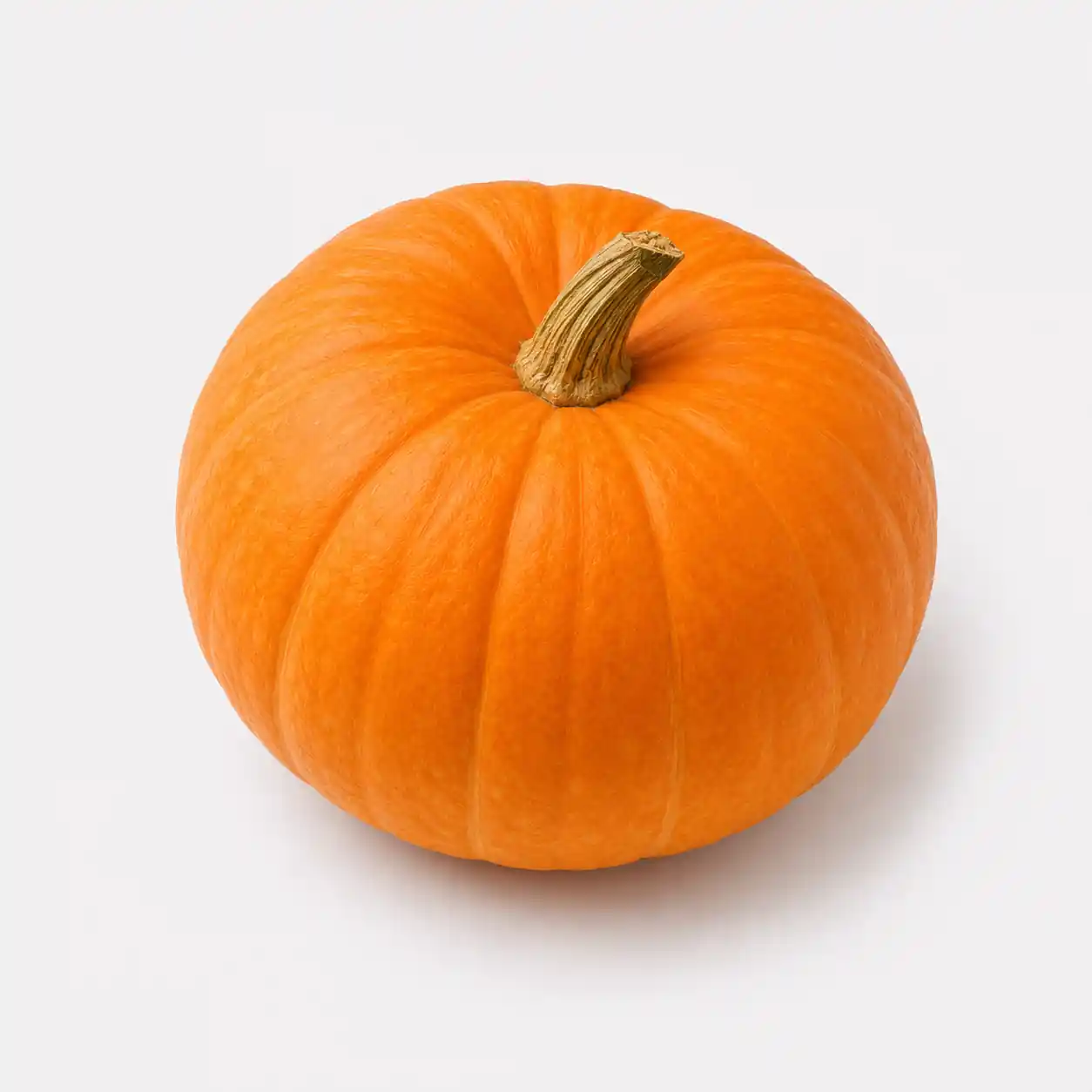
When babies eat a lot of carrots, pumpkin, or sweet potato, the skin on their palms, soles, and around the nose can turn yellow-orange. That’s beta-carotene building up in the skin. According to the NIH Office of Dietary Supplements, it’s harmless and fades once your baby eats less of these foods.
If the whites of the eyes look yellow too, or you’re not sure food is the cause, have your pediatrician take a look.
Vitamin A without overdoing it
100 g of raw carrots provide 835 mcg of vitamin A. Babies 7 to 12 months old need about 500 mcg a day.
According to USDA FoodData Central, the vitamin A in carrots comes from carotenoids, mostly beta-carotene, which the body turns into vitamin A. About 60 g of raw carrot, a little over 2 ounces, covers a day’s needs for a baby in the second half of the first year.
You don’t need to worry about too much vitamin A from carrots. The NIH notes that a lot of beta-carotene from food doesn’t cause the problems that too much preformed vitamin A from supplements does. Give vitamin A supplements only if your pediatrician recommends them.
Homemade puree and nitrates
Like spinach and beets, carrots take up nitrates from the soil. The American Academy of Pediatrics advises against homemade purees of these vegetables for babies in their first 3 months. Young babies are more prone to methemoglobinemia, a condition in which the blood carries less oxygen.
Solids start around 6 months, well past that window. So homemade carrot puree is just as fine as store-bought for a baby who’s ready for solids.
Sources · 16
This page is based on guidance from health organizations:
- CDC — When, What, and How to Introduce Solid Foods
- NHS — From around 6 months
- USDA FoodData Central — Carrots, raw
- ATSDR (CDC) — Nitrate/Nitrite Toxicity
- NIH ODS — Vitamin A and Carotenoids
- NHS — Preparing food safely for babies
- Health Canada — Nutrition for Healthy Term Infants: 6 to 24 Months
- Ministry of Health New Zealand — Healthy Eating Guidelines for Babies and Toddlers
- Ministry of Health New Zealand — Reducing food-related choking for babies and young children
- ASHA — Feeding and Swallowing Milestones: 18 to 24 Months
- NHS — Foods to avoid giving babies and young children
- AAP — When Can Babies Start Solid Foods?
- NHS — Food allergies in babies and young children
- Allergy UK — Oral Allergy Syndrome (Pollen Food Syndrome)
- NHS — Your baby's first solid foods
- AAP — Infant Methemoglobinemia: The Role of Dietary Nitrate in Food and Water
For informational purposes only. Not medical advice. Decide on introducing foods, especially allergens, together with your pediatrician.