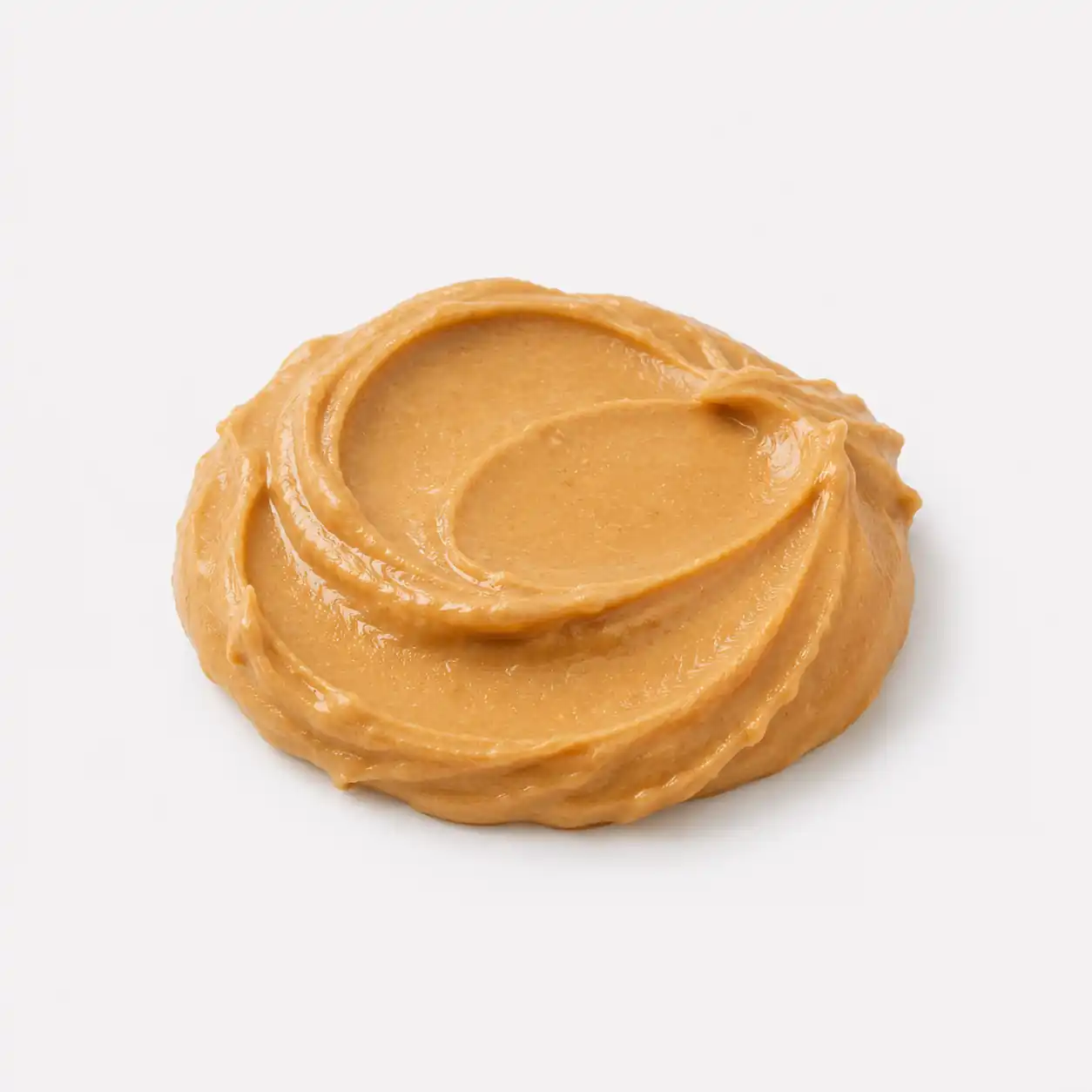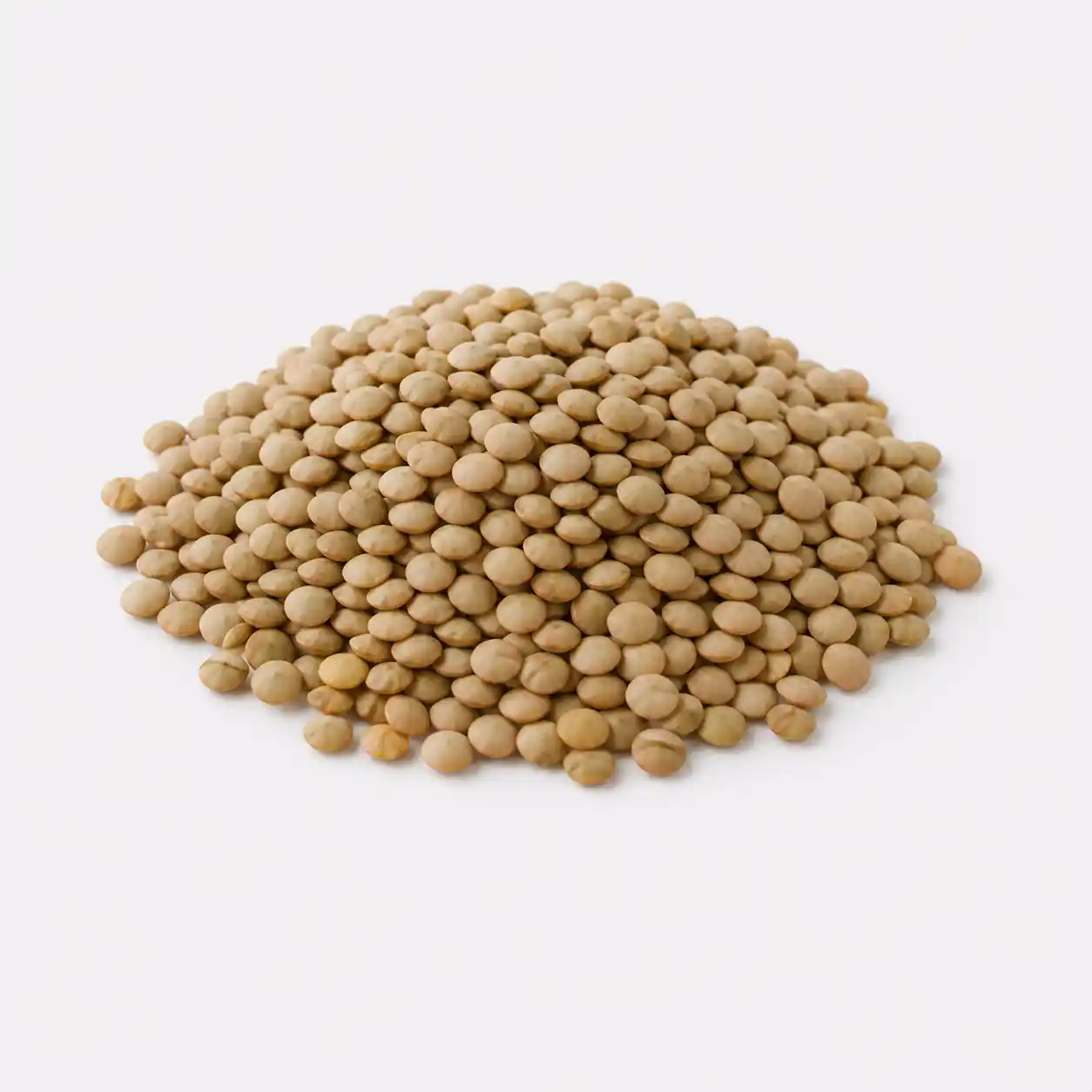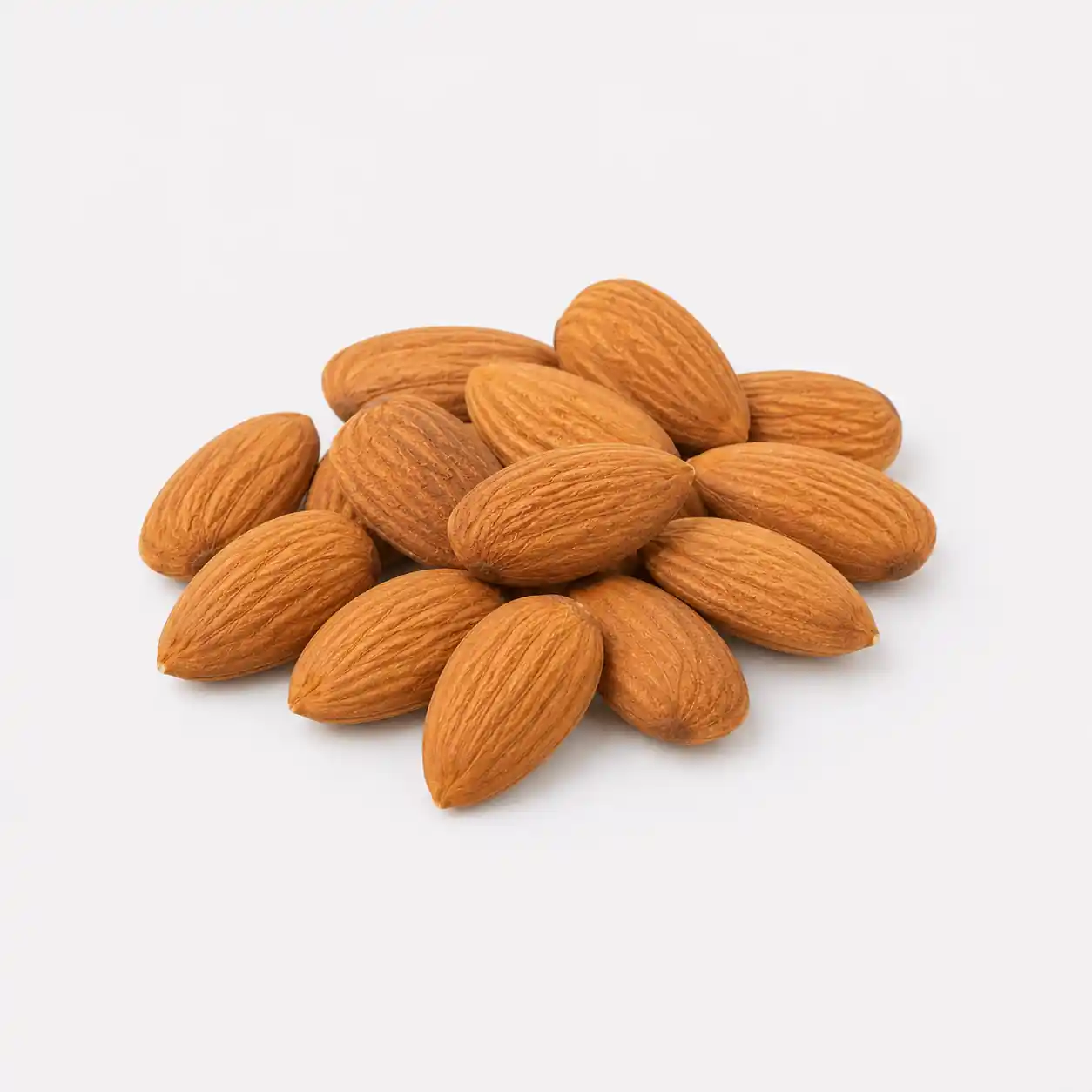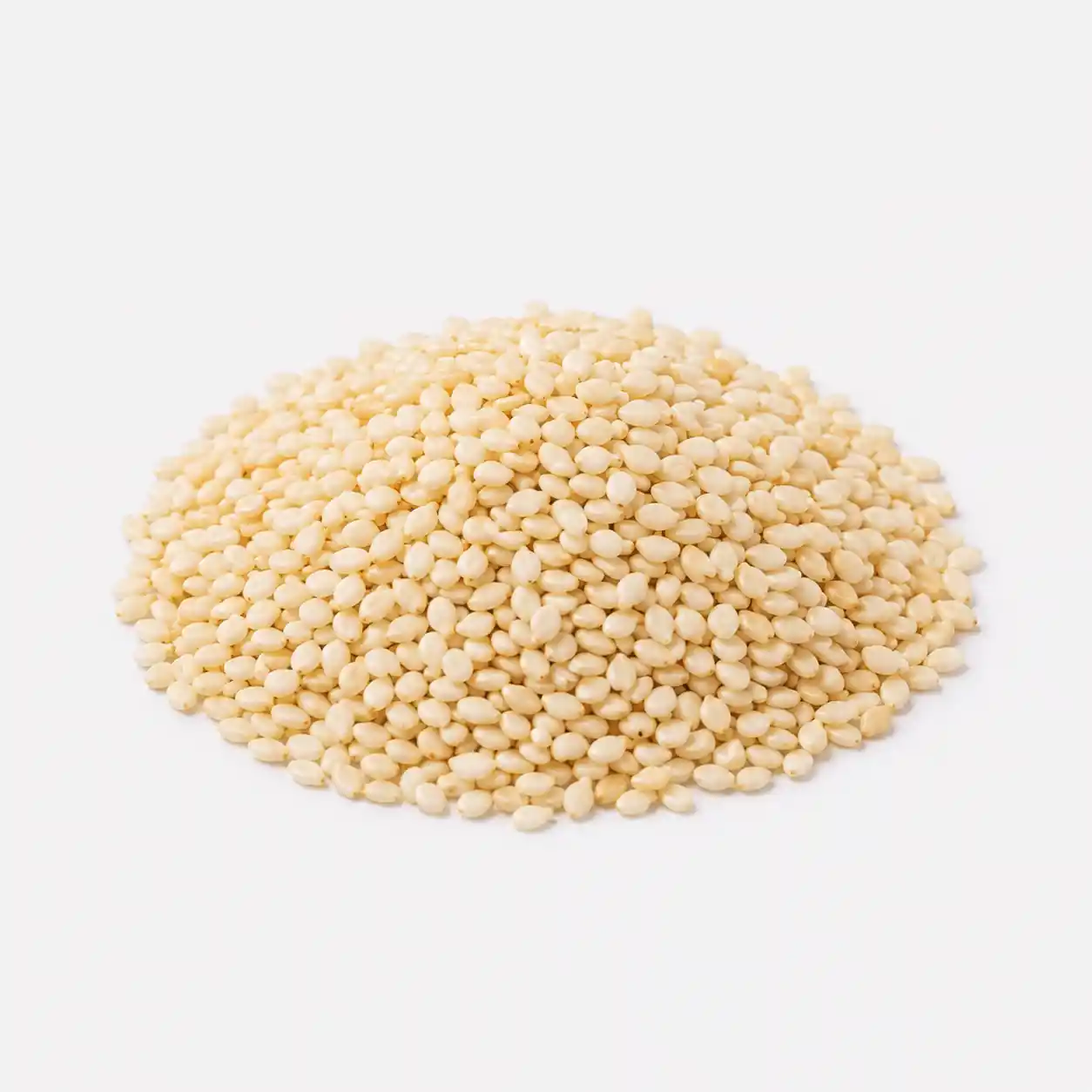
How to serve by age
6+ months
Cook until very soft and mash into a puree or a very soft, thick texture.
Offer a thick puree on a pre-loaded spoon or spread thinly on a soft food; don’t serve it in separate clumps.
9+ months
Offer them mashed and mixed with vegetable puree, cereal, or another soft food.
Offer them mashed and mixed into a soft food your baby holds.
12+ months
Use soft mashed peas in soups, sides, and family meals.
Use them in soft foods your child eats on their own; flatten whole peas first.
Choking risk
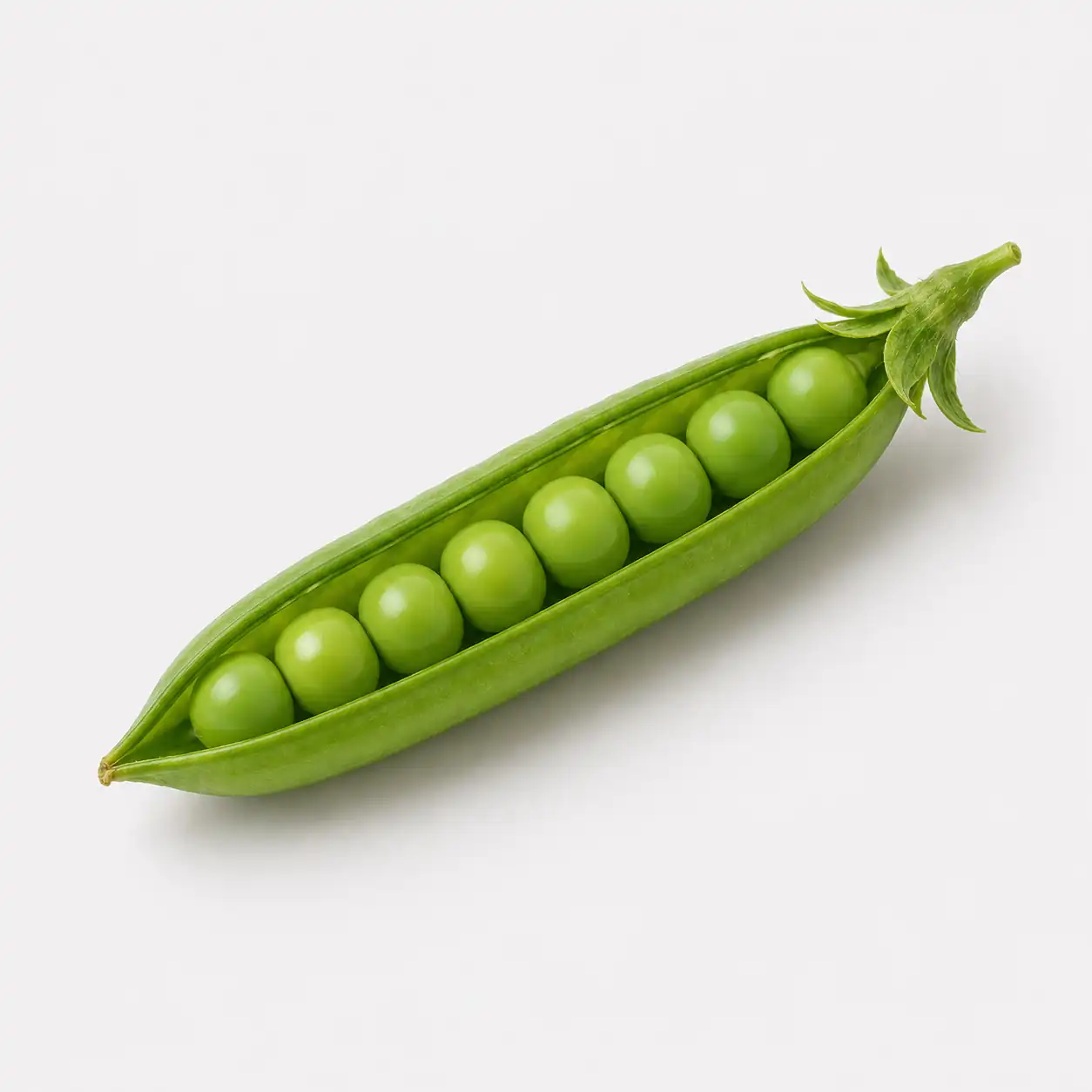
Whole green peas can be a choking hazard for young children because they’re round. Cook peas well, and mash or lightly squash them before serving when needed.
Keep your child sitting upright and stay with them throughout the meal.
Allergies
Green peas aren’t considered a common food allergen. Individual allergic reactions are still possible.
A vegetable with protein
100 g of cooked green peas has 5.2 g of protein, three times as much as cauliflower.
That’s USDA data: cooked cauliflower has 1.8 g of protein and zucchini has 1.1 g. The NIH lists peas among foods with iron, alongside beans, lentils, and spinach. 100 g of cooked peas has 1.5 mg of iron.
Fiber and vitamin A
The same portion has 4.5 g of fiber, almost twice as much as banana, and 105 mcg of vitamin A, about a fifth of the daily amount for babies 7 to 12 months old (500 mcg, according to the NIH). Peas are a little sweet, with 4.4 g of sugars per 100 g.
100 g of peas also has 59 mcg of folate, almost three quarters of the daily amount for babies 7 to 12 months old (80 mcg, according to the NIH), 24 mcg of vitamin K, 9.9 mg of vitamin C, and 0.7 mg of zinc, about a quarter of the daily need for children 7 to 24 months old (3 mg, according to the CDC).
Frozen or canned
According to USDA data, 100 g of frozen peas cooked without salt has 72 mg of sodium, while canned peas with their liquid have 185 mg, and seasoned canned peas have 254 mg. The NHS advises against salty food for babies and against salting cooking water. So frozen peas or no-salt-added canned peas work best: compare labels.
How much is a portion
The NHS gives an adult vegetable portion as 3 heaped tablespoons of cooked peas, corn, or carrots, and frozen and canned vegetables count the same as fresh. A baby’s portion is much smaller, so follow your baby’s appetite.
Sources · 19
This page is based on guidance from health organizations:
- WHO — Complementary feeding
- NHS — Your baby's first solid foods
- NHS — Feeding your baby from around 6 months
- NHS — 10 to 12 months feeding guidance
- NHS — Preparing food safely
- NHS — Choking and gagging on food
- NHS — Food allergies in babies and young children
- AAAAI — Food Allergy Overview
- USDA FoodData Central — Peas, green, frozen, cooked, boiled, without salt
- USDA FoodData Central — Cauliflower, cooked, boiled, without salt
- USDA FoodData Central — Squash, summer, zucchini, cooked, boiled, without salt
- USDA FoodData Central — Peas, green, canned, regular pack
- USDA FoodData Central — Peas, green, canned, seasoned
- NIH ODS — Iron
- NIH ODS — Vitamin A and Carotenoids
- NHS — Foods to avoid giving babies and young children
- NHS — 5 A Day portion sizes
- NIH ODS — Folate
- CDC — Zinc
For informational purposes only. Not medical advice. Decide on introducing foods, especially allergens, together with your pediatrician.