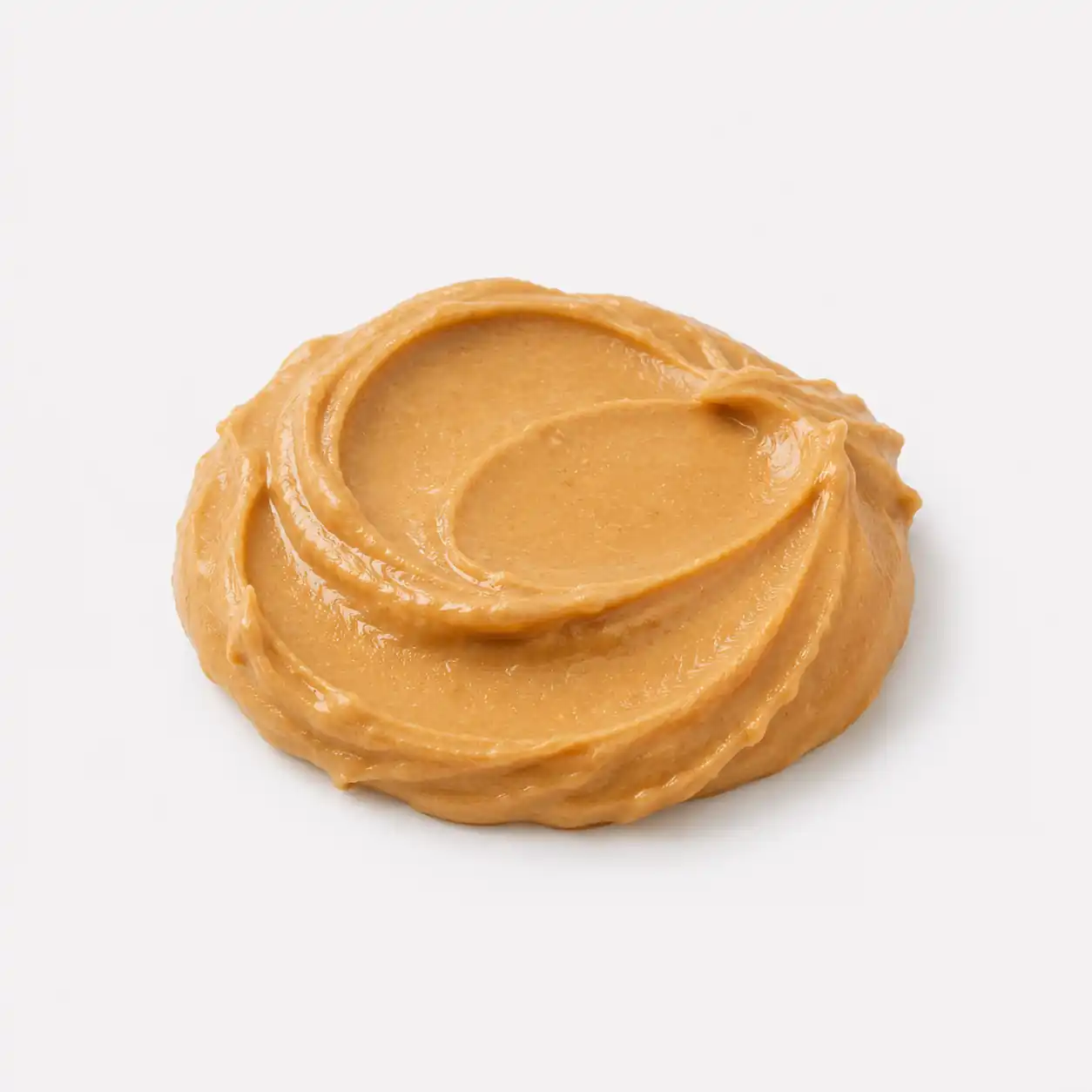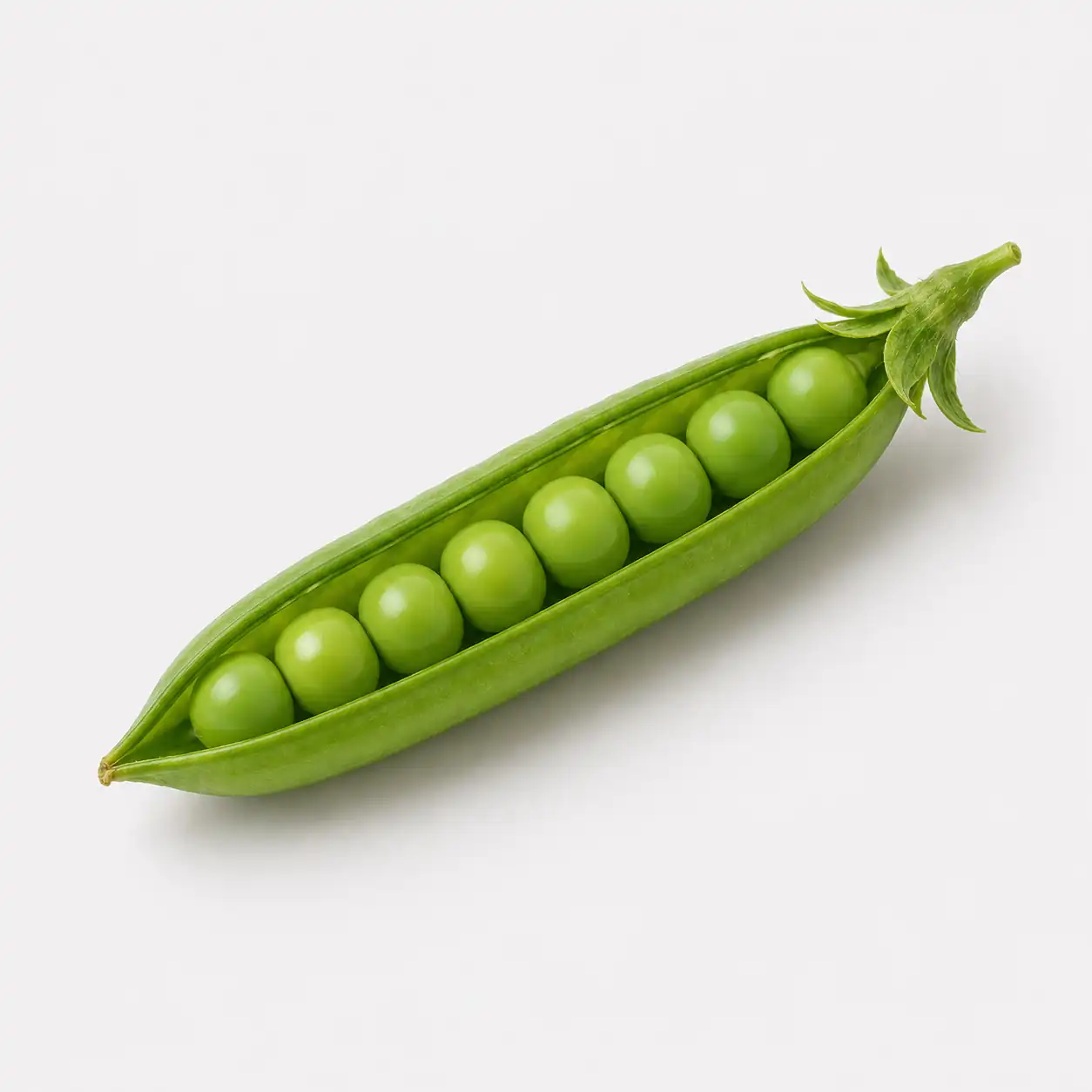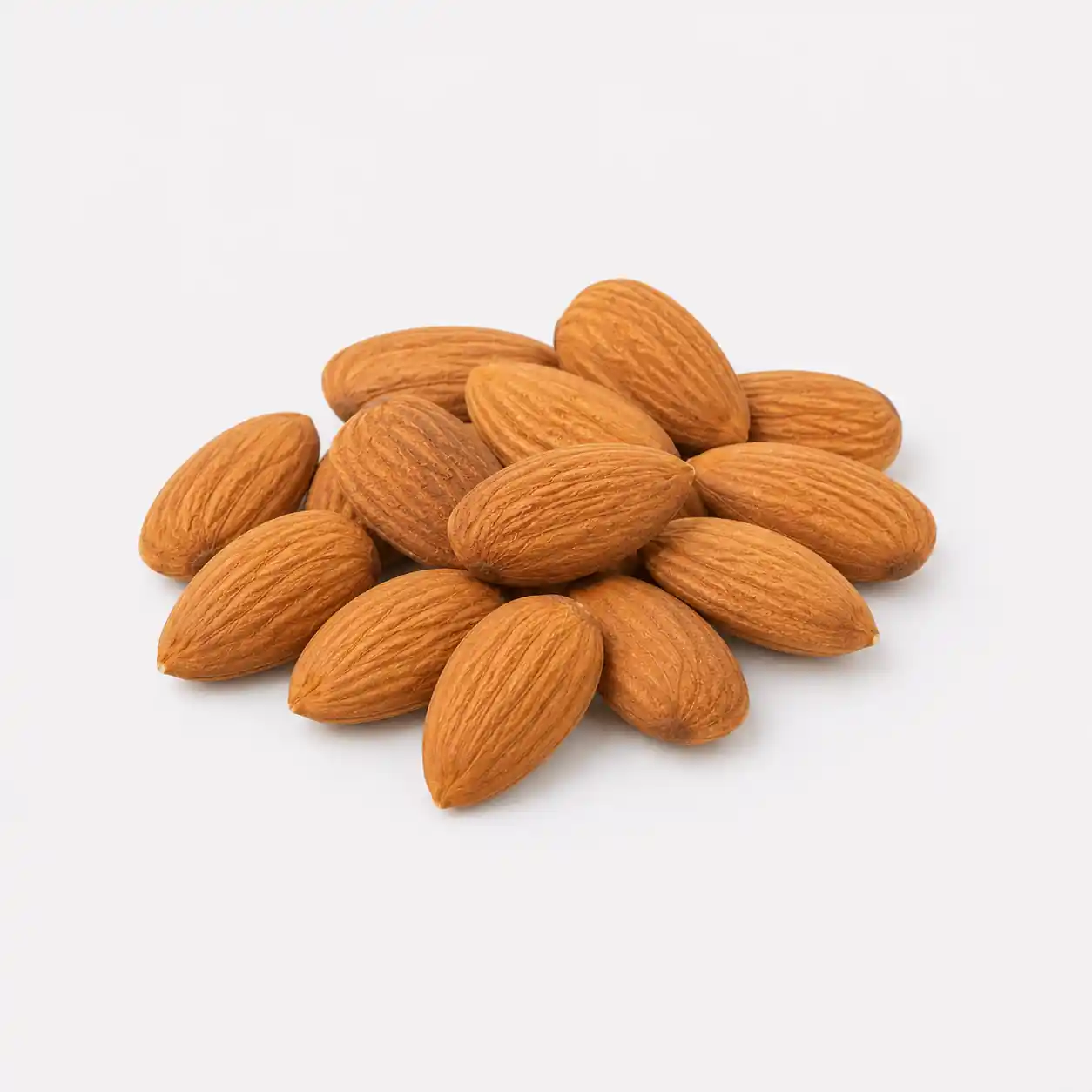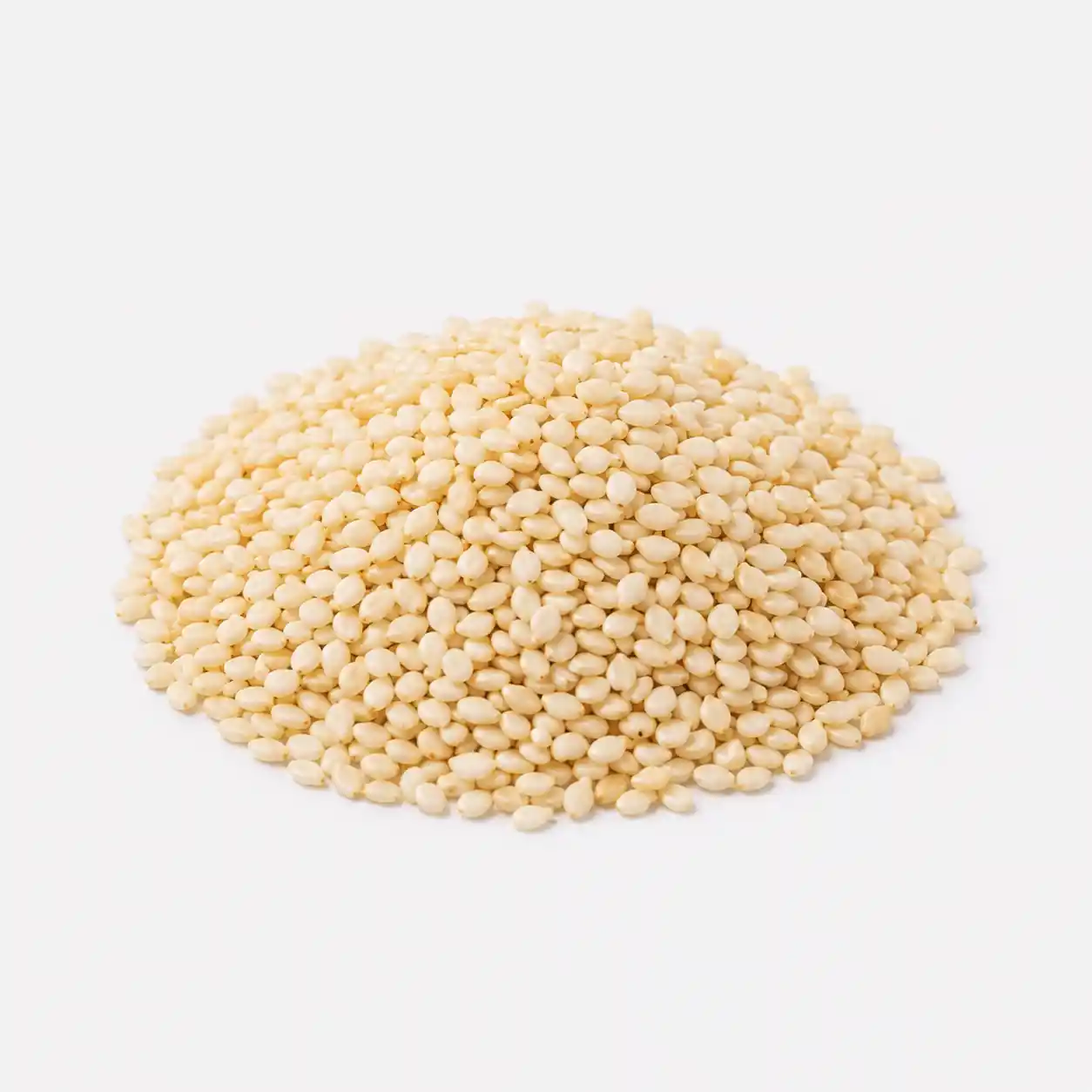
How to serve by age
6+ months
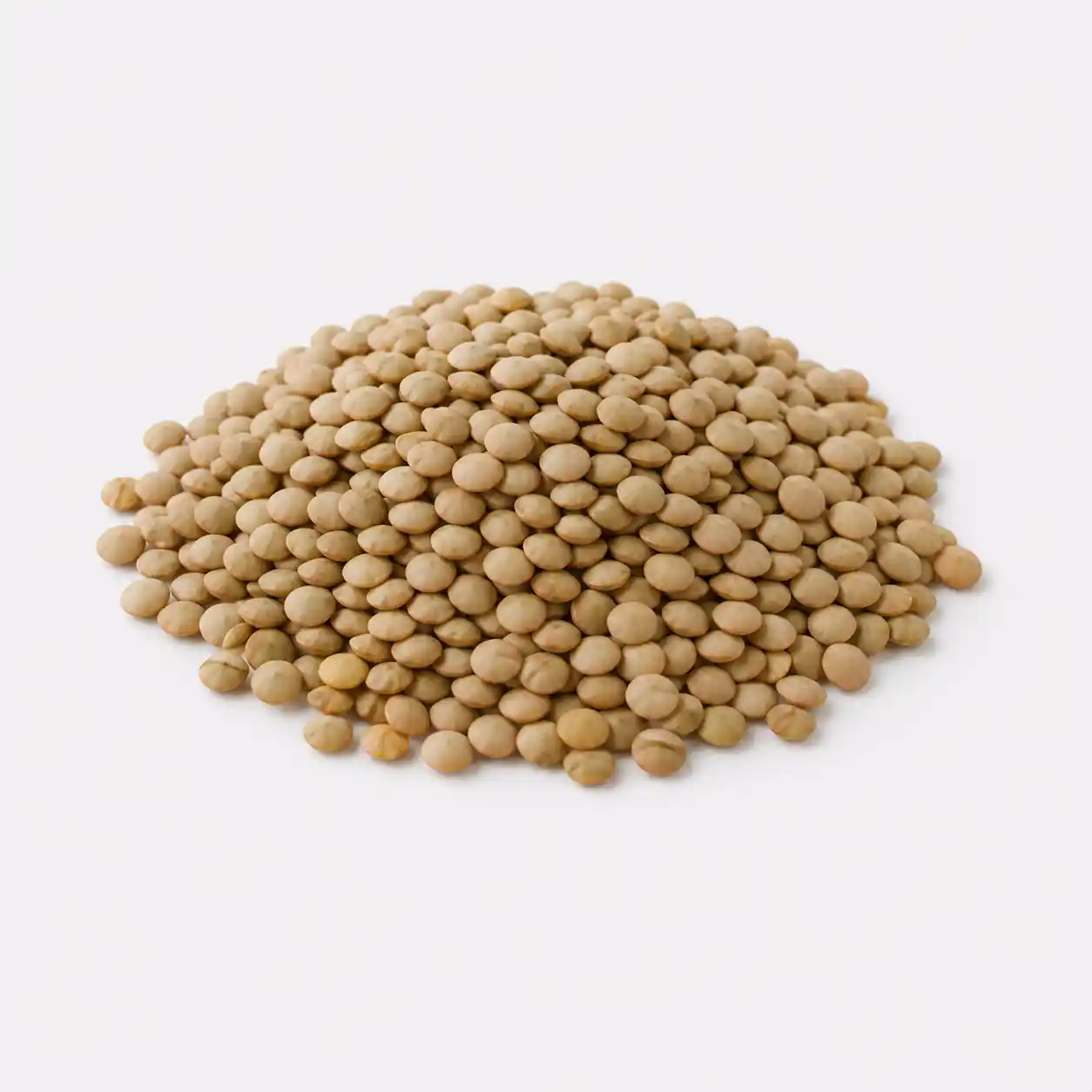
Cook until very soft and mash into a puree or a very soft, thick texture.
Offer a thick puree on a pre-loaded spoon or spread thinly on a soft food; don’t serve it in separate clumps.
9+ months
Offer them mashed and mixed with vegetable puree, cereal, or another soft food.
Offer them mashed and mixed into a soft food your baby holds.
12+ months
Use soft mashed legumes in soups, sides, and family meals.
Use them in soft foods your child eats on their own; flatten whole round legumes first.
Choking risk
Well-cooked soft lentils are usually a low choking risk.
To lower the risk:
- cook lentils until soft;
- avoid dry or firm textures;
- serve them in a form that suits your child’s age.
Keep your child sitting upright and stay with them throughout the meal.
Allergies
Individual allergic reactions are possible.
Protein and iron from a legume
100 g of cooked lentils has 9 g of protein and 3.3 mg of iron.
That’s USDA data. Lentils have more iron than the same weight of cooked ground beef (2.7 mg). Babies 7 to 12 months old need 11 mg of iron a day, according to the NIH.
Helping the iron absorb
According to the NIH, the body absorbs iron from plants less well than iron from meat, so vegetarians need almost twice as much. The NIH notes that iron from plant foods is absorbed better when eaten with meat, poultry, or seafood. So lentils with a little meat are a smart pairing, even for families who rarely eat meat.
Folate and fiber
100 g of cooked lentils has 181 mcg of folate, more than twice the daily amount for babies 7 to 12 months old (80 mcg, according to the NIH), and 7.9 g of fiber, three times as much as banana.
The same portion also has 369 mg of potassium, more than a third of the daily amount for babies 7 to 12 months old (860 mg), 36 mg of magnesium, almost half the daily amount (75 mg), and 1.3 mg of zinc, more than a third of the daily need for children 7 to 24 months old (3 mg, according to the CDC).
How much protein a day
The NHS reminds parents that young children need protein and iron to grow and develop, and calls beans and pulses excellent sources of both. It suggests giving your child at least 2 portions a day of protein from plant foods, such as beans, chickpeas, lentils, or tofu, or 1 portion from animal foods: meat, fish, or eggs. Lentils help cover that on meat-free days.
Sources · 15
This page is based on guidance from health organizations:
- WHO — Complementary feeding of infants and young children
- NHS — Your baby's first solid foods
- WHO — Complementary feeding
- CDC — Choking Hazards
- NHS — Preparing food safely for babies
- NHS — Food allergies in babies and young children
- USDA FoodData Central — Lentils, mature seeds, cooked, boiled, without salt
- USDA FoodData Central — Beef, ground, 85% lean, cooked
- USDA FoodData Central — Bananas, raw
- NIH ODS — Iron
- NIH ODS — Folate
- NHS — What to feed young children
- NIH ODS — Potassium
- NIH ODS — Magnesium
- CDC — Zinc
For informational purposes only. Not medical advice. Decide on introducing foods, especially allergens, together with your pediatrician.