How to serve papaya at 6 and 9 months
Ages are approximate; go by your baby’s skills.
Ages are approximate; go by your baby’s skills.
6+ months
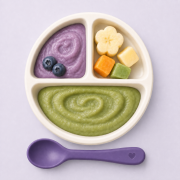
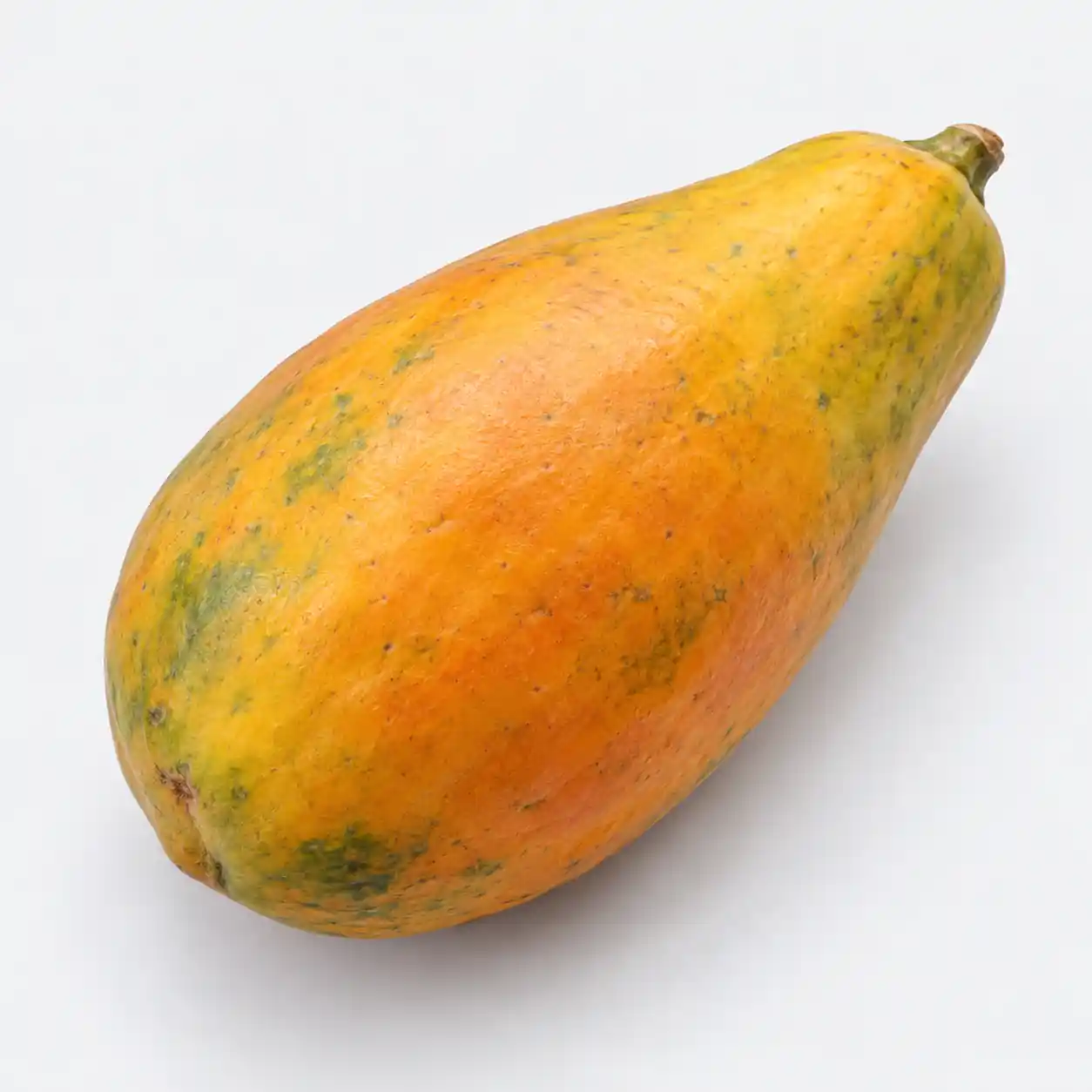
Wash the fruit and remove the skin and all seeds. Mash the peeled, ripe flesh or blend it into a puree with a texture your baby can manage.
Wash the fruit and remove the skin and all seeds. When your baby can grasp food and bring it to their mouth, offer peeled flesh in long, graspable pieces that squash easily between your fingers. If the pieces are too slippery for your baby to hold, offer mashed flesh on a pre-loaded spoon.
9+ months
When your baby can manage soft pieces, cut ripe flesh with the skin and seeds removed into small, soft pieces and offer them from a spoon.
Once your baby has developed a pincer grasp, offer small, soft pieces of ripe papaya with the skin and seeds removed.
Choking risk
Remove the skin and all seeds. Avoid firm pieces of unripe fruit.
Keep your child sitting upright and stay with them throughout the meal.
Allergies
Allergic reactions to papaya are possible. Some people with latex allergy also react to this fruit. This does not mean every child will react; if your child has a known latex allergy, discuss introduction with an allergist.
Vitamin C
100 g of papaya has 60.9 mg of vitamin C, more than babies 7 to 12 months old need in a day.
That’s USDA data; babies 7 to 12 months old need 50 mg of vitamin C a day, according to the NIH. Even a few spoonfuls of mashed papaya cover a good part of what your baby needs.
Lycopene in the red flesh
Papaya’s red-orange flesh gets its color from carotenoid pigments. One of them is lycopene: 1,828 mcg per 100 g of papaya, according to USDA data. That’s close to tomatoes, which have 2,573 mcg per 100 g. Lycopene doesn’t turn into vitamin A; papaya’s vitamin A comes from beta-carotene, 47 mcg per 100 g, according to USDA data.
Folate
100 g of papaya has 37 mcg of folate, almost half the daily amount for babies 7 to 12 months old (80 mcg, according to the NIH). Folate is needed for cell division and growth.
Papaya in syrup
Canned papaya in heavy syrup is closer to a dessert. According to USDA data, 100 g of it, drained, has 52.2 g of sugars compared with 7.8 g in fresh papaya, and 3.5 mg of vitamin C instead of 60.9 mg. For your baby, fresh ripe papaya with no sugar is the way to go.
Sources · 13
This page is based on guidance from health organizations:
- NHS — From around 6 months
- Norwegian Food Composition Table — Papaya, raw
- NHS — Preparing food safely for babies
- CDC — Choking Hazards
- NHS — 7 to 9 months
- Anaphylaxis UK — Latex allergy
- AAAAI — Food Allergy
- USDA FoodData Central — Papayas, raw
- USDA FoodData Central — Papaya, canned, heavy syrup, drained
- USDA FoodData Central — Tomatoes, red, ripe, raw, year round average
- NIH ODS — Vitamin C
- NIH ODS — Vitamin A and Carotenoids
- NIH ODS — Folate
For informational purposes only. Not medical advice. Decide on introducing foods, especially allergens, together with your pediatrician.