How to serve zucchini at 6 and 9 months
Ages are approximate; go by your baby’s skills.
Ages are approximate; go by your baby’s skills.
6+ months
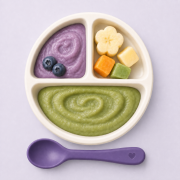
Remove tough skin and any large hard seeds. Steam, boil, or stew the zucchini until completely soft. Mash or puree it; serve on its own or with potatoes, meat, or fish.
Remove tough skin and any large hard seeds. Cut the zucchini lengthwise into long sticks that stick out of the fist and cook them until soft: they should squish easily between your fingers. Another option is soft, fully cooked zucchini pancakes cut into long strips.
9+ months
If your baby manages soft pieces, offer small soft pieces of cooked zucchini on their own, in a vegetable stew, or in a thick soup.
Once your baby has a pincer grasp, offer small soft pieces of cooked zucchini or zucchini pancakes.
Choking risk
Raw or undercooked zucchini can be hard for babies to swallow safely. Cook zucchini until soft and cut it into pieces that suit your child’s age.
Keep your child sitting upright and stay with them throughout the meal.
Allergies
Individual allergic reactions are possible.
Don’t eat bitter zucchini
Zucchini contains natural bitter toxins. Levels are usually low but can rise depending on the variety and growing conditions. Germany’s Federal Institute for Risk Assessment (BfR) has reported a fatal poisoning from bitter zucchini and advises treating an unusually bitter taste as a sign it isn’t safe to eat. Before cooking, taste a small piece raw: if it’s bitter, don’t use it.
Homegrown zucchini
The bitterness comes from cucurbitacins, compounds made by various plants in the squash family. According to the BfR, varieties grown for eating have had this ability bred out of them. The poisoning cases that German state authorities warned about involved zucchini and pumpkins from home gardens. Such poisoning usually shows up as stomach and gut upset: vomiting, diarrhea, and belly pain. Sometimes the symptoms last several days. If your child has these symptoms after eating zucchini, see a doctor.
Mostly water
100 g of zucchini is 95 g of water.
That’s USDA data. That’s why zucchini puree comes out thin and very mild. It mixes well with denser foods like grains, potato, or meat.
Zucchini and ragweed pollen
The American Academy of Allergy, Asthma & Immunology (AAAAI) notes that people allergic to ragweed pollen may get symptoms after eating banana, cucumber, melon, and zucchini. This is oral allergy syndrome, usually an itchy or swollen mouth after raw fruits and vegetables. If it happens with cooked zucchini too, see a doctor.
The skin
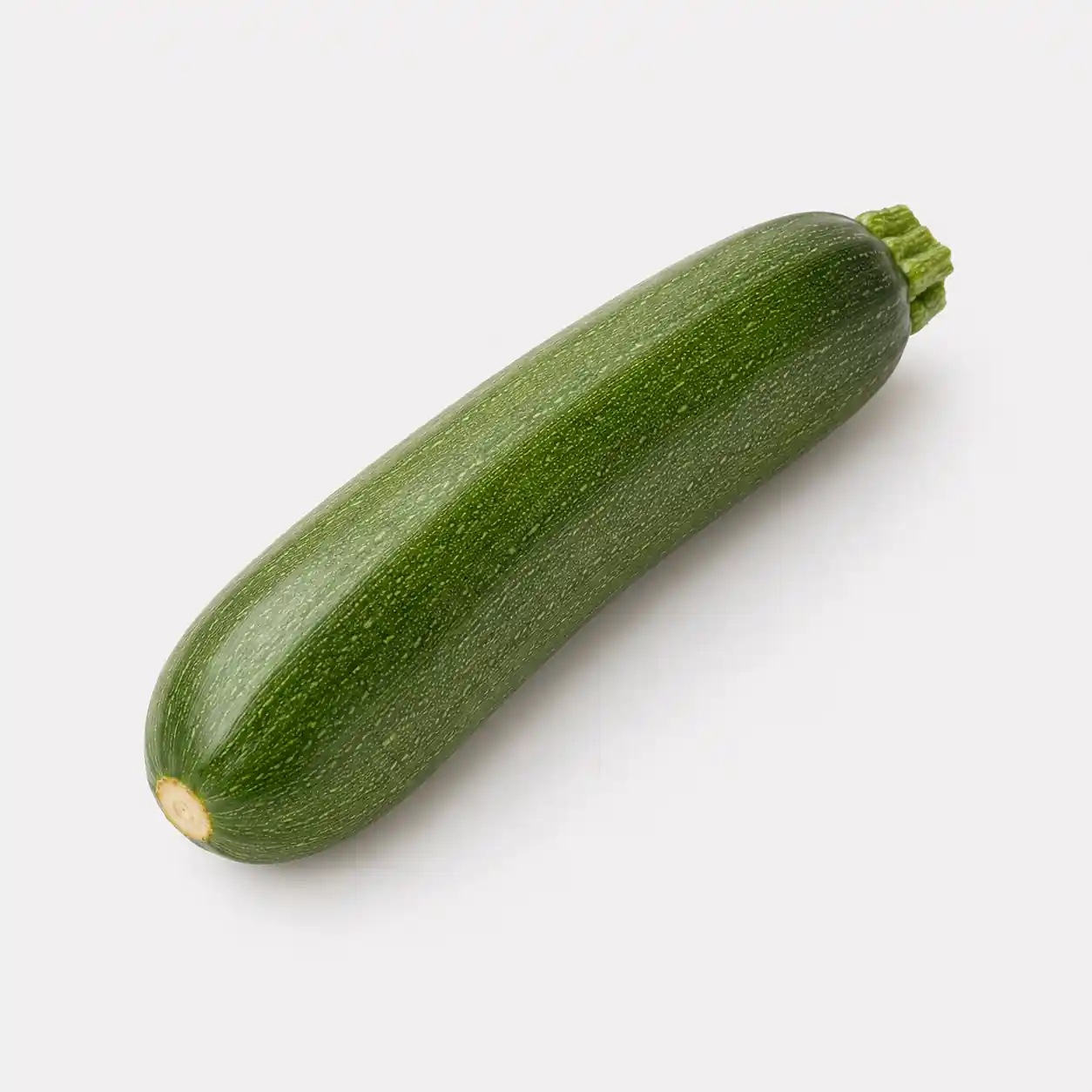
Wash zucchini before cooking, even if you plan to peel it. The FDA advises scrubbing firm produce with skins, such as cucumbers, with a clean produce brush under running water, and that works for zucchini too.
Sources · 11
This page is based on guidance from health organizations:
- CDC — When, What, and How to Introduce Solid Foods
- NHS — From around 6 months
- USDA FoodData Central — Squash, summer, zucchini, includes skin, raw
- NHS — Preparing food safely for babies
- NHS — Your baby's first solid foods
- AAP — When Can Babies Start Solid Foods?
- NHS — Food allergies in babies and young children
- BfR — Caution when eating bitter-tasting courgettes
- FDA — 7 Tips for Cleaning Fruits, Vegetables
- BfR — Vorsicht beim Verzehr von bitteren Zucchini
- AAAAI — Oral Allergy Syndrome
For informational purposes only. Not medical advice. Decide on introducing foods, especially allergens, together with your pediatrician.