How to serve avocado at 6 and 9 months
Ages are approximate; go by your baby’s skills.
6+ months
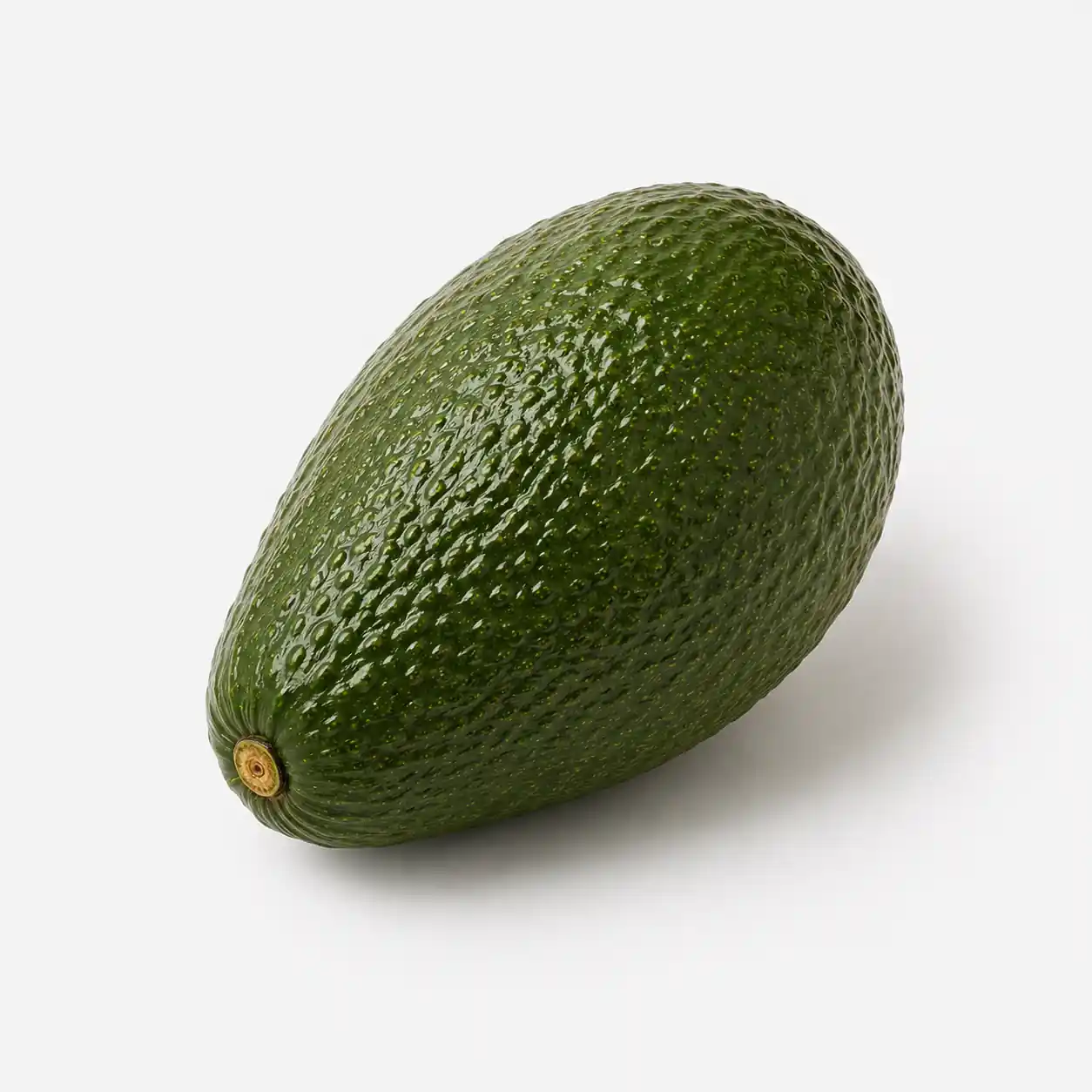
Cut a ripe avocado and remove the pit and peel. Offer the raw flesh mashed with a fork or pureed. Choose fruit whose flesh crushes easily with a fork: avocado doesn’t need to be boiled or baked. A hard, unripe avocado isn’t suitable for serving this way.
Offer ripe avocado, peeled and pitted, as a large long wedge that’s easy to hold in the palm. The flesh should squish easily between your fingers. Another option is mashed avocado on a pre-loaded spoon.
9+ months
Once your baby has developed a pincer grasp, offer small soft pieces of avocado.
10–12 months: when your baby starts scooping food with a spoon, you can offer a soft avocado half, peeled and pitted, and show how to scoop out the flesh.
Choking risk
Avocado is naturally soft, but when your baby is starting solids, serve it in a form that matches their age and skills. Avoid large firm chunks.
Keep your child sitting upright and stay with them throughout the meal.
Allergies
Avocado isn’t considered a major food allergen. However, people with a latex allergy may cross-react to avocado. Individual reactions are possible.
A fruit full of fat
100 g of avocado has 14.7 g of fat, 9.8 g of it monounsaturated.
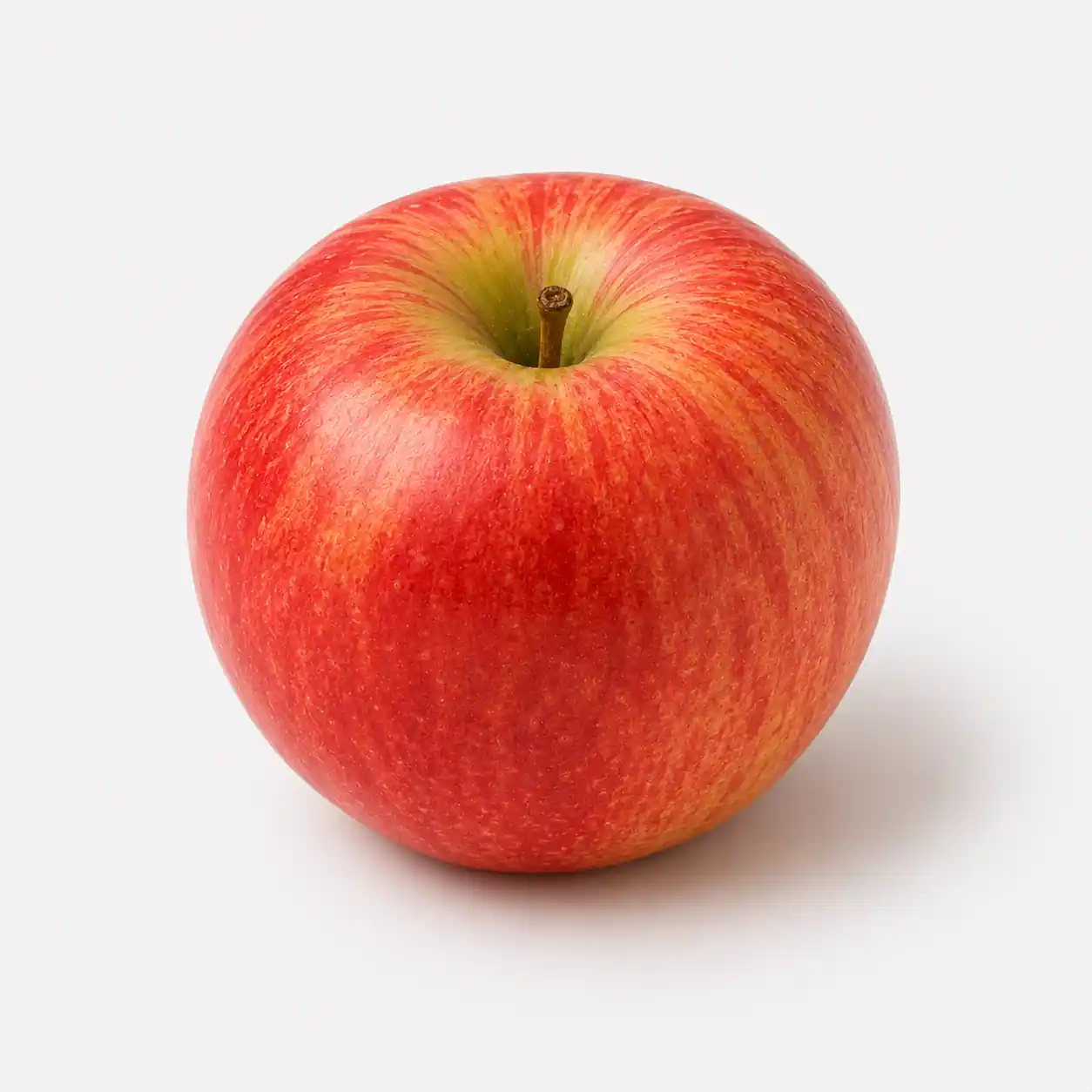
That’s USDA data. Only 2.1 g of that is saturated fat. For comparison, an apple has 0.2 g of fat per 100 g. Avocado is soft, needs no cooking, and has a mild flavor.
The American Academy of Pediatrics (AAP) lists avocado among sources of healthy fats, along with nuts, seeds, olives, and olive oil.
Fiber
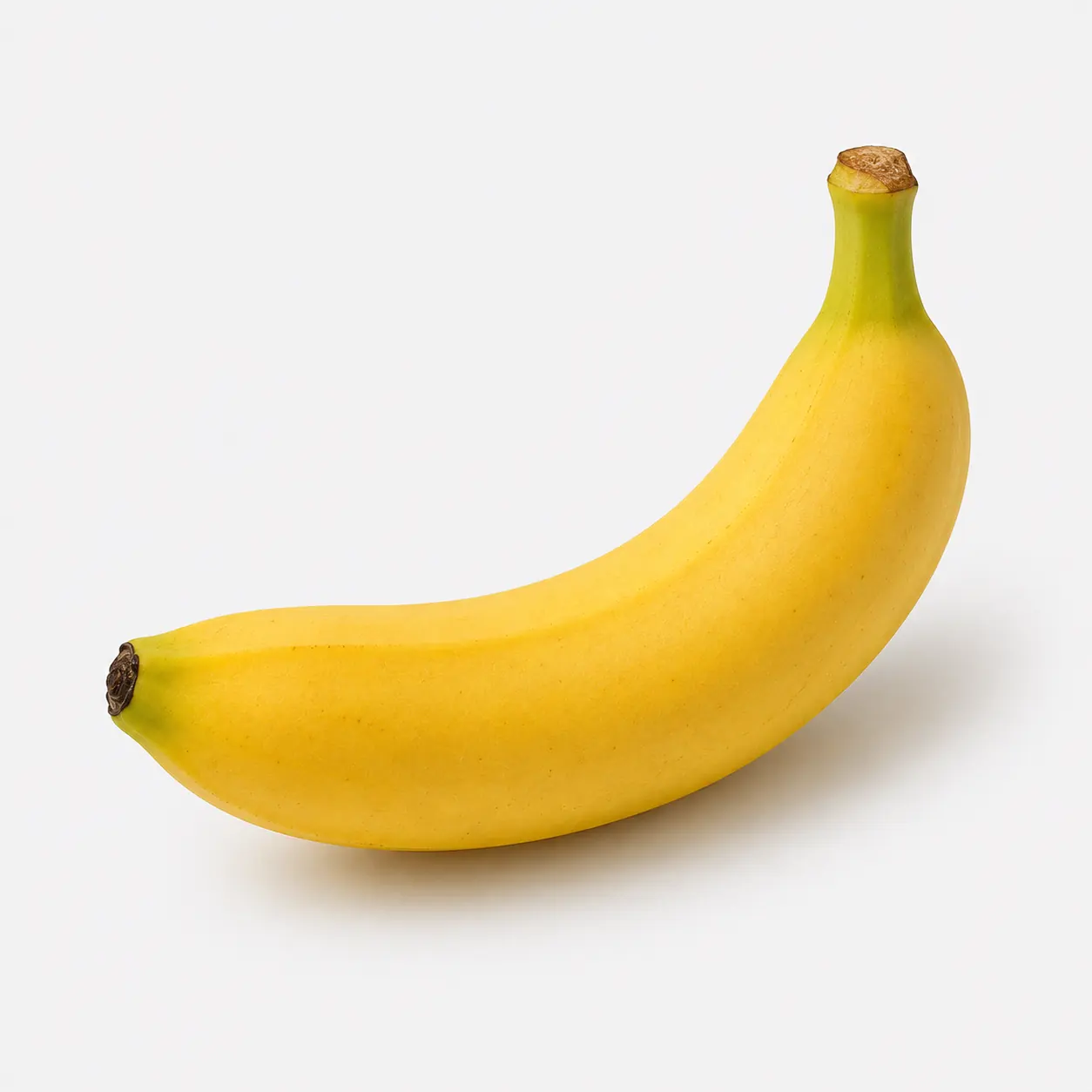
The same amount of avocado has 6.7 g of fiber, according to USDA data, more than a banana (2.6 g) or an apple with the peel (2.4 g).
Avocado is high in potassium too: 485 mg per 100 g, more than banana (358 mg). And there’s almost no sugar: 0.7 g per 100 g.
Folate
100 g of avocado has 81 mcg of folate, according to USDA data, which is what a baby 7 to 12 months old needs in a day (80 mcg, according to the NIH). Folate is a B vitamin: the body needs it to make DNA and for cells to divide.
Vitamin E
The same portion has 2.1 mg of vitamin E, about 40% of the daily amount for babies 7 to 12 months old (5 mg). According to the NIH, vitamin E is fat-soluble and acts as an antioxidant, helping protect cells from damage caused by free radicals.
Vitamin B5
100 g of avocado has 1.4 mg of pantothenic acid, also called vitamin B5, according to USDA data, about three quarters of the daily amount for babies 7 to 12 months old (1.8 mg, according to the NIH). This vitamin helps turn food into energy, and the NIH names avocados among its sources. The same portion has 10 mg of vitamin C, a fifth of the daily amount (50 mg).
Sources · 16
This page is based on guidance from health organizations:
- CDC — When, What, and How to Introduce Solid Foods
- NHS — From around 6 months
- USDA FoodData Central — Avocados, raw, all commercial varieties
- NIDDK — Eating, Diet, & Nutrition for Constipation in Children
- NHS — Your baby's first solid foods
- CDC — Fingers, Spoons, Forks, and Cups
- NHS — Foods to avoid giving babies and young children
- AAP — When Can Babies Start Solid Foods?
- ASCIA — Latex Allergy
- USDA FoodData Central — Apples, raw, with skin
- USDA FoodData Central — Bananas, raw
- NIH ODS — Folate
- NIH ODS — Vitamin E
- AAP — Plant-Based Diets
- NIH ODS — Pantothenic Acid
- NIH ODS — Vitamin C
For informational purposes only. Not medical advice. Decide on introducing foods, especially allergens, together with your pediatrician.