How to serve banana at 6 and 9 months
Ages are approximate; go by your baby’s skills.
Ages are approximate; go by your baby’s skills.
6+ months
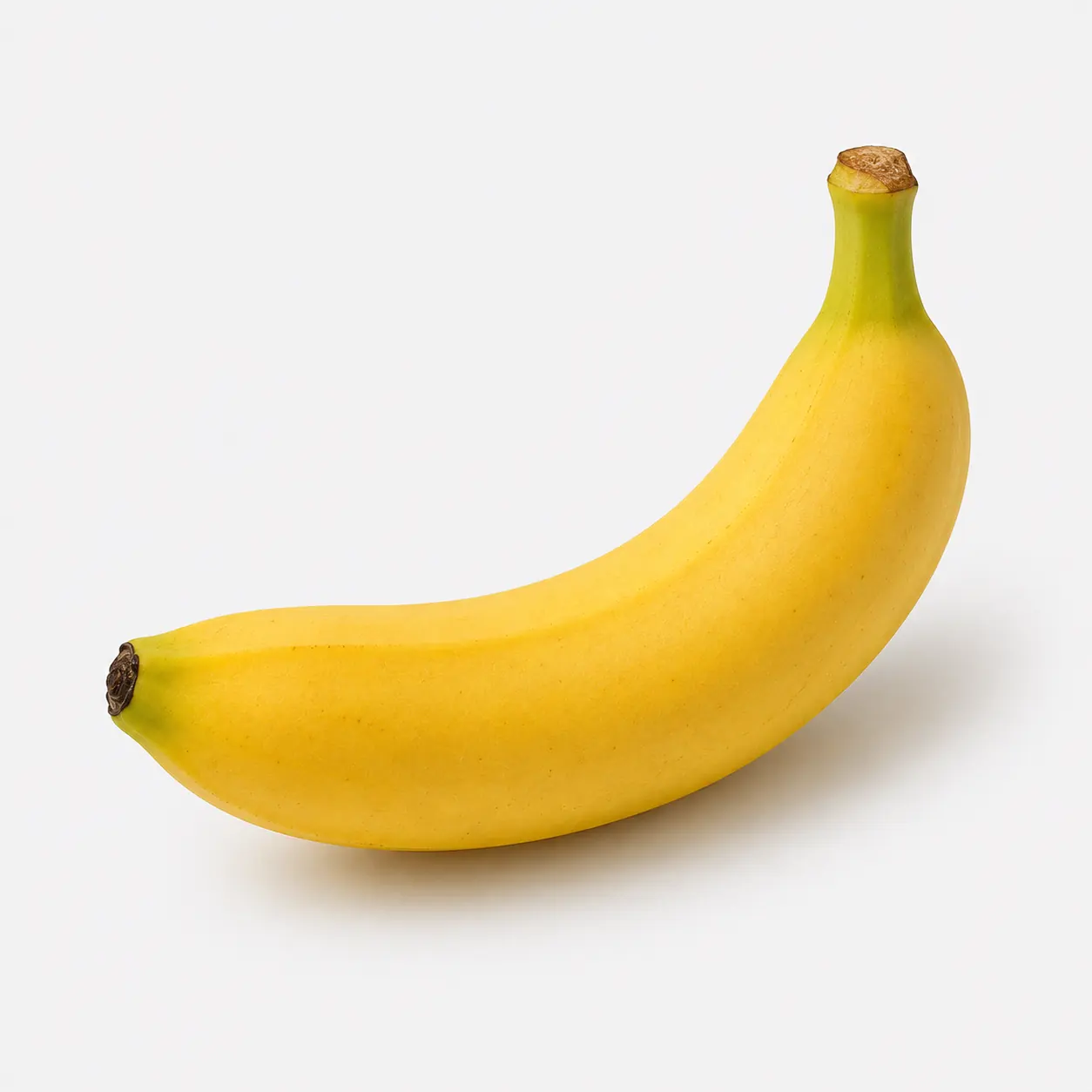
Peel a ripe, soft banana. Offer the raw flesh mashed with a fork or pureed; no cooking is needed. You can mash the banana right before serving, without adding any liquid.
Offer peeled, ripe, soft banana as a large long piece that’s easy to hold in the palm. Cut the banana lengthwise, then adjust the length so part of the piece sticks out of your baby’s fist. Another option is mashed banana on a pre-loaded spoon.
9+ months
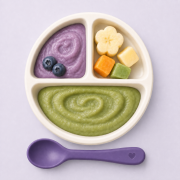
If your baby manages soft pieces, offer ripe banana in small pieces without mashing. Serve it on its own or add it to cereal or plain yogurt.
Once your baby has developed a pincer grasp, offer small soft pieces of banana.
Choking risk
Banana is naturally soft, but when your baby is starting solids, serve it in a form that matches their age and skills. Avoid large firm chunks.
Keep your child sitting upright and stay with them throughout the meal.
Allergies
Banana isn’t considered a major food allergen. However, people with a latex allergy may cross-react to banana. Individual reactions are possible.
Sweet, but not “sugar”
Bananas have 12 g of sugars per 100 g, according to USDA data. But the NHS doesn’t count the sugar naturally found in whole fruit as free sugar, the kind worth limiting. Juice and smoothies are a different story: their sugar does count as free sugar.
Banana instead of sugar
US guidance says children under 2 should avoid foods with added sugars. Mashed ripe banana helps here: use it to sweeten cereal, plain yogurt, or homemade pancakes and muffins without sugar. The riper the banana, the sweeter and softer it gets.
Potassium and fiber
100 g of banana has 358 mg of potassium and 2.6 g of fiber.
That’s USDA data. According to the NIH, potassium helps muscles, nerves, kidneys, and the heart work. And bananas need no cooking: just mash or slice.
Vitamin B6
100 g of banana has 0.37 mg of vitamin B6, according to USDA data, more than a baby 7 to 12 months old needs in a day (0.3 mg, according to the NIH). Vitamin B6 takes part in more than 100 enzyme reactions in metabolism, in brain development during infancy, and in immune function.
The same portion has 27 mg of magnesium, more than a third of the daily amount for babies 7 to 12 months old (75 mg). According to the NIH, magnesium helps muscles and nerves work, helps regulate blood sugar, and is needed to make protein, bone, and DNA.
Banana chips are a different food
Store-bought banana chips have little in common with fresh banana. According to USDA data, 100 g of banana chips has 519 calories, 33.6 g of fat, and 35 g of sugars. Fresh banana has 89 calories, 0.3 g of fat, and 12 g of sugars. For your baby, stick with fresh banana.
Sources · 15
This page is based on guidance from health organizations:
- CDC — When, What, and How to Introduce Solid Foods
- NHS — From around 6 months
- USDA FoodData Central — Bananas, raw
- NHS — Your baby's first solid foods
- NHS — Help your baby enjoy new foods
- AAP — Baby-Led Weaning: Is It Safe?
- NHS — Foods to avoid giving babies and young children
- AAP — When Can Babies Start Solid Foods?
- AAAAI — Latex Allergy
- NHS — Sugar: the facts
- Dietary Guidelines for Americans — Cut Down on Added Sugars
- NIH ODS — Potassium
- USDA FoodData Central — Snacks, banana chips
- NIH ODS — Vitamin B6
- NIH ODS — Magnesium
For informational purposes only. Not medical advice. Decide on introducing foods, especially allergens, together with your pediatrician.