How to serve strawberry at 6 and 9 months
Ages are approximate; go by your baby’s skills.
Ages are approximate; go by your baby’s skills.
6+ months
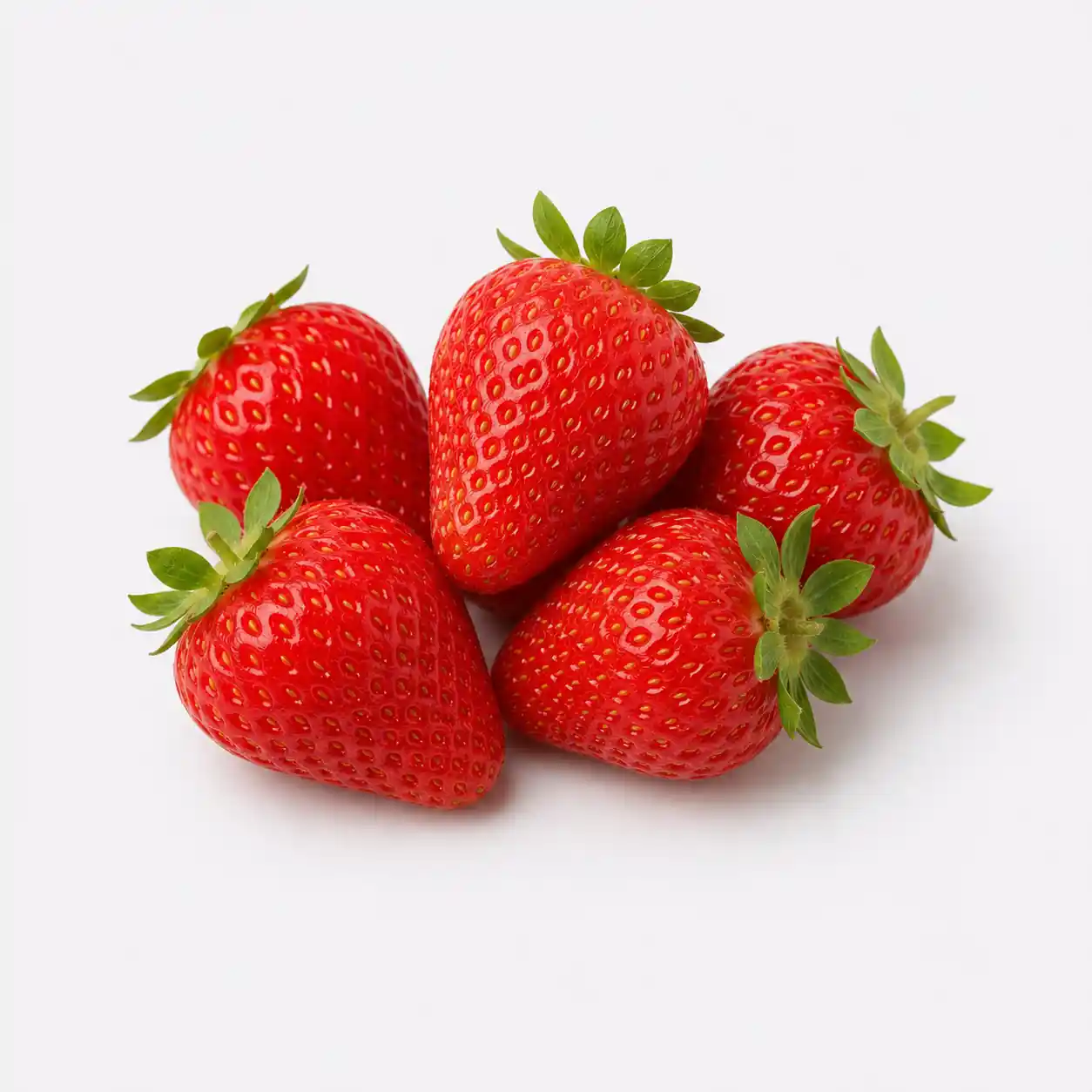
Wash soft, ripe strawberries, remove the green tops, and mash them. Serve on their own or with cereal, plain yogurt, or fruit puree. Soft, ripe berries don’t need cooking.
Cut soft, ripe strawberries lengthwise into quarters. If the pieces are long enough to stick out of the fist, your baby can hold them in their palm. If the berries are small and the pieces are hard to hold, offer mashed strawberries on a pre-loaded spoon.
9+ months
If your baby manages soft pieces, offer small soft pieces of strawberry on their own or in a dish.
Once your baby has a pincer grasp, offer soft strawberries cut lengthwise into quarters; split large pieces into small soft parts if needed.
Choking risk
Large or firm pieces of strawberry can be hard for young children to chew safely.
To lower the risk:
- mash strawberries for younger babies;
- cut them into small soft pieces;
- remove any tough parts if needed.
Keep your child sitting upright and stay with them throughout the meal.
Allergies
Strawberries aren’t one of the major food allergens, but a strawberry allergy is possible. Redness only where the berry touched the skin may be contact irritation, especially with eczema. Gently wash off any food residue and keep an eye on your baby. Hives, swelling, or repeated vomiting need medical evaluation; if your child has trouble breathing, call emergency services.
Redness around the mouth
Babies often get red skin around the mouth after strawberries. It’s usually not an allergy but irritation from the acidic juice; tomatoes and citrus fruit do the same. An NHS allergy service notes that the food doesn’t need to come out of the diet. A thin layer of petroleum jelly or moisturizer before meals and a wipe with a damp cloth afterward can help.
Allergy looks different: hives on the face, a swollen lip, or vomiting. If your baby has trouble breathing, wheezes, coughs persistently, or turns floppy, call emergency services right away.
Vitamin C
100 g of strawberries has 59 mg of vitamin C. Babies 7 to 12 months old need about 50 mg a day.
That’s from USDA data and the NIH Office of Dietary Supplements. A few berries a day go a long way toward your baby’s vitamin C needs.
Strawberries and iron
Iron from plants and fortified cereals is harder to absorb than iron from meat. According to the NIH, vitamin C helps, and strawberries are on its list of foods that do the job. Babies 7 to 12 months old need about 11 mg of iron a day, so mashed strawberries stirred into iron-fortified cereal make a smart pairing.
One of the least sweet berries
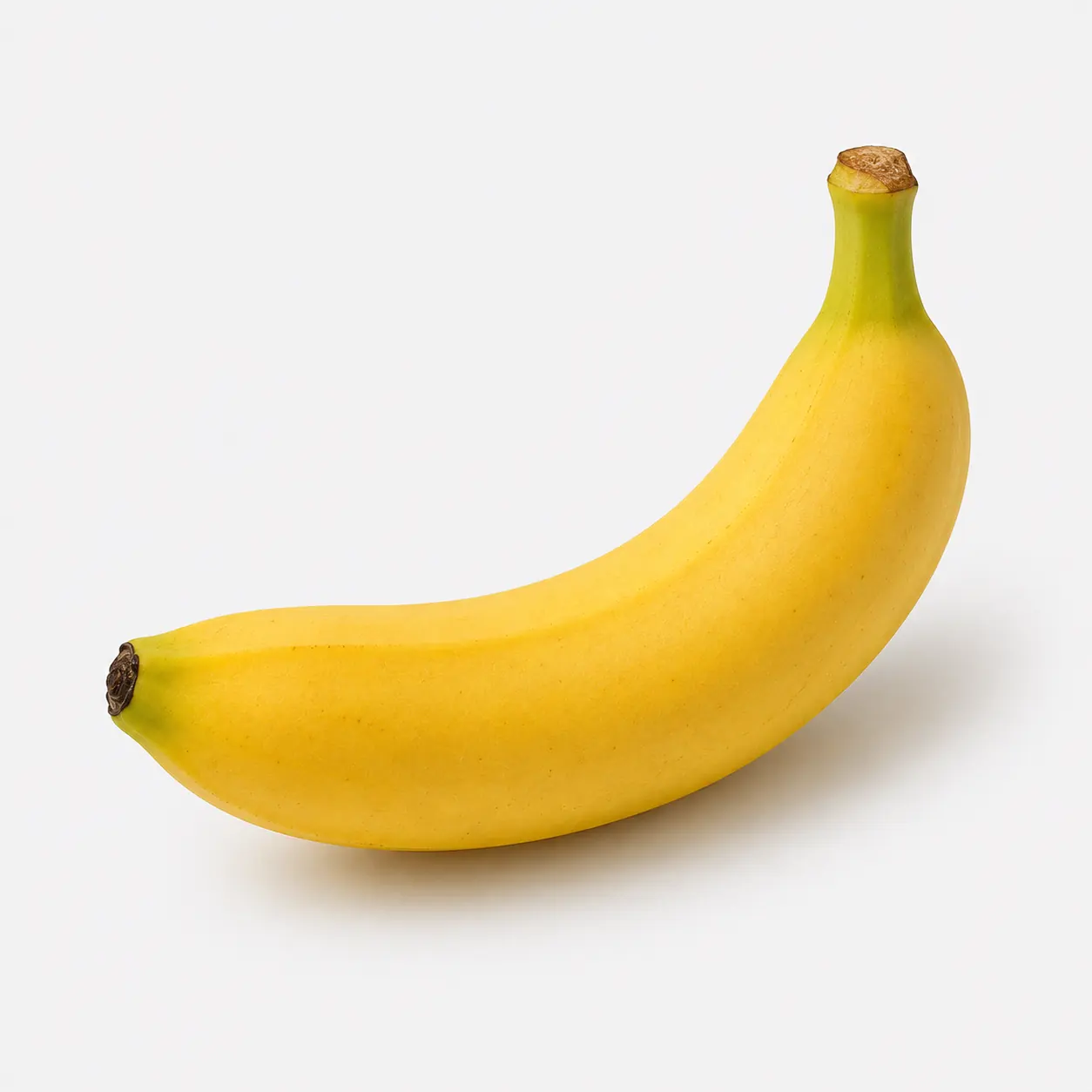
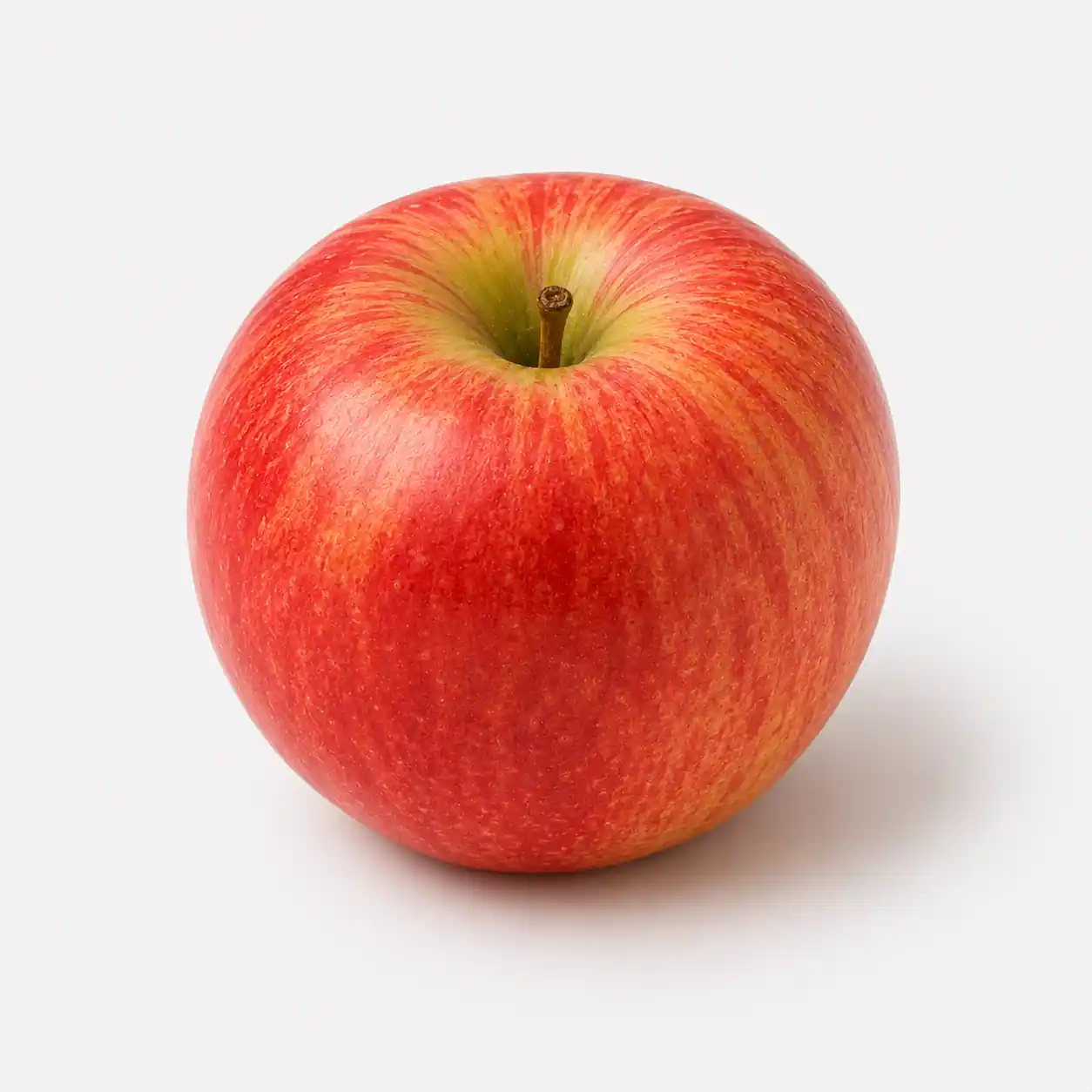
According to USDA data, 100 g of strawberries has 4.9 g of sugars. For comparison, pear has 9.8 g, apple has 10.4 g, banana has 12.2 g, mango has 13.7 g, and grapes have 15.5 g. That makes strawberries an easy way to flavor plain yogurt or cereal without making it too sweet.
How to wash them
The FDA advises rinsing berries under running water while gently rubbing them, with no soap or produce wash, right before eating. Then pat them dry with a clean towel. Washing reduces bacteria on the surface but doesn’t remove all of it.
Sources · 16
This page is based on guidance from health organizations:
- CDC — When, What, and How to Introduce Solid Foods
- NHS — From around 6 months
- NHS — Preparing food safely for babies
- NHS — Choking and gagging on food
- Anaphylaxis UK — Fruit allergy factsheet
- AAAAI — Contact Dermatitis
- NHS Allergy North West — Weaning advice
- USDA FoodData Central — Strawberries, raw
- NIH ODS — Vitamin C
- NIH ODS — Iron
- FDA — 7 Tips for Cleaning Fruits, Vegetables
- USDA FoodData Central — Bananas, raw
- USDA FoodData Central — Mangos, raw
- USDA FoodData Central — Grapes, red or green, raw
- USDA FoodData Central — Pears, raw
- USDA FoodData Central — Apples, raw, with skin
For informational purposes only. Not medical advice. Decide on introducing foods, especially allergens, together with your pediatrician.