How to serve turkey at 6 and 9 months
Ages are approximate; go by your baby’s skills.
Ages are approximate; go by your baby’s skills.
6+ months
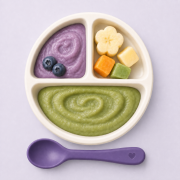
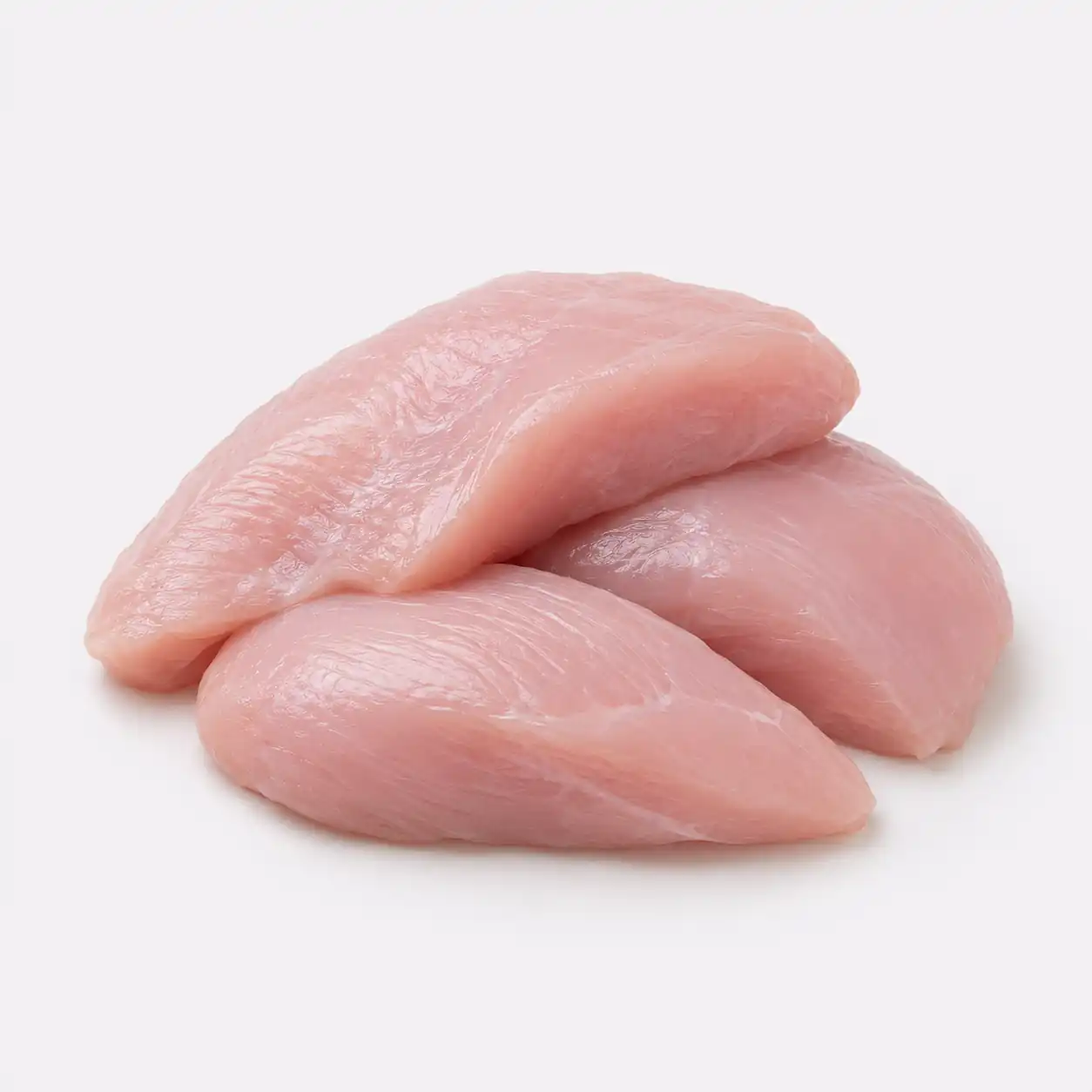
Remove skin, bones, and tough gristle. Boil or stew the turkey until fully cooked and soft. Blend it with a little water or vegetable puree. You can make soft, moist ground turkey with vegetables.
Offer fully cooked, soft turkey as a long strip that sticks out of the fist, without skin, bones, or tough gristle. Another option is a soft turkey and vegetable patty cut into long strips. If the meat stays tough or dry, offer it chopped on a pre-loaded spoon.
9+ months
If your baby manages soft pieces, pull stewed turkey into short shreds or chop it finely across the grain. Serve with vegetables, cereal, or in a thick soup, keeping the meat moist.
18–24 months: if your child bites and chews meat confidently, offer juicy, fully cooked turkey in thin, short strips cut across the grain or in small pieces. You don’t need to pull the meat into short shreds every time. Remove skin, bones, and tough gristle; don’t offer dry, tough meat.
Once your baby has a pincer grasp, offer small soft pieces of patty or stewed turkey, or short soft shreds.
18–24 months: if your child bites and chews meat confidently, offer juicy, fully cooked turkey in thin, short strips cut across the grain or in small pieces. You don’t need to pull the meat into short shreds every time. Remove skin, bones, and tough gristle; don’t offer dry, tough meat.
Choking risk
Dry, tough, or large pieces of meat can be hard for young children to chew safely.
To lower the risk:
- cook meat until tender;
- finely shred or mince it into soft strands;
- avoid large dense chunks.
Keep your child sitting upright and stay with them throughout the meal.
Allergies
Individual allergic reactions are possible.
Selenium
100 g of roasted turkey meat has 30.7 mcg of selenium, one and a half times the daily amount for babies 7 to 12 months old.
That’s USDA data; babies 7 to 12 months old need 20 mcg of selenium a day, according to the NIH. The NIH lists poultry among food sources of selenium. It’s part of enzymes that protect cells and help the thyroid work.
Dark meat or white meat
Turkey thigh and drumstick meat is noticeably richer in minerals than breast. According to USDA data, 100 g of roasted dark meat has 1.4 mg of iron and 3.5 mg of zinc, while white meat has 0.7 mg of iron and 1.7 mg of zinc, half as much. Babies 7 to 12 months old need 11 mg of iron (NIH data) and 3 mg of zinc a day (CDC data). Dark meat has more fat, 6 g per 100 g versus 2.1 g in white meat, but it’s still lean.
Deli turkey is a different food
Packaged sliced turkey breast has 898 mg of sodium per 100 g, according to USDA data. Roasted turkey meat has 101 mg, almost 9 times less. The NHS reminds parents that too much salt isn’t good for babies because it’s hard on their kidneys. Make your baby’s turkey yourself: roast, braise, or boil it without salt.
Sources · 13
This page is based on guidance from health organizations:
- NHS — From around 6 months
- USDA FoodData Central — Turkey, whole, meat only, raw
- NHS — Preparing food safely for babies
- CDC — Choking Hazards
- NHS — Food allergies in babies and young children
- USDA FoodData Central — Turkey, whole, meat only, cooked, roasted
- USDA FoodData Central — Turkey, whole, dark meat, cooked, roasted
- USDA FoodData Central — Turkey, all classes, light meat, cooked, roasted
- USDA FoodData Central — Turkey breast, sliced, prepackaged
- NIH ODS — Selenium
- NIH ODS — Iron
- CDC — Zinc
- NHS — Foods to avoid giving babies and young children
For informational purposes only. Not medical advice. Decide on introducing foods, especially allergens, together with your pediatrician.