How to serve by age
6+ months
Pureed or very finely minced soft beef, which you can mix into vegetable purees.
Cook beef until fully done and tender, and offer a long soft strip or large shreds for your baby to hold.
9+ months
Small soft pieces or thin shreds of cooked beef.
Offer tender shreds or small soft pieces for self-feeding.
12+ months
Small tender pieces of beef in all kinds of dishes.
Offer small tender pieces in family meals.
Choking risk
Dry, tough, or large pieces of meat can be hard for young children to chew safely.
To lower the risk:
- cook meat until tender;
- finely shred or mince it into soft strands;
- avoid large dense chunks.
Keep your child sitting upright and stay with them throughout the meal.
Allergies
Individual allergic reactions are possible.
Iron that’s easy to absorb
Food iron comes in two forms. The CDC explains that heme iron is found in animal products, and the body absorbs it more easily than nonheme iron from plants. Red meat, beef included, tops the CDC’s list of foods with heme iron. After 6 months, babies need iron from food: it helps red blood cells carry oxygen and supports brain development. According to USDA data, 100 g of cooked ground beef has 2.7 mg of iron, and babies 7 to 12 months old need 11 mg a day (NIH data).
A top source of zinc
100 g of cooked ground beef has 6.2 mg of zinc, twice the daily need for children 7 to 24 months old.
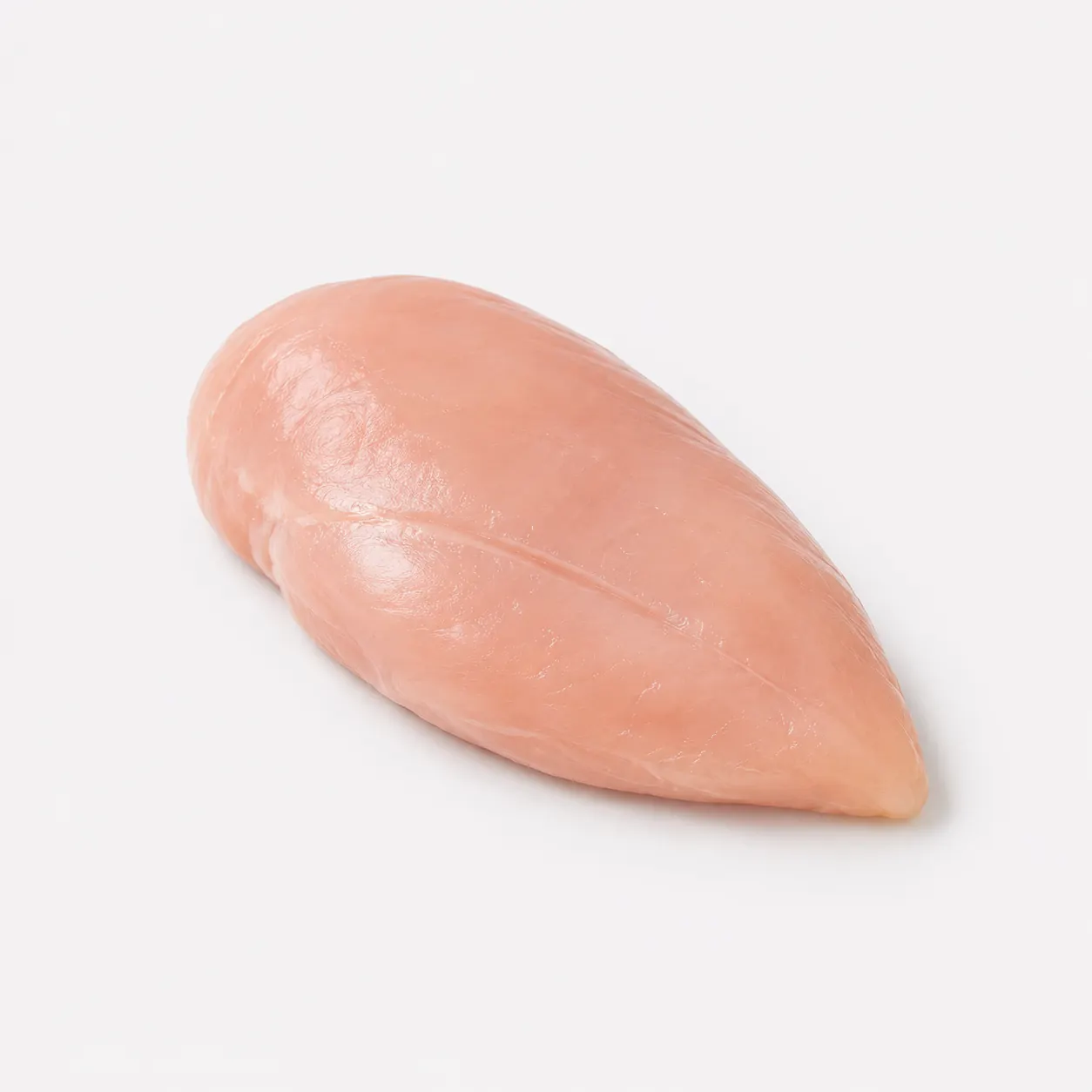
That’s USDA data; the 3 mg target comes from the CDC. For comparison, chicken thigh has 1.9 mg and breast has 1 mg. Zinc supports growth, immune function, wound healing, and the senses of smell and taste. The CDC notes it’s especially important for breastfed babies.
The same portion has 2.8 mcg of vitamin B12, more than five times the daily amount for babies 7 to 12 months old (0.5 mcg, according to the NIH).
Cook ground beef all the way
Whole cuts and ground meat have different safe temperatures. The USDA says beef steaks and roasts are safe at 145°F (63°C) with a 3-minute rest, but ground beef needs 160°F (71°C). So cook patties and meatballs for your baby all the way through and check with a thermometer.
Sausage and bacon aren’t a swap for meat
The NHS advises against salty foods for babies, including bacon and sausages, because too much salt isn’t good for them. Make your baby’s meat yourself, without salt or bouillon cubes.
Sources · 14
This page is based on guidance from health organizations:
- WHO — Complementary feeding of infants and young children
- AAP — Infant Food and Feeding
- NHS — Preparing food safely for babies
- WHO — Complementary feeding
- CDC — Choking Hazards
- NHS — Food allergies in babies and young children
- CDC — Iron
- CDC — Zinc
- USDA FoodData Central — Beef, ground, 85% lean, cooked
- USDA FoodData Central — Chicken, thigh, meat only, roasted
- NIH ODS — Iron
- USDA FSIS — Safe Minimum Internal Temperature Chart
- NHS — Foods to avoid giving babies and young children
- NIH ODS — Vitamin B12
For informational purposes only. Not medical advice. Decide on introducing foods, especially allergens, together with your pediatrician.