How to serve by age
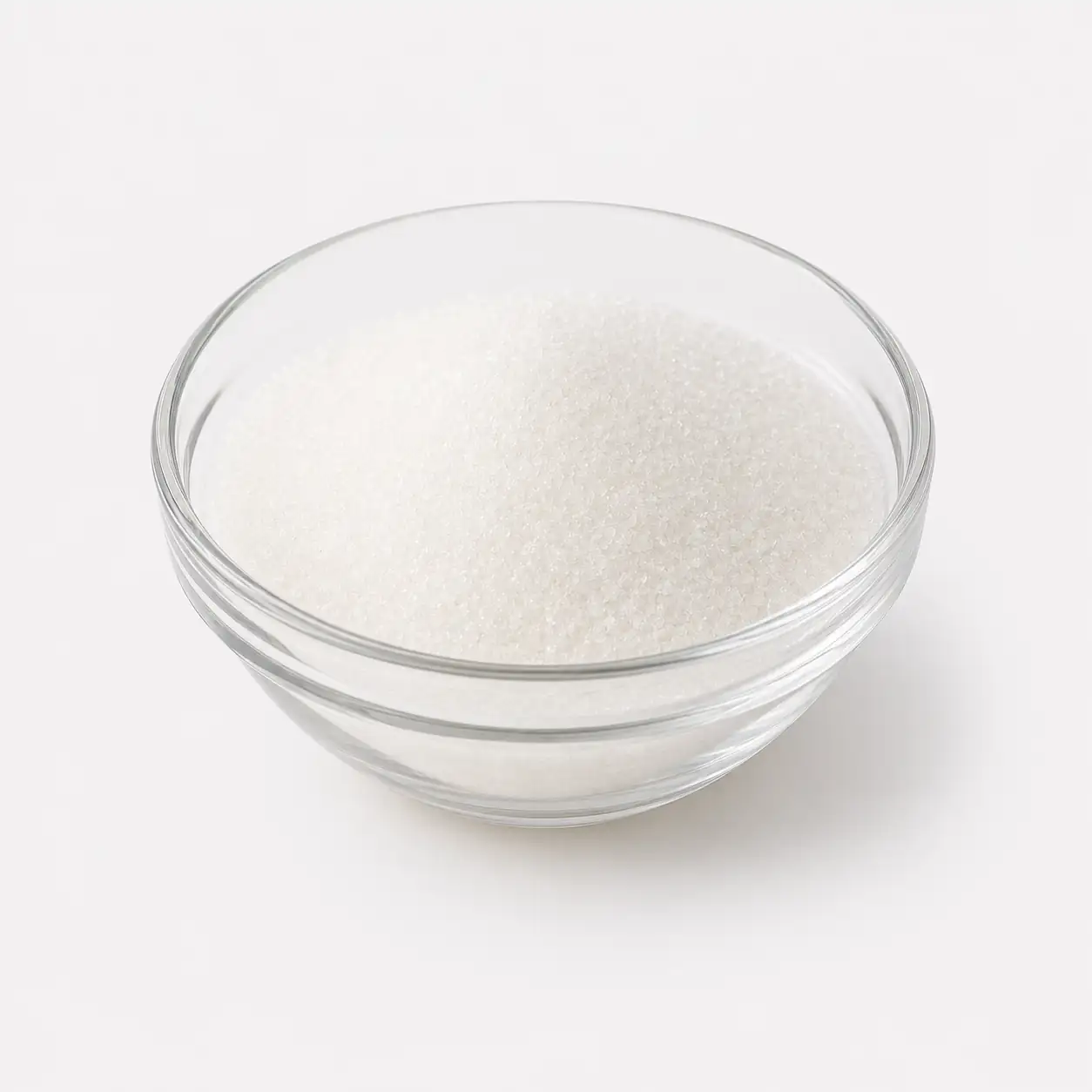
Adding sugar to your child’s food and drinks isn’t recommended. Make cereal, plain yogurt, and homemade baked goods without added sugar. For variety of flavor, you can use fruit or berries in a form that suits your child.
Choking risk
Sugar itself generally isn’t considered a high choking risk.
Still, sticky or hard candy isn’t suitable for young children.
Always stay with your child while they eat.
Allergies
Individual allergic reactions are possible.
How often matters
For teeth, it’s not just how much sugar your child eats but how often.
Up to 1 hour of acid attack on the teeth after every sugary food or drink.
That’s from the children’s service at Chelsea and Westminster, an NHS hospital: plaque produces the acid when it gets sugar. So keep sweet foods to mealtimes rather than between them: five small sugary snacks mean five attacks on the teeth.
Cavities are common in childhood
According to the CDC, cavities are the most common chronic disease of childhood in the United States: more than half of children 6 to 8 years old have had a cavity in at least one baby tooth. The CDC advises taking your baby to the dentist by their first birthday to spot problems early.
Sugar by other names
On an ingredient list, sugar isn’t always called sugar. The FDA counts sucrose, dextrose, syrups, honey, and sugars from concentrated fruit or vegetable juices as added sugars. In baby cookies or cereal, sugar may show up as syrup, dextrose, or apple juice concentrate. Read the ingredient list, not just the claims on the front of the package.
Sources · 12
This page is based on guidance from health organizations:
- NHS — Foods to avoid giving babies and young children
- NHS — Sugar: the facts
- CDC — Foods and Drinks to Avoid or Limit
- WHO — Guideline: sugars intake for adults and children
- CDC — Get the Facts: Added Sugars
- NHS — What to feed young children
- CDC — Choking Hazards
- AAP — Choking Prevention
- NHS — Food allergies in babies and young children
- Chelsea and Westminster Hospital NHS Foundation Trust — Diet advice for dental patients
- CDC — Oral Health Tips for Children
- FDA — Added Sugars on the Nutrition Facts Label
For informational purposes only. Not medical advice. Decide on introducing foods, especially allergens, together with your pediatrician.