How to serve sardines at 6 and 9 months
Ages are approximate; go by your baby’s skills.
Ages are approximate; go by your baby’s skills.
6+ months
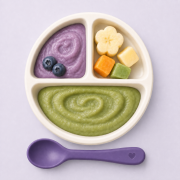
Choose canned sardines with no added salt. Mash the fish thoroughly together with the soft bones; you can mix it with vegetable puree or cereal.
Mash canned sardines together with their soft bones, checking that no hard fragments remain. Offer them on a pre-loaded spoon, or make a soft fish patty cooked all the way through and cut it into long strips that stick out of the fist. Choose sardines with no added salt.
9+ months
If your baby manages soft pieces, offer small soft pieces of sardine with no hard fragments, on their own or with vegetables.
Once your baby has a pincer grasp and manages soft pieces, offer small soft pieces of sardine or fish patty. Don’t leave hard bones or other hard fragments.
12–18 months: if your child bites and chews bread with a filling confidently, offer a small sandwich of two thin slices of bread with soft mashed sardines mixed with plain yogurt or mashed avocado. Mash the soft bones thoroughly; remove hard fragments. Cut it into short, narrow strips, with no hard crust or thick layer of filling.
Choking risk
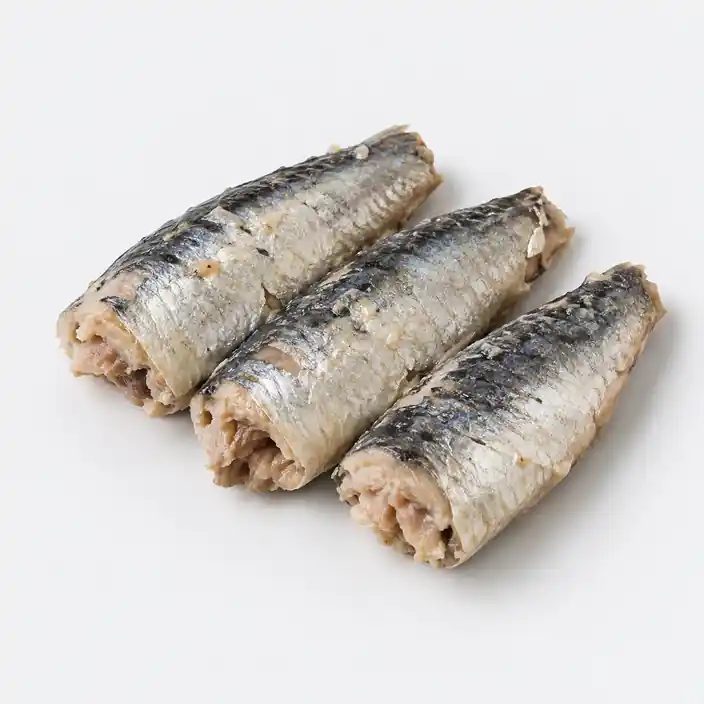
Cook fresh fish all the way through and carefully remove all bones. With canned sardines, check that the bones are soft: they should mash easily together with the fish. Remove any hard fragments.
Your baby should eat sitting upright and always be watched by an adult.
Allergies
Fish is one of the major food allergens. A reaction can happen the very first time. If your baby tolerates fish, keep including it in their diet.
Calcium from soft bones
100 g of canned sardines with bones has 382 mg of calcium, more than babies 7 to 12 months old need in a day.
That’s USDA data for Atlantic sardines canned in oil; babies 7 to 12 months old need 260 mg of calcium a day, according to the NIH. The calcium comes from the soft, edible bones: canning softens them, and you mash them together with the fish.
Vitamin D and B12
100 g of these sardines has 4.8 mcg of vitamin D, according to USDA data, almost half the daily amount for babies under 1 year (10 mcg, according to the NIH). Vitamin D helps the body absorb calcium. The same portion has 8.9 mcg of vitamin B12 against a daily need of 0.5 mcg for babies 7 to 12 months old (NIH data).
On the FDA’s best list
The FDA and EPA sort fish by mercury content. Sardines are on the “Best Choices” list, the fish lowest in mercury. The FDA advises feeding children fish from this list. Fish also provides iron, zinc, protein, and selenium.
In oil or in tomato sauce
According to USDA data, 100 g of sardines in oil has 307 mg of sodium, while Pacific sardines in tomato sauce have 414 mg. Those in tomato sauce also have less calcium: 240 mg. The NHS advises against salty foods for babies. Look for sardines with no added salt and drain the liquid.
Sources · 11
This page is based on guidance from health organizations:
- USDA FoodData Central — Fish, sardine, Atlantic, canned in oil, drained solids with bone
- NHS — Fish and shellfish
- FDA — Advice about Eating Fish
- NHS — Food allergies in babies and young children
- AAP — When to Introduce Egg, Peanut Butter & Other Common Food Allergens
- NHS — Your baby's first solid foods
- USDA FoodData Central — Fish, sardine, Pacific, canned in tomato sauce, drained solids with bone
- NIH ODS — Calcium
- NIH ODS — Vitamin D
- NIH ODS — Vitamin B12
- NHS — Foods to avoid giving babies and young children
For informational purposes only. Not medical advice. Decide on introducing foods, especially allergens, together with your pediatrician.