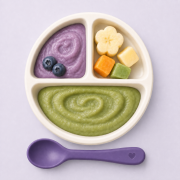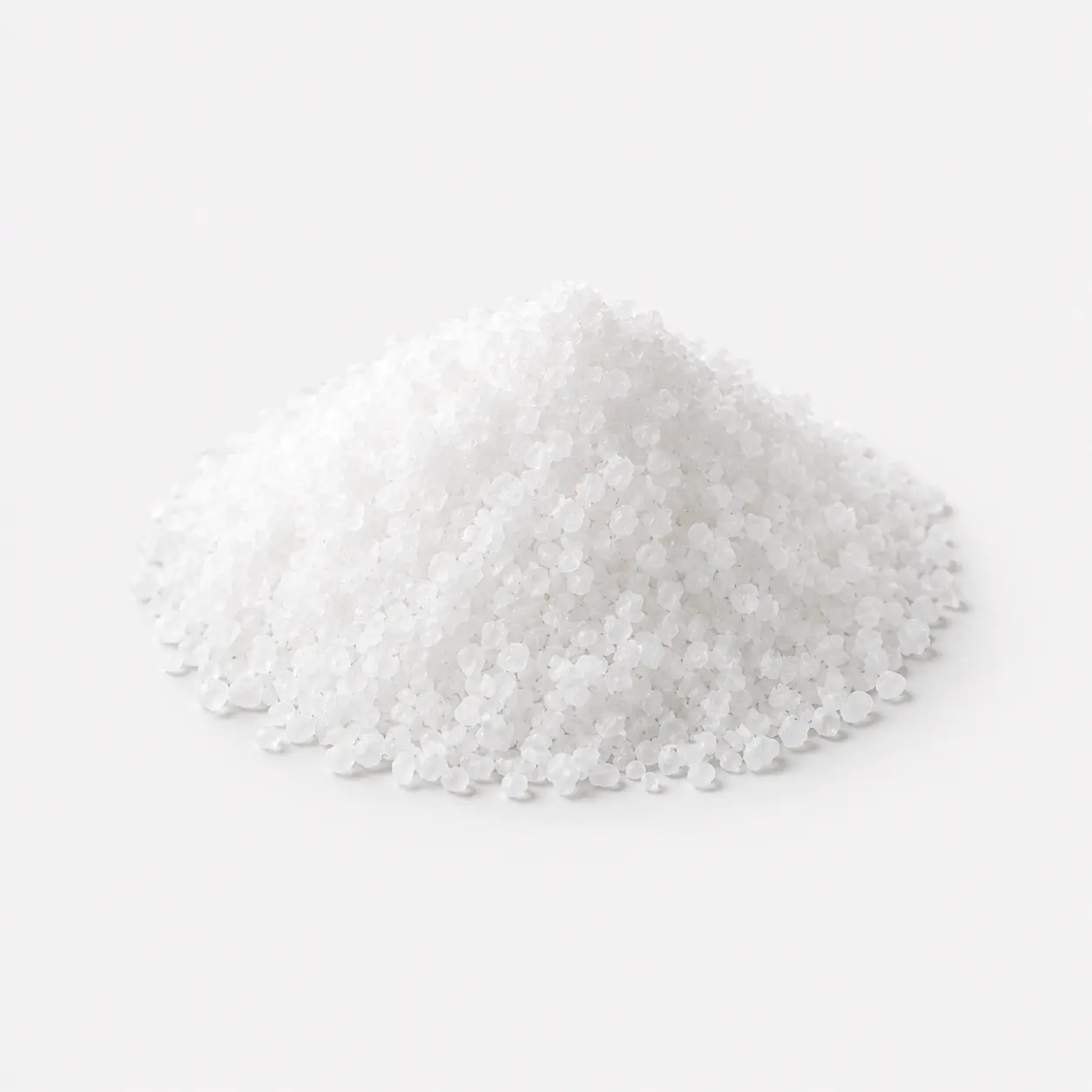
How to serve salt at 12 months
12+ months
Family dishes may contain a small amount of salt; there’s no need to add extra salt to your child’s portion. For children ages 1–3, total salt intake should be no more than 2 g a day, including the salt in bread, cheese, and other ready-made foods.
Choking risk
Salt isn’t usually considered a choking risk, but adding salt to baby food isn’t recommended.
Allergies
Individual allergic reactions are possible.
Salt and sodium
Food labels often list sodium, not salt. According to the WHO, 1 g of salt contains 400 mg of sodium; to turn sodium into salt, multiply it by 2.5. The NHS advises less than 1 g of salt a day for babies under 1 year old, which means less than 400 mg of sodium — and that includes the salt already in foods.
Bouillon cubes and gravy
The NHS advises against giving babies bouillon cubes or gravy, because they’re often high in salt.
326 mg of sodium in 100 ml of broth made from a cube — nearly a whole day’s limit for a baby under 1.
That’s USDA data: 326 mg of sodium is about 0.8 g of salt. A dry bouillon cube has 24 g of sodium per 100 g, and soy sauce has 5.5 g. For your baby’s food, make broth at home without salt and let vegetables and herbs add the flavor.
Cooking for the whole family
The NHS reminds parents to keep this in mind when cooking for the family if your baby will eat the same food. It helps to set your baby’s portion aside before you salt the dish. After the first birthday, your child eats more and more family food, and the salt in it adds up faster than you might think.
Iodized salt
The WHO recommends that all salt people eat be iodized: iodine is essential for brain development in unborn babies and young children. Using less salt and using iodized salt go together: if you salt family meals, choose iodized salt and keep the amount small.
Sources · 7
This page is based on guidance from health organizations:
- NHS — Foods to avoid giving babies and young children
- NHS — Salt in your diet
- WHO — Sodium reduction
- NHS — Salt: the facts
- USDA FoodData Central — Soup, chicken broth cubes, dry, prepared with water
- USDA FoodData Central — Soup, chicken broth cubes, dry
- USDA FoodData Central — Soy sauce made from soy and wheat (shoyu)
For informational purposes only. Not medical advice. Decide on introducing foods, especially allergens, together with your pediatrician.