How to serve orange at 6 and 9 months
Ages are approximate; go by your baby’s skills.
Ages are approximate; go by your baby’s skills.
6+ months
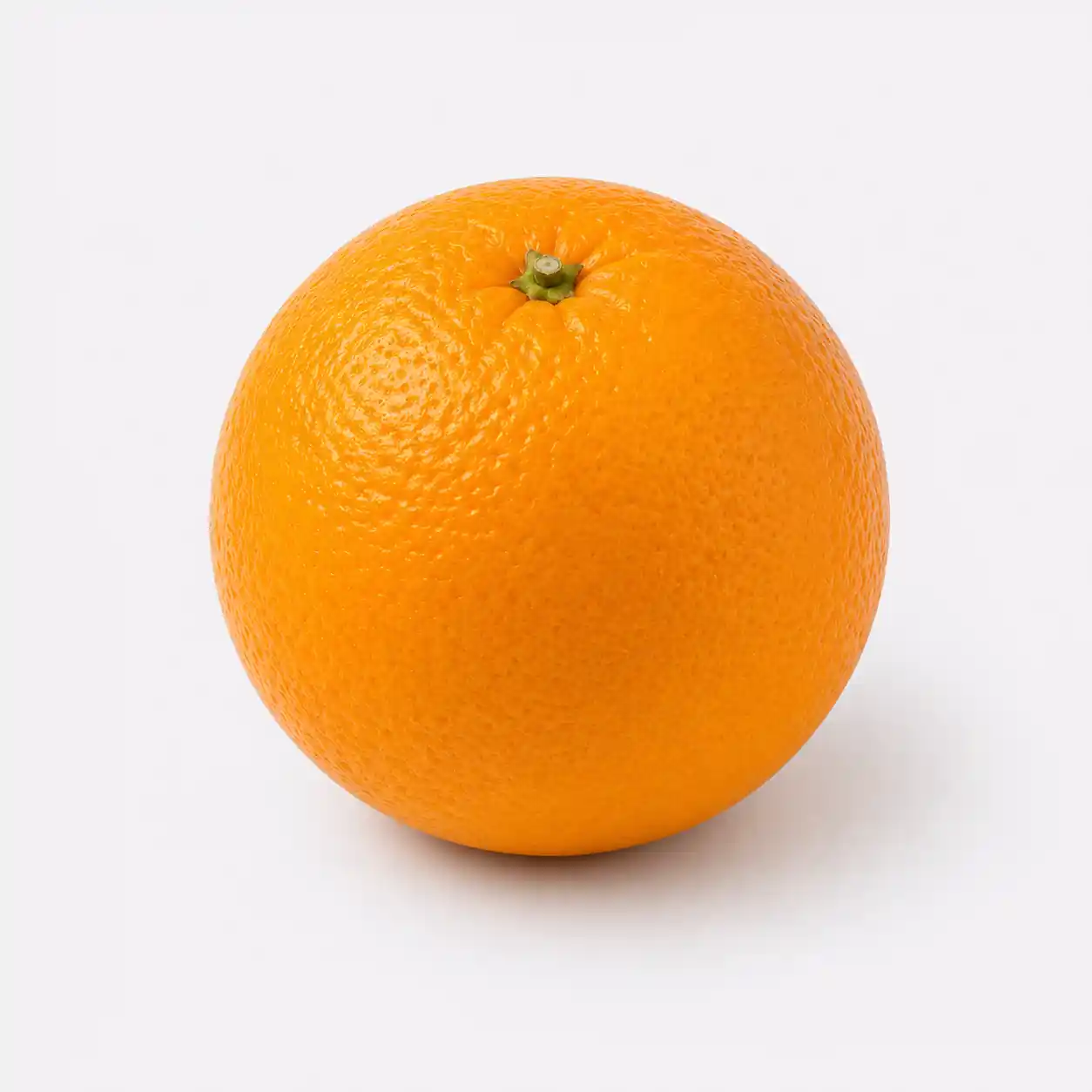
Wash and peel the orange and remove the seeds and tough membranes around the segments. Mash the flesh and serve it on its own or with cereal or yogurt.
Wash and peel the orange and remove the seeds and tough membranes. Offer a large soft segment of flesh your baby can hold in their palm. If it falls apart or is hard to hold, offer the mashed flesh on a pre-loaded spoon.
9+ months
If your baby manages soft pieces, separate the peeled flesh into small pieces and offer them on their own or with other food.
12–18 months: if your child chews segments confidently, you can offer soft orange segments with thin membranes, removing the peel and seeds. Cut large segments into small pieces. Keep removing thick, tough membranes; if your child can’t manage the membrane, offer the peeled flesh.
Once your baby has a pincer grasp, offer small soft pieces of flesh without seeds or tough membranes.
12–18 months: if your child chews segments confidently, you can offer soft orange segments with thin membranes, removing the peel and seeds. Cut large segments into small pieces. Keep removing thick, tough membranes; if your child can’t manage the membrane, offer the peeled flesh.
Choking risk
Large pieces of membrane, seeds, or tough fibers can be hard for young children to chew safely.
To lower the risk:
- remove seeds and tough parts;
- offer small soft pieces;
- don’t serve large whole segments.
Keep your child sitting upright and stay with them throughout the meal.
Allergies
Individual allergic reactions are possible.
Vitamin C
53 mg of vitamin C in 100 g of orange — more than a baby 7 to 12 months old needs in a day.
That’s USDA data; the daily amount for babies 7 to 12 months old is 50 mg, according to the NIH. So even half of a small orange covers a good part of what your baby needs in a day.
Orange or mandarin
Mandarins have half the vitamin C: 26.7 mg per 100 g versus 53 mg in oranges, according to USDA data. Canned mandarin segments in light syrup are sweeter than fresh ones: 15.5 g of sugars per 100 g versus 10.6 g, while mandarins canned in juice have 8.9 g.
Calcium in a fruit
Oranges have 40 mg of calcium per 100 g, according to USDA data. That’s about a seventh of the daily amount for babies 7 to 12 months old (260 mg, according to the NIH). Your baby’s main calcium sources are still breast milk or formula, and later dairy foods.
Folate and potassium
100 g of orange has 30 mcg of folate — more than a third of the daily amount for babies 7 to 12 months old (80 mcg, according to the NIH) — and 181 mg of potassium.
Sources · 13
This page is based on guidance from health organizations:
- CDC — When, What, and How to Introduce Solid Foods
- NHS — From around 6 months
- NHS — Fruity sticks recipe
- NHS — Preparing food safely for babies
- NHS — Choking and gagging on food
- NHS — Foods to avoid giving babies and young children
- USDA FoodData Central — Oranges, raw, all commercial varieties
- USDA FoodData Central — Tangerines, (mandarin oranges), raw
- USDA FoodData Central — Tangerines, (mandarin oranges), canned, light syrup pack
- USDA FoodData Central — Tangerines, (mandarin oranges), canned, juice pack
- NIH ODS — Vitamin C
- NIH ODS — Calcium
- NIH ODS — Folate
For informational purposes only. Not medical advice. Decide on introducing foods, especially allergens, together with your pediatrician.