How to serve beets at 6 and 9 months
Ages are approximate; go by your baby’s skills.
Ages are approximate; go by your baby’s skills.
6+ months
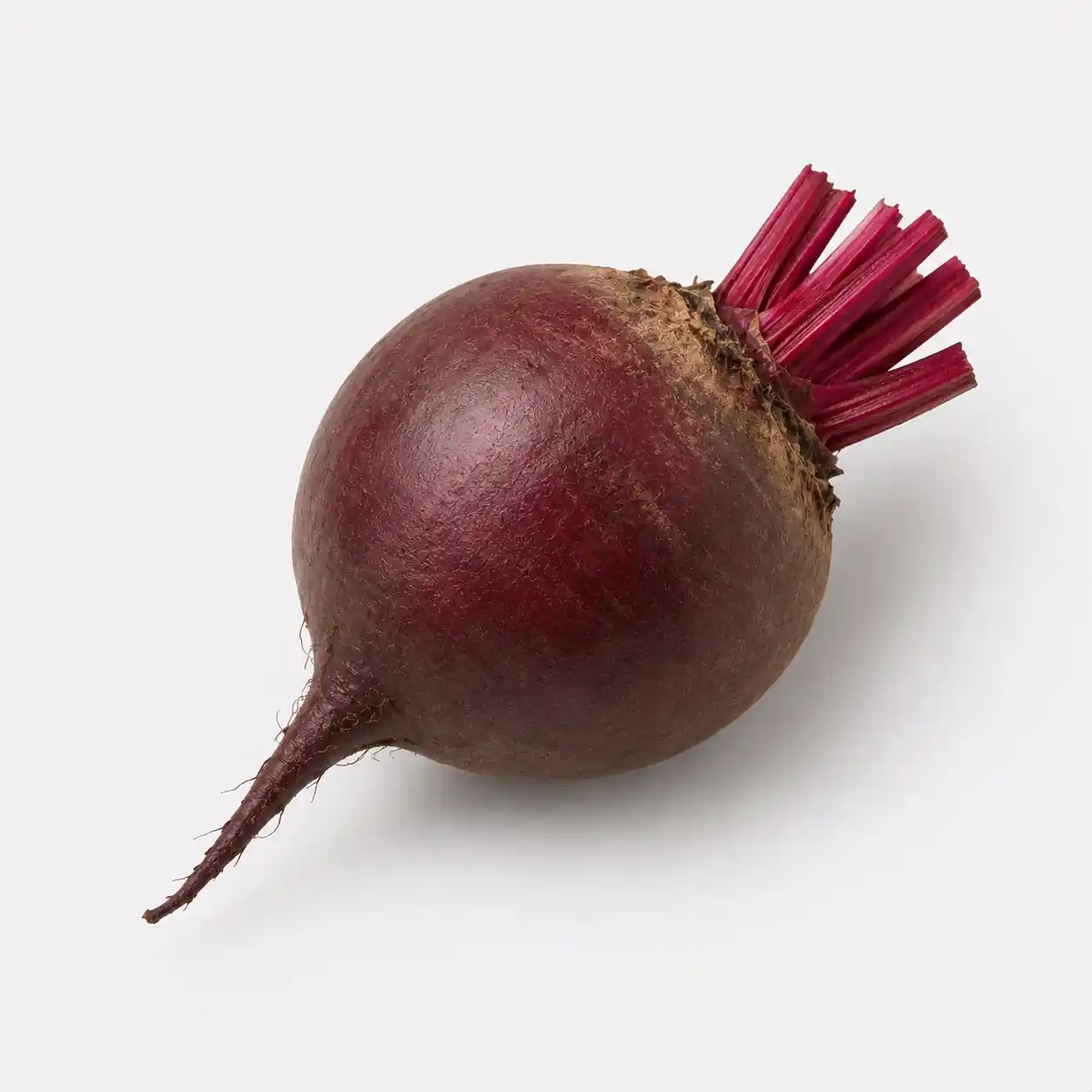
Wash the beets and boil, steam, or roast them until completely soft. Peel them. Puree, mash with a fork, or grate finely. If the puree is too thick, add a little water.
Cook beets until completely soft, peel them, and cut them into long sticks so part of each stick sticks out of your baby’s fist. The stick should squish easily between your fingers all the way through. If roasting leaves a tough skin, remove it. Another option is beet puree on a pre-loaded spoon.
9+ months
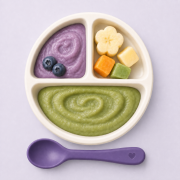
If your baby manages soft pieces, offer cooked, peeled beets in small pieces without mashing, on their own or with other vegetables. Don’t swap this for hard raw beets cut the same way.
Once your baby has developed a pincer grasp, offer small soft pieces of cooked beets. Don’t swap them for hard raw cubes.
Choking risk
Raw or undercooked beets can be too firm for babies. Cook beets until soft before serving.
Keep your child sitting upright and stay with them throughout the meal.
Allergies
Beets aren’t considered a common food allergen. Individual allergic reactions are still possible.
Pink pee after beets
After eating beets, your baby’s pee or poop may turn pink or reddish. MedlinePlus lists beets among the common causes of pink or red urine, along with blackberries and food colorings. If your baby hasn’t had beets and the pee or poop is still red, MedlinePlus advises seeing a doctor: blood in the urine needs checking even once.
Folate
100 g of boiled beets has 80 mcg of folate, the full daily amount for babies 7 to 12 months old.
That’s USDA data; babies 7 to 12 months old need 80 mcg of folate a day, according to the NIH. Folate is needed for cell division and growth.
Canned and pickled beets
Per 100 g, according to USDA data:
- boiled beets — 77 mg of sodium (their own natural sodium) and 8 g of sugars;
- canned, regular — 143 mg of sodium;
- canned, no salt added — 21 mg of sodium;
- pickled — 149 mg of sodium and 11 g of sugars.
Canned beets also have less folate: 29 mcg per 100 g instead of 80 mcg. Skip pickled beets with salt, sugar, and vinegar for your baby: the NHS advises against adding salt and sugar to babies’ food. Boiling or roasting beets at home is easiest.
Sources · 15
This page is based on guidance from health organizations:
- CDC — When, What, and How to Introduce Solid Foods
- NHS — From around 6 months
- NHS — Preparing food safely for babies
- HSE — Stages of weaning
- Public Health Agency (Northern Ireland) — Weaning made easy
- NHS — Choking and gagging on food
- NHS — Food allergies in babies and young children
- AAAAI — Food Allergy
- MedlinePlus — Urine - abnormal color
- USDA FoodData Central — Beets, cooked, boiled, drained
- USDA FoodData Central — Beets, canned, regular pack, solids and liquids
- USDA FoodData Central — Beets, canned, no salt added, solids and liquids
- USDA FoodData Central — Beets, pickled, canned, solids and liquids
- NIH ODS — Folate
- NHS — Foods to avoid giving babies and young children
For informational purposes only. Not medical advice. Decide on introducing foods, especially allergens, together with your pediatrician.