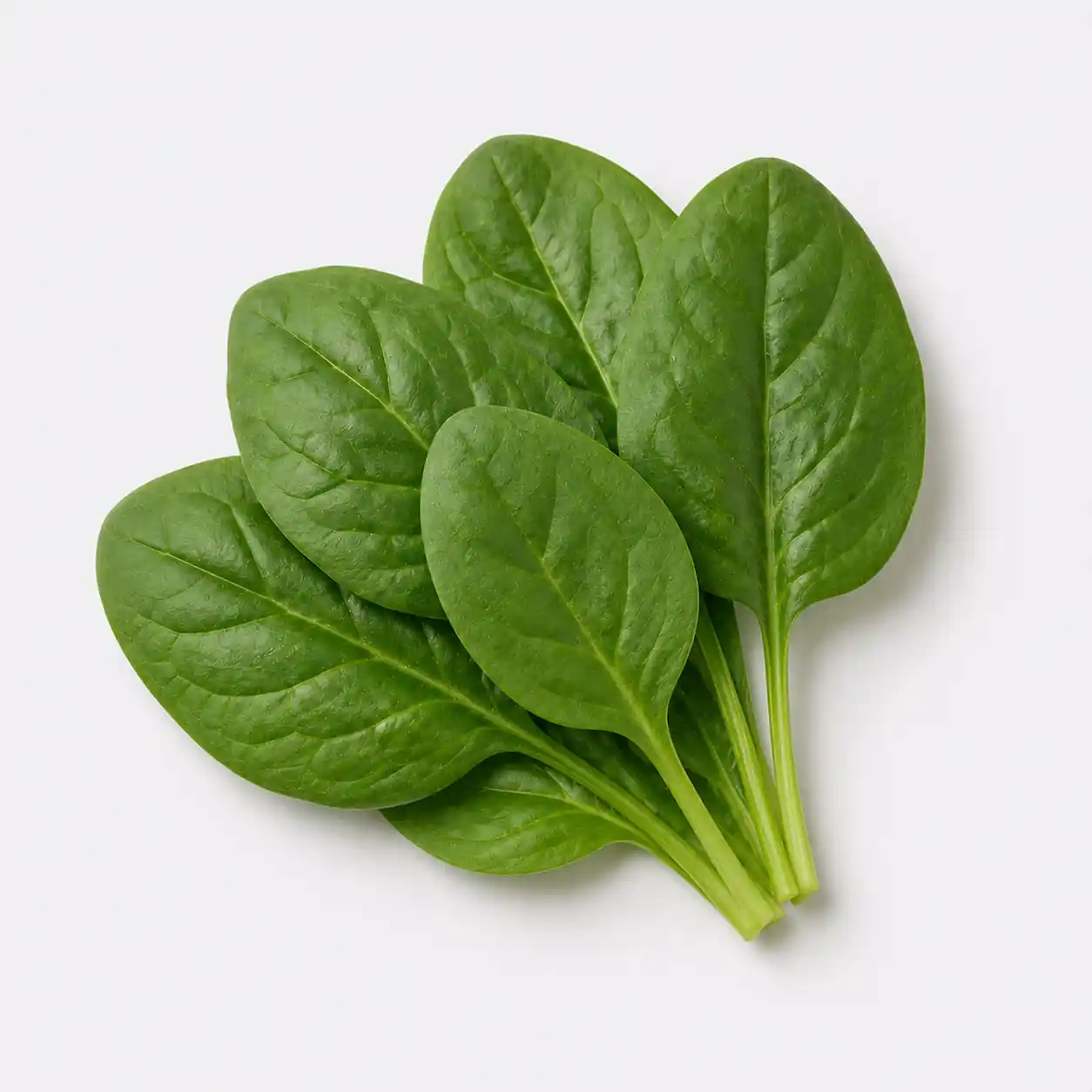
How to serve by age
6+ months
Cook spinach well, chop it finely, and mix it into vegetable puree, cereal, or another soft food.
Offer finely chopped cooked spinach on a pre-loaded spoon or mixed into a soft food.
9+ months
Offer it finely chopped and mixed into soft food; avoid long strands.
Use it in a soft food your baby holds; don’t serve it in slippery separate clumps.
12+ months
Use it finely chopped in soft dishes.
Add it to soft foods your child eats on their own.
Choking risk
Cooked spinach is usually soft, but large stringy leaves can be hard for young children to manage safely.
To lower the risk:
- serve spinach well cooked and soft;
- chop it finely or blend it;
- avoid dense uncut clumps of leaves.
Keep your child sitting upright and stay with them throughout the meal.
Allergies
Individual allergic reactions are possible.
Nitrates in spinach
Spinach builds up nitrates. In 2010, the European Food Safety Authority (EFSA) assessed the risk for infants and young children. Its conclusion: spinach cooked from fresh, at current nitrate levels, is unlikely to be a health concern for babies, but a risk can’t be ruled out for some babies who eat more than one spinach meal a day.
One spinach meal a day is the line above which EFSA can’t rule out a risk for some babies.
Don’t keep cooked spinach long
EFSA warns that when cooked vegetables are stored improperly, their nitrate turns into nitrite, which raises the risk of methemoglobinemia, a condition in which the blood carries less oxygen. Cook spinach for your baby in single servings.
EFSA also notes that children with bacterial gut infections are more sensitive to nitrate and recommends against giving them spinach during that time.
Vitamin K
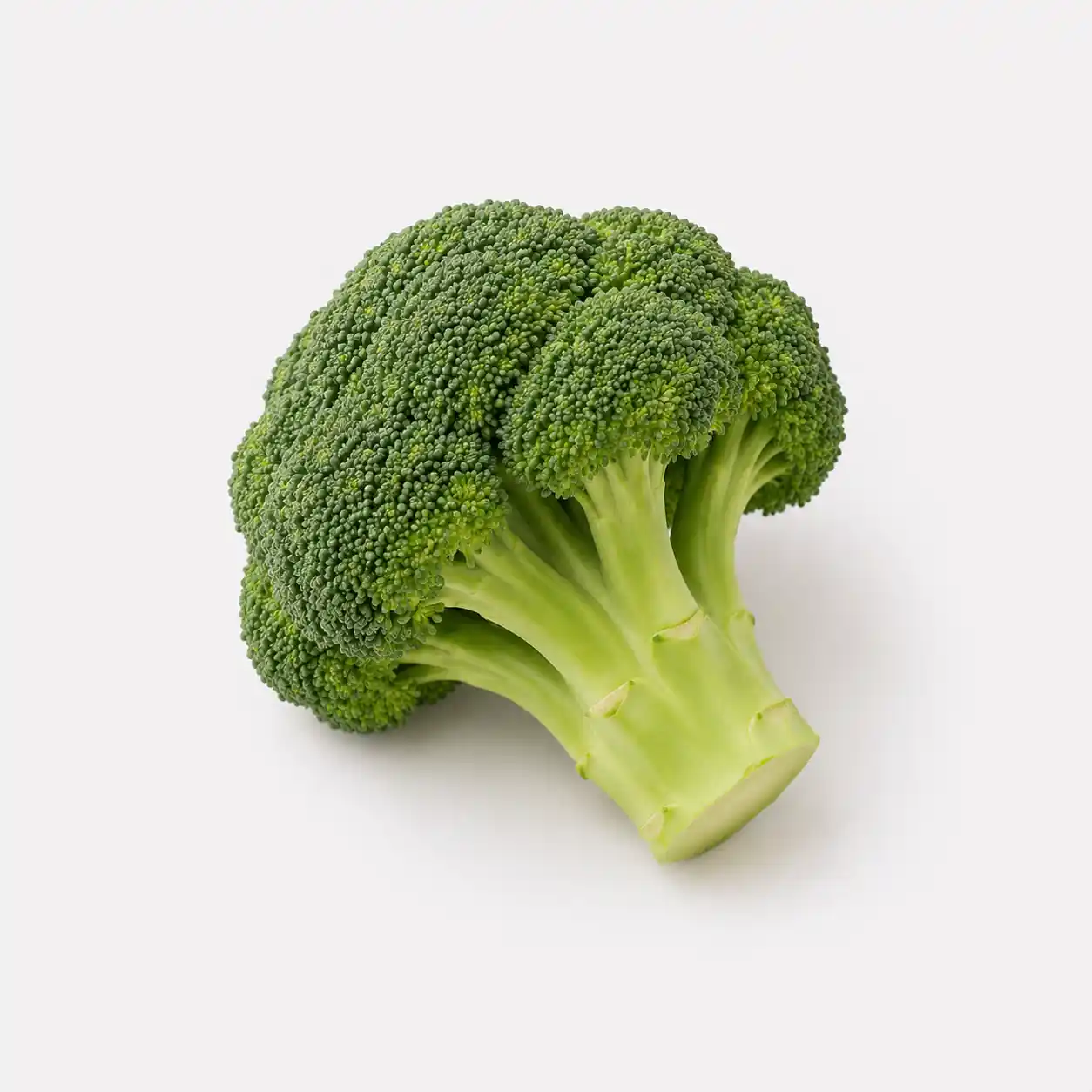
100 g of cooked spinach has 494 mcg of vitamin K, according to USDA data, several times more than broccoli (141 mcg). According to the NIH, vitamin K helps blood clot and keeps bones healthy.
Vitamin A, folate, and magnesium
The same portion has 524 mcg of vitamin A, more than the daily amount for babies 7 to 12 months old (500 mcg, according to the NIH), plus 146 mcg of folate and 87 mg of magnesium. Spinach cooks down a lot: the NHS gives an adult portion as just 2 heaped tablespoons of cooked spinach.
The same portion has 136 mg of calcium, more than half the daily amount for babies 7 to 12 months old (260 mg), and 466 mg of potassium, more than half the daily amount (860 mg).
Sources · 14
This page is based on guidance from health organizations:
- WHO — Complementary feeding of infants and young children
- CDC — Foods and Drinks for 6 to 24 Month Olds
- NHS — Preparing food safely for babies
- WHO — Complementary feeding
- NHS — Choking and gagging on food
- NHS — Foods to avoid giving babies and young children
- EFSA — Nitrates in leafy vegetables for infants and young children
- USDA FoodData Central — Spinach, cooked, boiled, without salt
- USDA FoodData Central — Broccoli, cooked, boiled
- NIH ODS — Vitamin K
- NIH ODS — Vitamin A and Carotenoids
- NHS — 5 A Day portion sizes
- NIH ODS — Calcium
- NIH ODS — Potassium
For informational purposes only. Not medical advice. Decide on introducing foods, especially allergens, together with your pediatrician.