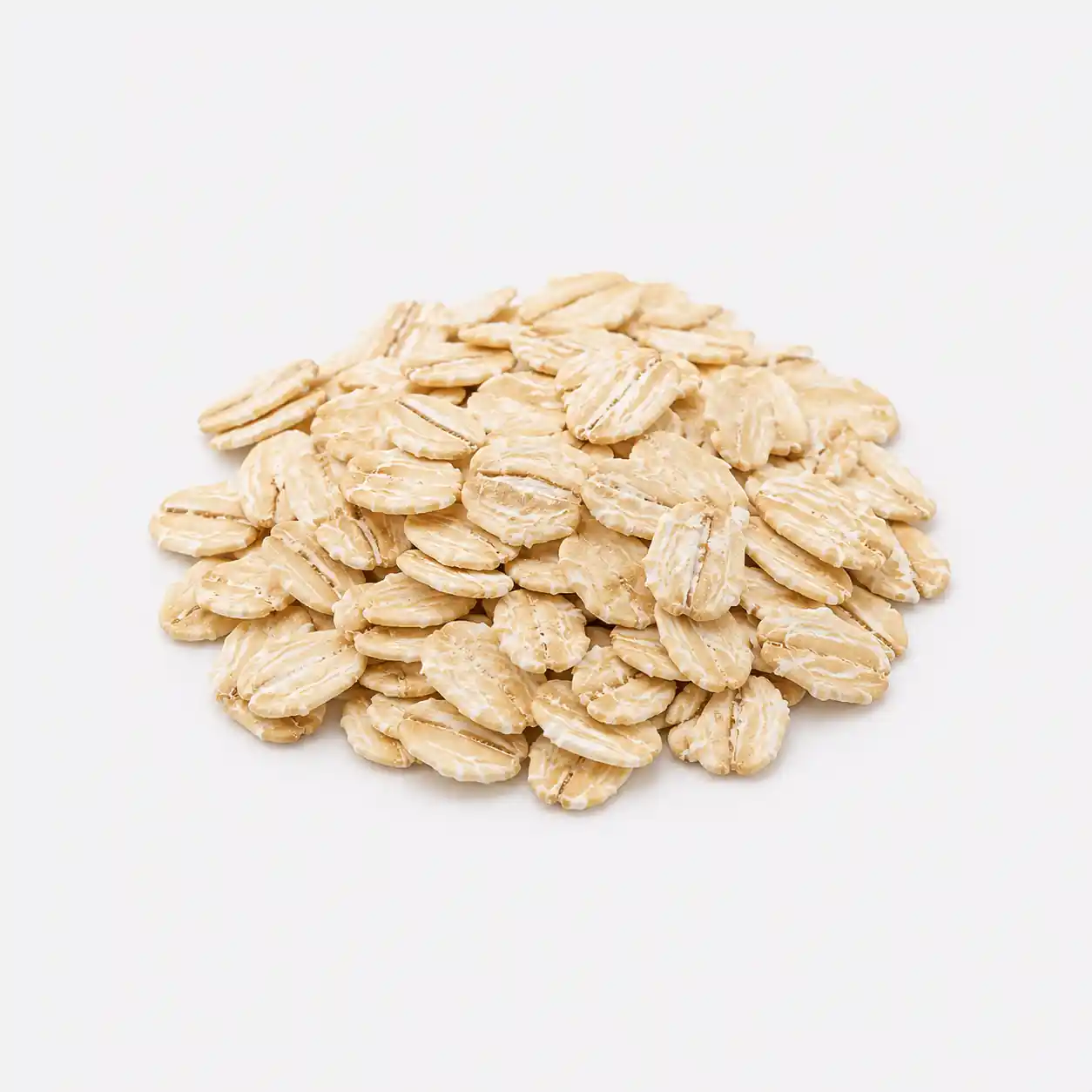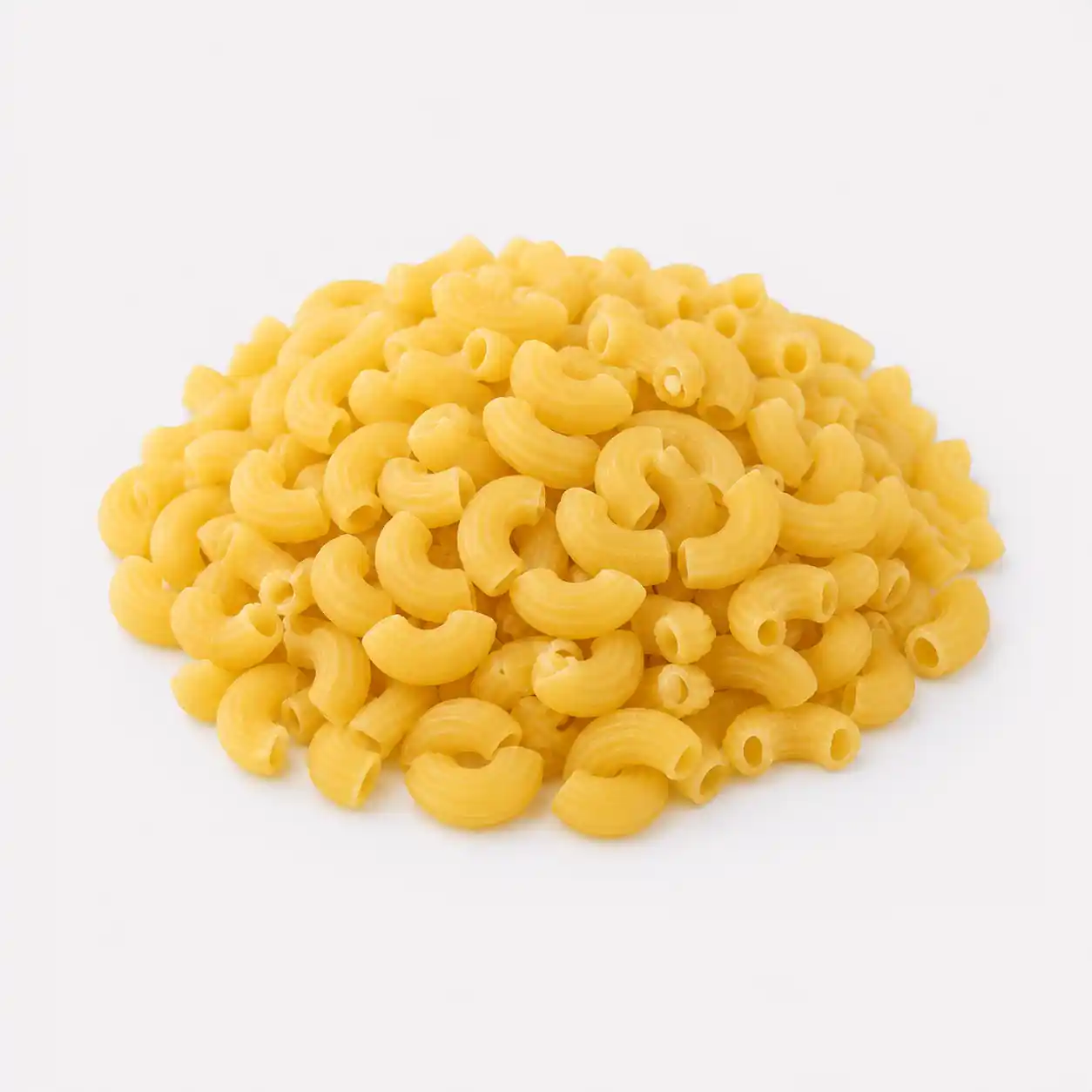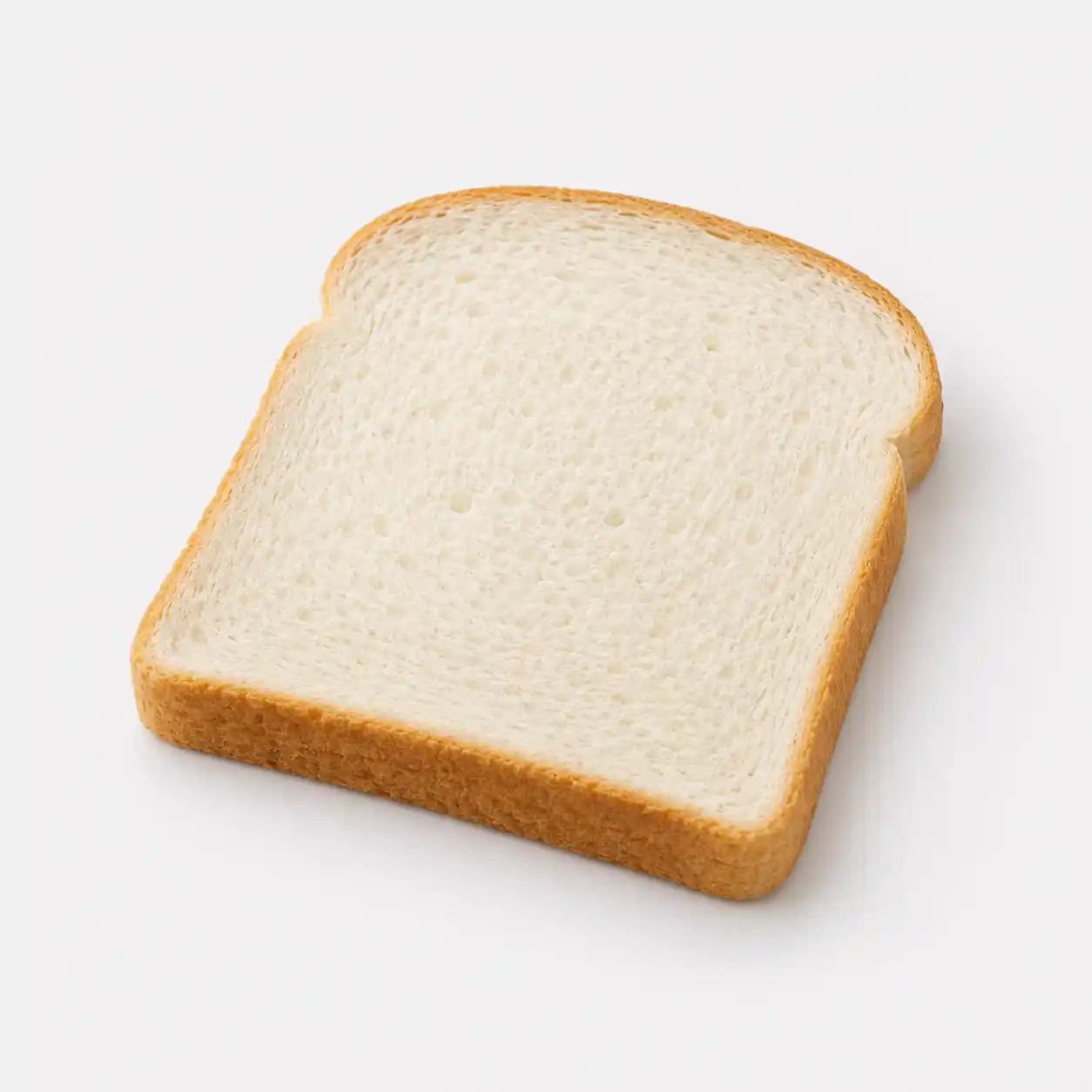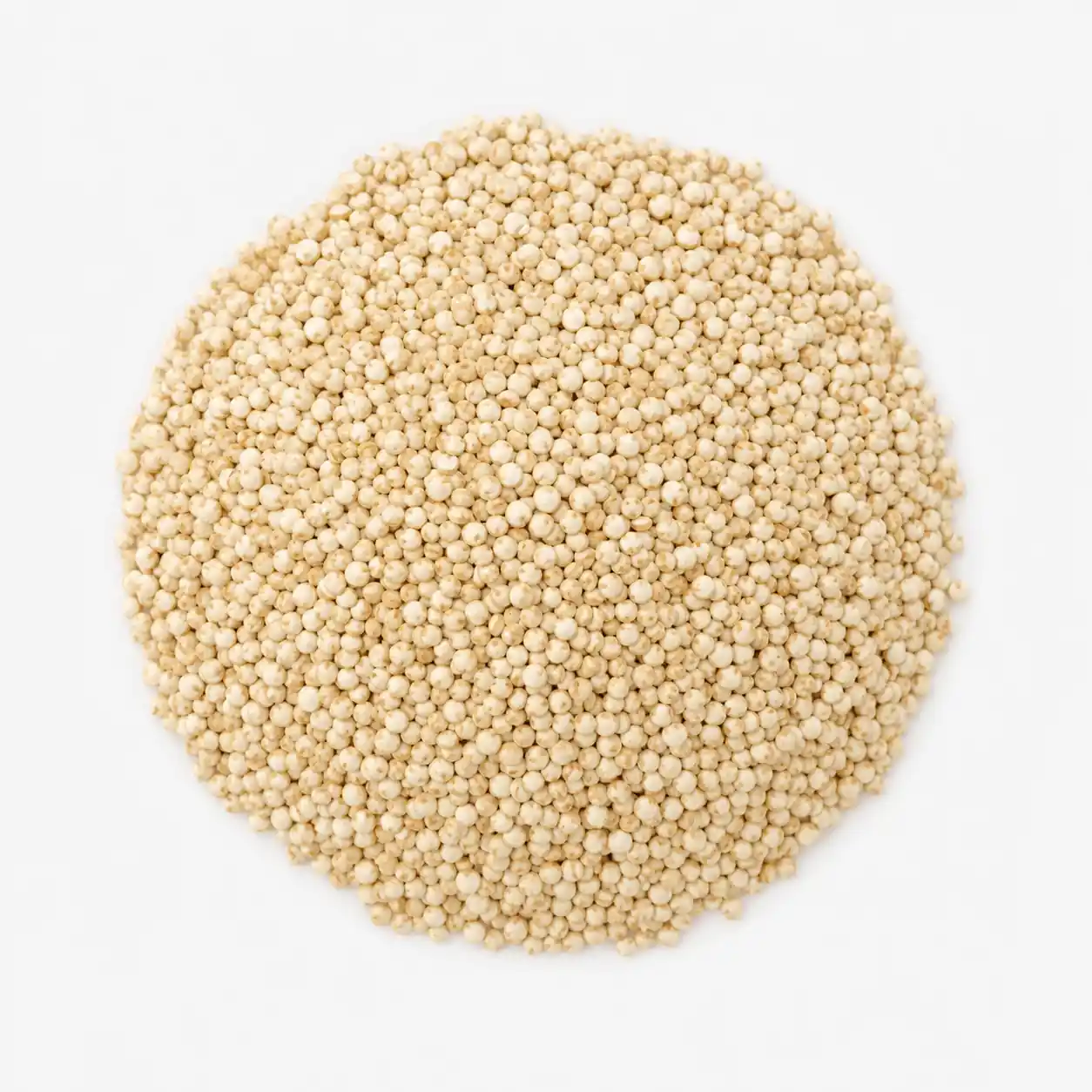
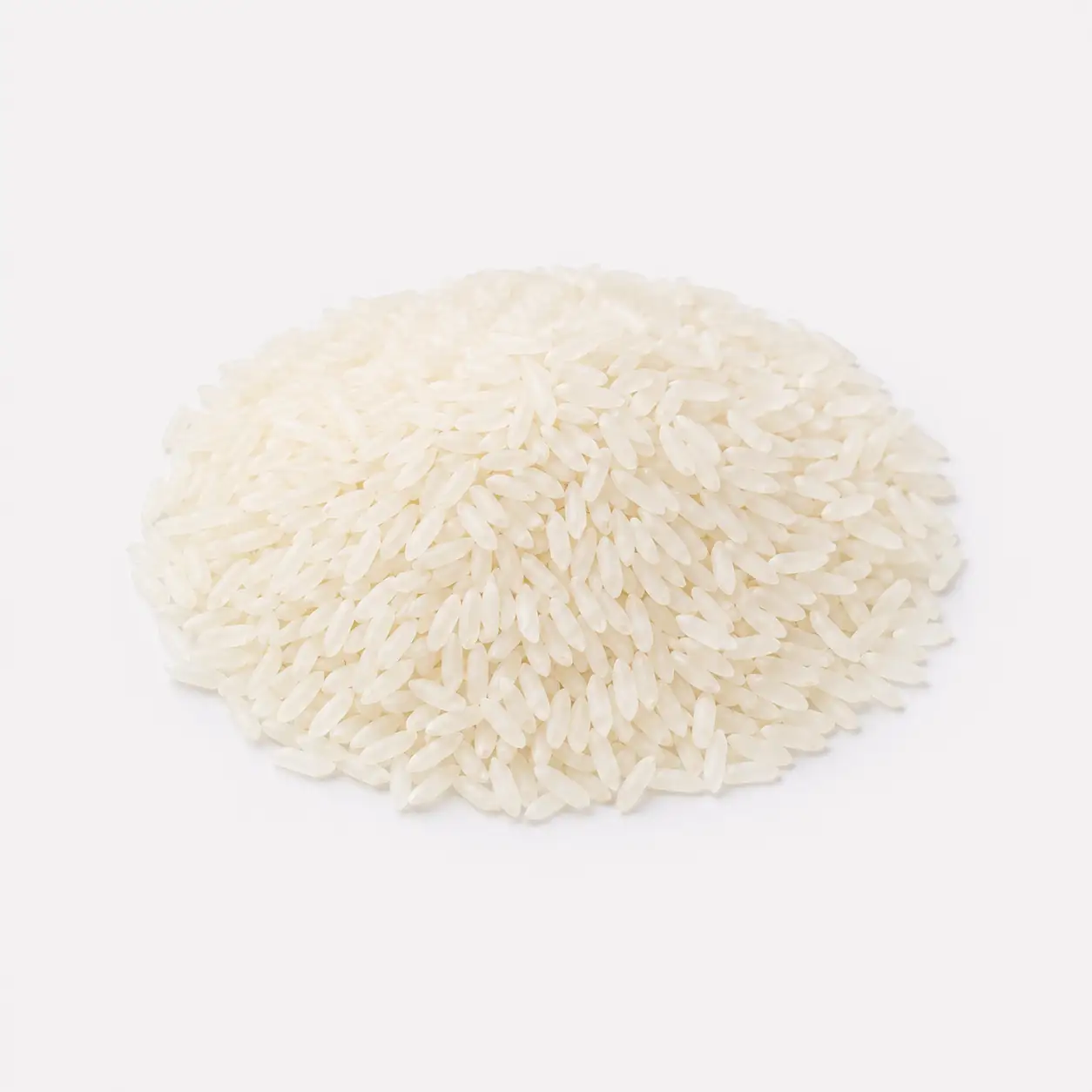
How to serve by age
6+ months
Cook the grain until very soft and serve it as a smooth cereal or soft puree.
Offer soft cereal on a pre-loaded spoon.
9+ months
Offer a thicker soft cereal that holds its shape on a spoon but is still easy to mash.
Offer a thicker soft cereal your baby can practice scooping as their skills develop.
12+ months
Offer a thicker soft cereal or use the soft grain in family meals, keeping the texture moist and right for your child.
Offer thick soft cereal or soft grain dishes for your child to eat on their own, keeping the texture moist and safe.
Choking risk
Dry, loose, or undercooked rice can be hard for babies to swallow. Serve rice well cooked, soft, and moist, in a form that suits your child’s stage.
Keep your child sitting upright and stay with them throughout the meal.
Allergies
Individual allergic reactions are possible.
Why arsenic comes up
The FDA notes that rice takes up arsenic from soil and water more readily than other crops. That’s no reason to drop rice: the FDA says it can be part of a well-balanced diet, and iron-fortified infant rice cereal is fine for babies. It just shouldn’t be the only cereal, and it doesn’t need to be the first. For variety, the FDA points to iron-fortified wheat, oat, barley, and multigrain cereals.
Cooking rice to lower arsenic
Cooking rice in plenty of water and draining it removes 40 to 60 percent of the inorganic arsenic.
That’s the FDA’s finding: use 6 to 10 parts water to 1 part rice and cook it like pasta. There’s a trade-off, though. In enriched white and parboiled rice, this method cuts the added folate, iron, niacin, and thiamine by 50 to 70 percent. According to the FDA, rinsing rice before cooking barely changes the arsenic level but washes off those same vitamins and iron.
Rice drinks
The NHS advises against rice drinks for children under 5 as a substitute for breast milk, formula, or cow’s milk after age 1, because they may contain too much arsenic. If your child has already had rice drinks, there’s no immediate risk, but it’s best to switch.
Leftover rice
Spores of some bacteria survive cooking. If cooked rice sits at room temperature, they can grow and make toxins that reheating won’t destroy. The NHS advises cooling rice within 1 hour of cooking, keeping it in the fridge, and eating it within 24 hours. Reheat it only once, until it’s steaming hot throughout: 158°F (70°C) for 2 minutes. Throw out rice left at room temperature overnight.
Sources · 10
This page is based on guidance from health organizations:
- WHO — Complementary feeding
- CDC — When, What, and How to Introduce Solid Foods
- FDA — Inorganic Arsenic in Rice Cereals for Infants
- CDC — Infant and Toddler Nutrition
- NHS — Your baby's first solid foods
- AAP — Starting Solid Foods
- NHS — Food allergies in babies and young children
- FDA — What You Can Do to Limit Exposure to Arsenic
- NHS — Foods to avoid giving babies and young children
- NHS — Starchy foods and carbohydrates
For informational purposes only. Not medical advice. Decide on introducing foods, especially allergens, together with your pediatrician.