How to serve by age
6+ and 9+ months
Do not offer juice as a drink.
12+ months
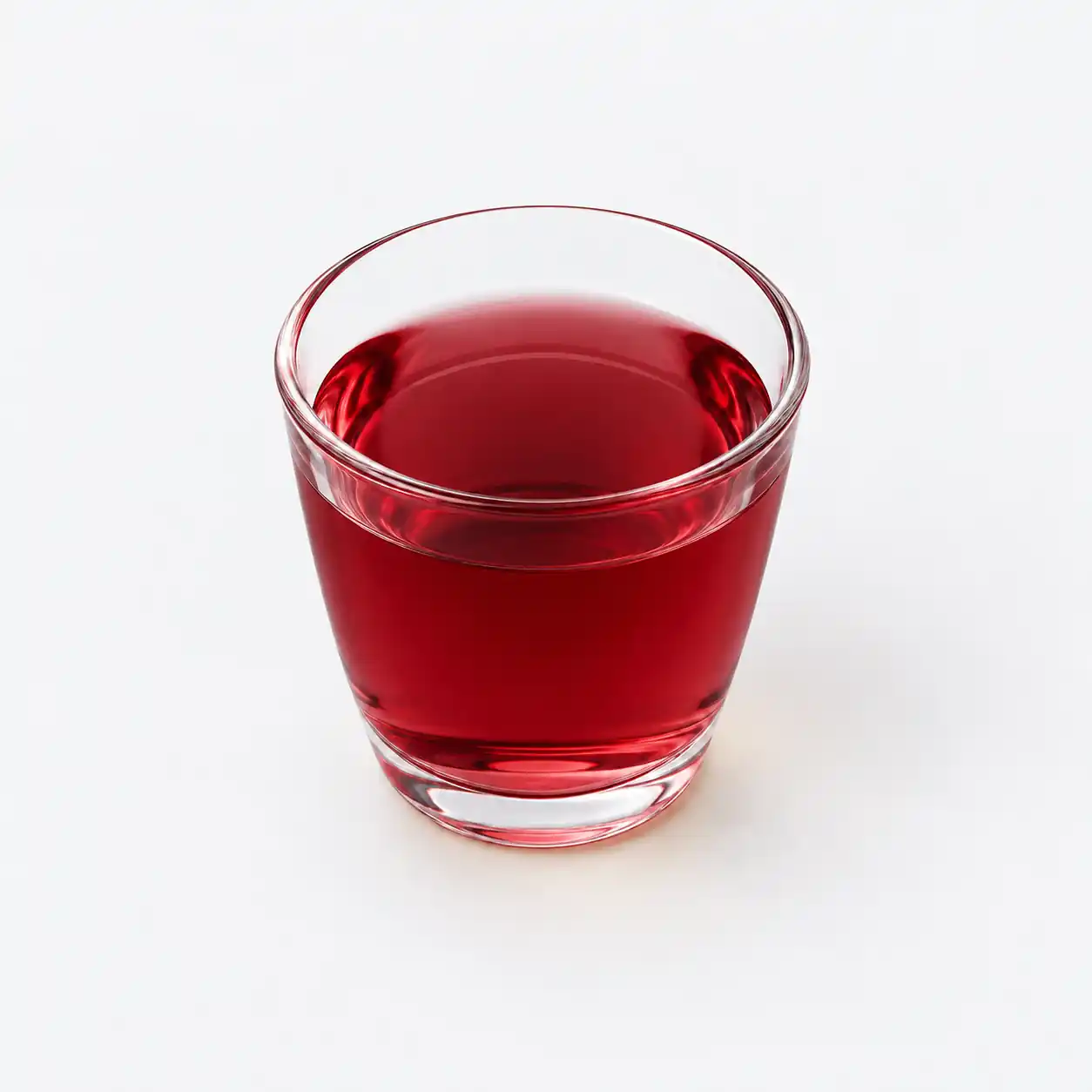
If you choose to offer juice, put diluted pasteurized 100% juice with no added sugar in an open cup. Help your child hold the cup and drink with a meal.
Choking risk
Smooth juice needs no preparation into pieces. If the drink contains pulp or fruit pieces, check their texture. Help your child drink from an open cup.
Keep your child sitting upright and stay with them while they drink.
Allergies
Individual allergic reactions are possible. Ingredients depend on the fruits used; if your child has reacted to a particular fruit, check the juice's ingredients.
How much and when
The American Academy of Pediatrics (AAP) doesn’t recommend juice before 12 months: it offers no nutritional benefit at that age and raises the risk of tooth decay and a preference for sweet flavors. For children 1 to 6, the AAP advises limiting juice to 4 to 6 ounces (120 to 180 ml) a day, served with a meal. Skip juice at bedtime, and don’t use it to treat dehydration or diarrhea.
One small glass, total
The NHS says fruit juice, vegetable juice, and smoothies combined shouldn’t go over 150 ml a day, which is a small glass, and they count as no more than one of your 5 A Day, however much you drink. Juicing or blending fruit releases its sugars, which raises the risk of tooth decay, so juice is best with meals. The NHS counts juice sugar as free sugar, even though it occurs naturally.
Juice versus whole fruit
100 g of apple juice has 0.2 g of fiber; a whole apple has 2.4 g.
That’s USDA data. Juice has nearly as much sugar as the fruit, 9.6 g per 100 g, but almost no fiber. The AAP notes that juice has no nutritional advantage over whole fruit, which also provides fiber and other nutrients.
Pasteurized or fresh-squeezed
The FDA warns that fresh-squeezed juice can pick up bacteria from the produce, and untreated juice can make children seriously ill. Most juice sold in the US is pasteurized. Packaged untreated juice must carry a warning label, but juice sold by the glass, at farmers’ markets or juice bars, doesn’t need one. Untreated juice is most likely to be in the store’s refrigerated section.
Sources · 12
This page is based on guidance from health organizations:
- CDC — Foods and Drinks to Avoid or Limit
- WHO — Guideline for complementary feeding of infants and young children 6–23 months of age
- AAP — Fruit Juice in Infants, Children, and Adolescents
- NHS — Food and drinks to avoid
- NHS — Drinks and cups for babies and young children
- NHS — Food allergies in babies and young children
- AAP — Where We Stand: Fruit Juice for Children
- NHS — 5 A Day portion sizes
- NHS — Sugar: the facts
- USDA FoodData Central — Apple juice, unsweetened, without added ascorbic acid
- USDA FoodData Central — Apples, raw, with skin
- FDA — What You Need to Know About Juice Safety
For informational purposes only. Not medical advice. Decide on introducing foods, especially allergens, together with your pediatrician.