How to serve by age
6+ months
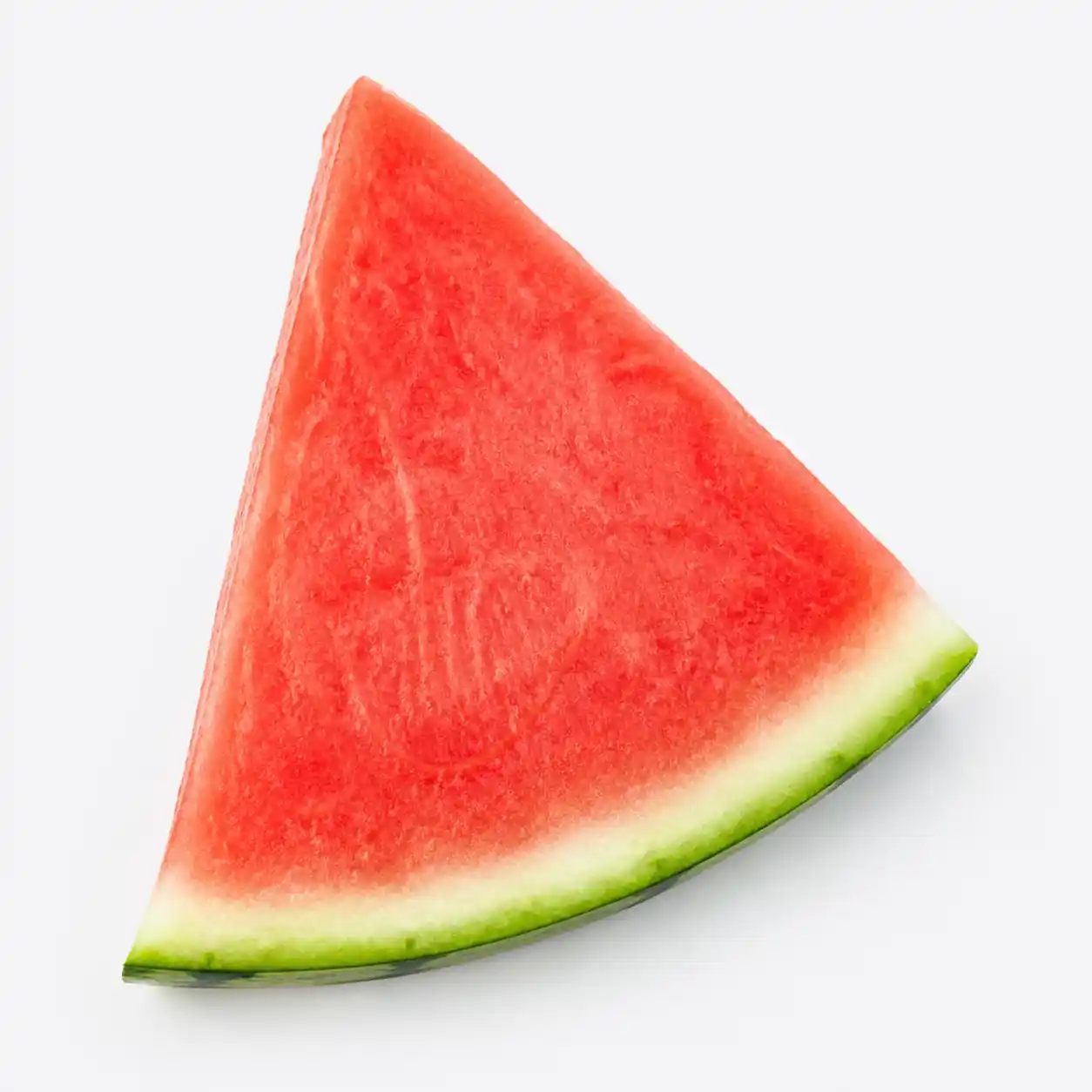
Mash ripe watermelon flesh with no rind or hard seeds into a soft, juicy puree.
Offer a large, thin strip of ripe flesh with no rind or hard seeds that your baby can hold.
9+ months
Offer very soft mashed flesh or small, thin, soft seedless pieces.
Offer soft thin sticks or long pieces with no rind or hard seeds.
12+ months
Offer soft pieces of watermelon with no rind or hard seeds; avoid large slippery cubes.
Offer small soft pieces with no rind or hard seeds; avoid firm slippery cubes.
Choking risk
Large slippery cubes, round pieces, rind, and hard seeds can be hard to manage in the mouth. Remove the rind and hard seeds. For babies, watermelon is best served as a soft, juicy mash, a large thin strip without rind, or soft thin pieces rather than firm cubes.
Keep your child sitting upright and stay with them throughout the meal.
Allergies
Allergic reactions to watermelon are possible. Some people with a ragweed pollen allergy may also react to watermelon.
Cut watermelon: 2 hours on the counter
2 hours is the limit for cut melon or watermelon at room temperature, or 1 hour in hot weather.
The CDC lists cut melons, watermelon included, among foods that can spread Listeria. It considers cut melon risky if it’s been left out for more than 2 hours, or more than 1 hour above 90°F (32°C), such as at a picnic or in a hot car, and also if it’s been in the fridge for more than a week. Freshly cut is safest.
Store-bought halves
The FDA advises buying pre-cut or packaged produce, such as half a watermelon, only if it’s refrigerated or on ice, and refrigerating it as soon as you get home. Cut away damaged or bruised spots, and throw out produce that looks rotten.
Before you cut
The FDA advises washing all fruits and vegetables under running water, even if you don’t eat the rind, so dirt and bacteria don’t spread from the surface to the flesh when you cut. For firm produce like watermelon and other melons, the FDA suggests a clean produce brush.
What’s in the flesh
According to USDA data, 100 g of watermelon has 91 g of water, 6.2 g of sugars, 28 mcg of vitamin A, and 8 mg of vitamin C. It’s low in calories, at 30 per 100 g. Watermelon is refreshing in hot weather but doesn’t replace drinks for your baby: the NHS suggests offering sips of water from a cup with meals once your baby starts solids, from around 6 months.
Sources · 10
This page is based on guidance from health organizations:
- WHO — Complementary feeding
- NHS — Your baby's first solid foods
- NHS — Preparing food safely for babies
- CDC — Choking Hazards
- ACAAI — Food Allergies
- NHS — Food allergies in babies and young children
- CDC — Preventing Listeria Infection
- FDA — Selecting and Serving Produce Safely
- USDA FoodData Central — Watermelon, raw
- NHS — Drinks and cups for babies and young children
For informational purposes only. Not medical advice. Decide on introducing foods, especially allergens, together with your pediatrician.