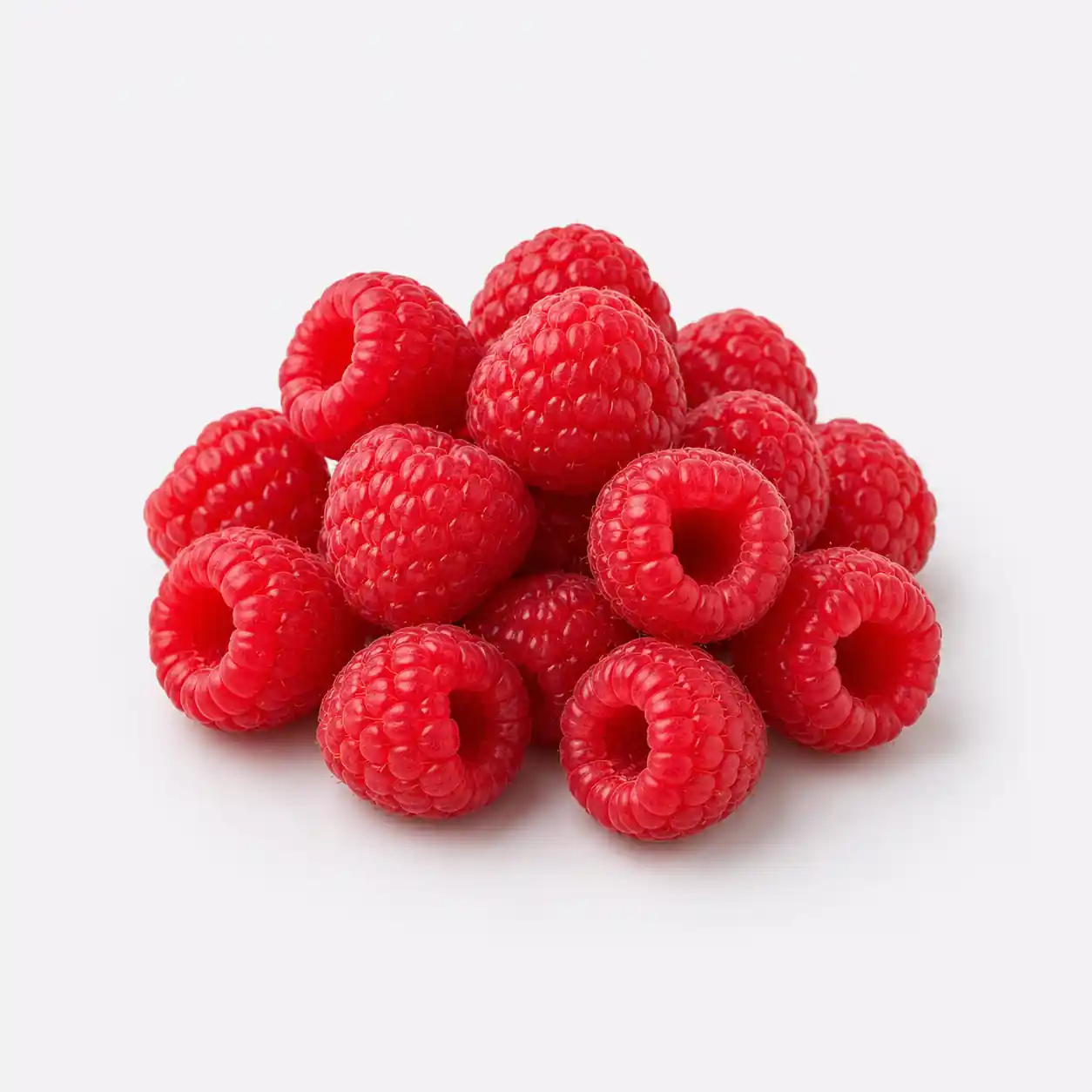
How to serve by age
6+ months
Mash soft raspberries and offer on a spoon, either on their own or mixed into cereal, plain yogurt, or fruit puree. If the berries are firm, cook them until soft first.
Crush the berries and offer them on a pre-loaded spoon your baby holds.
9+ months
Offer crushed berries in a soft clump or on a spoon.
12+ months
Offer soft crushed berries as part of a dish.
Choking risk
Large pieces or firm raspberry fibers can be hard for young children to chew safely.
To lower the risk:
- mash raspberries before serving;
- cook them until soft if needed;
- offer small soft portions.
Keep your child sitting upright and stay with them throughout the meal.
Allergies
Individual allergic reactions are possible.
Plenty of fiber
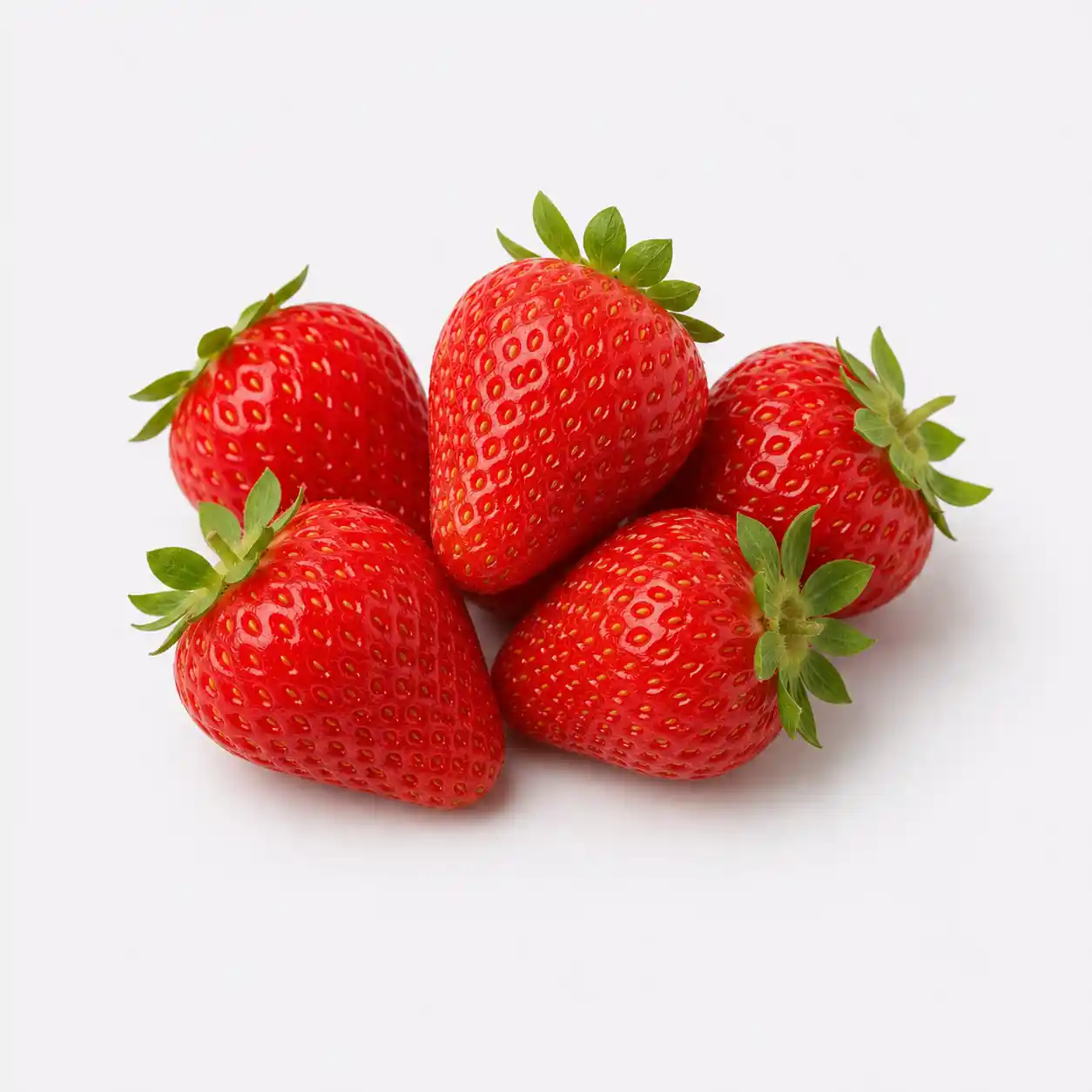
100 g of raspberries has 6.5 g of fiber, three times as much as strawberries.
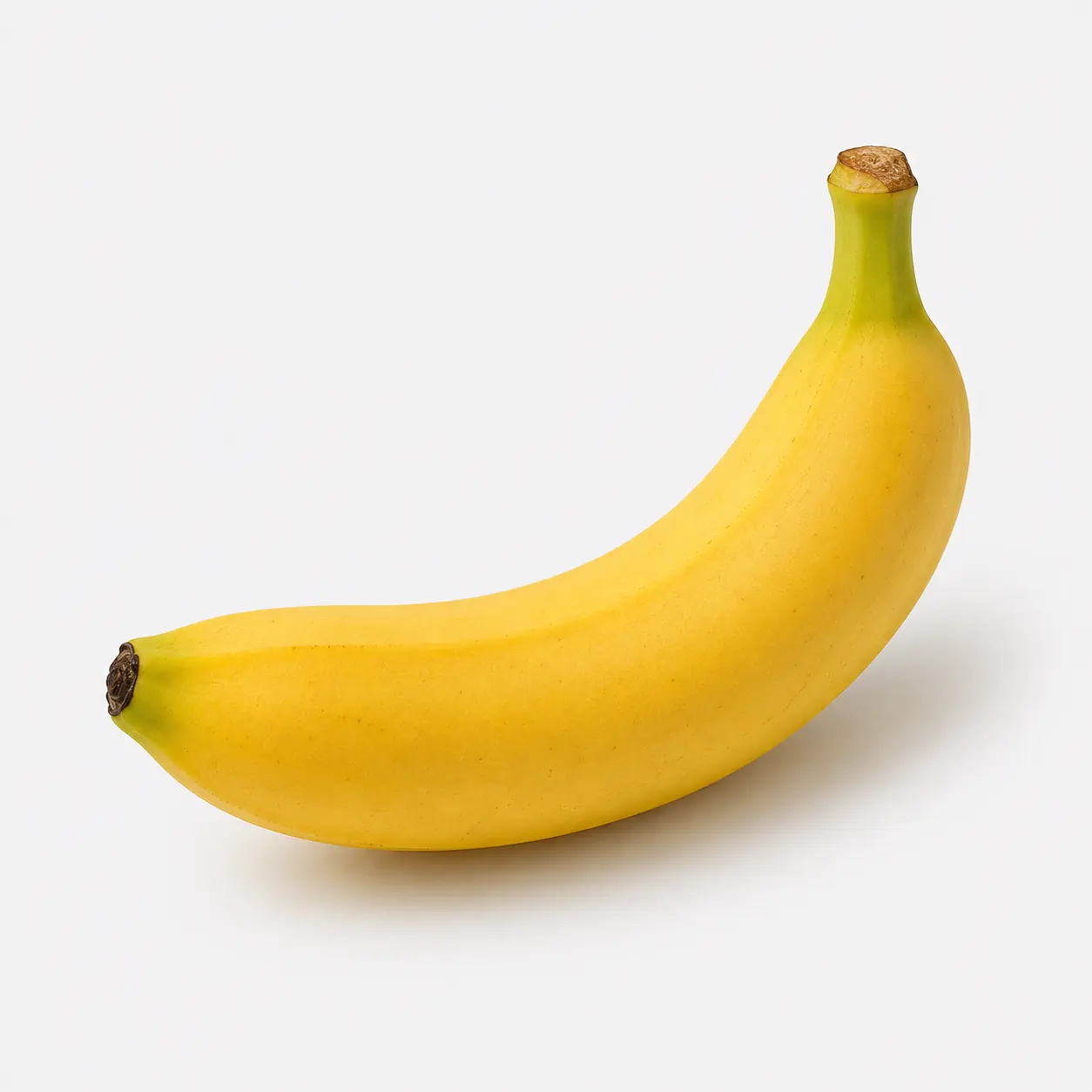
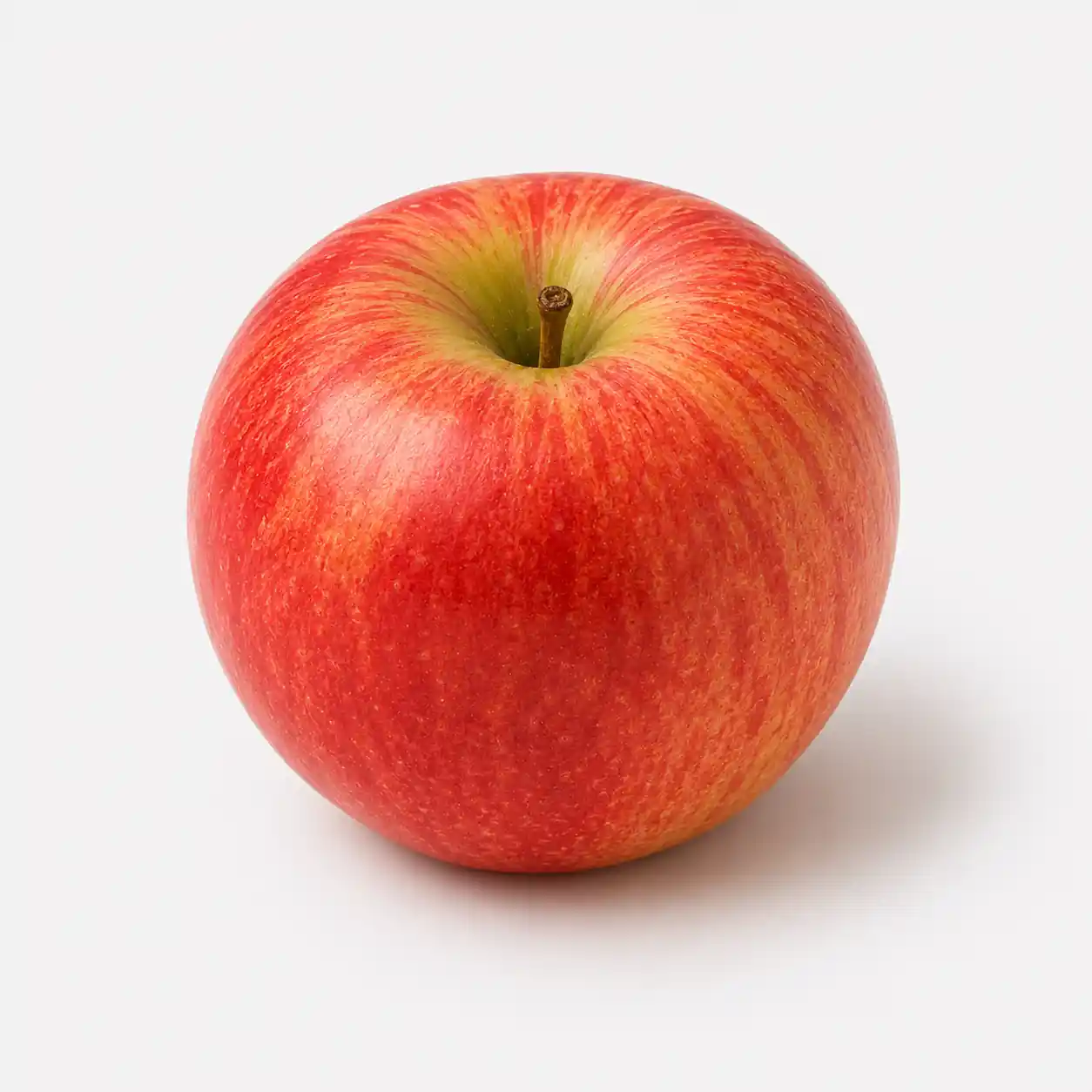
That’s USDA data: strawberries have 2 g of fiber, banana has 2.6 g, and apple with the peel has 2.4 g. Raspberries beat every fruit in that comparison on fiber.
Vitamin C
100 g of raspberries has 26 mg of vitamin C, about half the daily amount for babies 7 to 12 months old (50 mg, according to the NIH). Vitamin C is needed to make collagen, which helps wounds heal, and for the immune system to work properly. Heat and long storage reduce it, so raspberries are best served fresh.
Manganese
The same portion has 0.67 mg of manganese, more than the daily amount for babies 7 to 12 months old (0.6 mg, according to the NIH). Manganese is part of many enzymes: according to the NIH, it’s involved in carbohydrate, glucose, and cholesterol metabolism, bone formation, and immune response. For comparison, strawberries have 0.39 mg and blueberries 0.34 mg.
Magnesium and vitamin E
100 g of raspberries has 22 mg of magnesium, almost a third of the daily amount (75 mg), and 0.9 mg of vitamin E, about a fifth of the daily amount (5 mg). Raspberries are low in sugar too, at 4.4 g per 100 g. That’s from USDA and NIH data.
100 g of raspberries also has 7.8 mcg of vitamin K, three times the daily amount (2.5 mcg), and 21 mcg of folate, about a quarter of the daily amount (80 mcg).
Sources · 17
This page is based on guidance from health organizations:
- WHO — Complementary feeding of infants and young children
- CDC — Foods and Drinks for 6 to 24 Month Olds
- NHS — Preparing food safely for babies
- WHO — Complementary feeding
- NHS — Choking and gagging on food
- NHS — Foods to avoid giving babies and young children
- USDA FoodData Central — Raspberries, raw
- USDA FoodData Central — Strawberries, raw
- USDA FoodData Central — Bananas, raw
- USDA FoodData Central — Apples, raw, with skin
- USDA FoodData Central — Blueberries, raw
- NIH ODS — Vitamin C
- NIH ODS — Manganese
- NIH ODS — Magnesium
- NIH ODS — Vitamin E
- NIH ODS — Vitamin K
- NIH ODS — Folate
For informational purposes only. Not medical advice. Decide on introducing foods, especially allergens, together with your pediatrician.