How to serve by age
6+ months
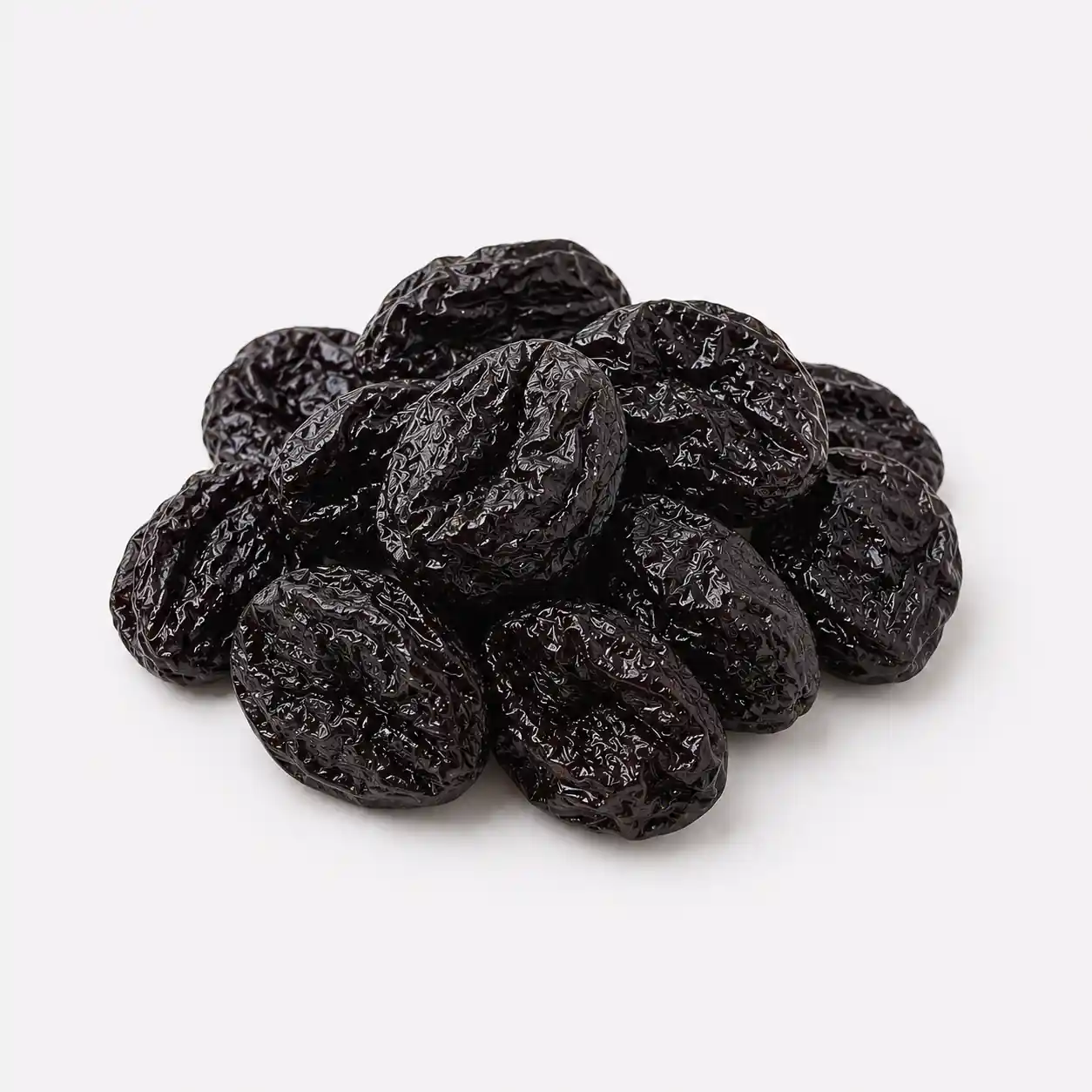
Soften pitted prunes, blend them into a smooth puree or paste, and stir it well into cereal or fruit puree.
Soften pitted prunes, blend them into a smooth paste, and offer it on a pre-loaded spoon.
9+ months
Finely chop very soft pitted prunes and mix them into cereal or another soft food.
Use very soft, finely chopped prunes only in a soft food for self-feeding.
12+ months
Use small soft pieces of prune in dishes or baked goods; avoid large sticky pieces.
Use small soft pieces of prune in foods for self-feeding; avoid large sticky pieces.
Choking risk
Whole prunes and dense sticky pieces can be a choking hazard for babies and young children.
To lower the risk:
- remove the pits;
- finely chop or mash prunes;
- soften them in water;
- mix them into soft foods.
Keep your child sitting upright and stay with them throughout the meal.
Allergies
Individual allergic reactions are possible.
Prunes for constipation
The American Academy of Pediatrics (AAP) suggests vegetables and fruits for constipation in babies who are already eating solids, especially that old standby, prunes. If diet changes don’t help, the AAP advises calling your pediatrician.
An NHS children’s service also names prunes, along with apples and pears, as high-fiber foods. It notes that constipation in babies eating solids is often linked to too little fiber or fluid, so along with fiber, make sure your baby gets enough to drink.
How much fiber
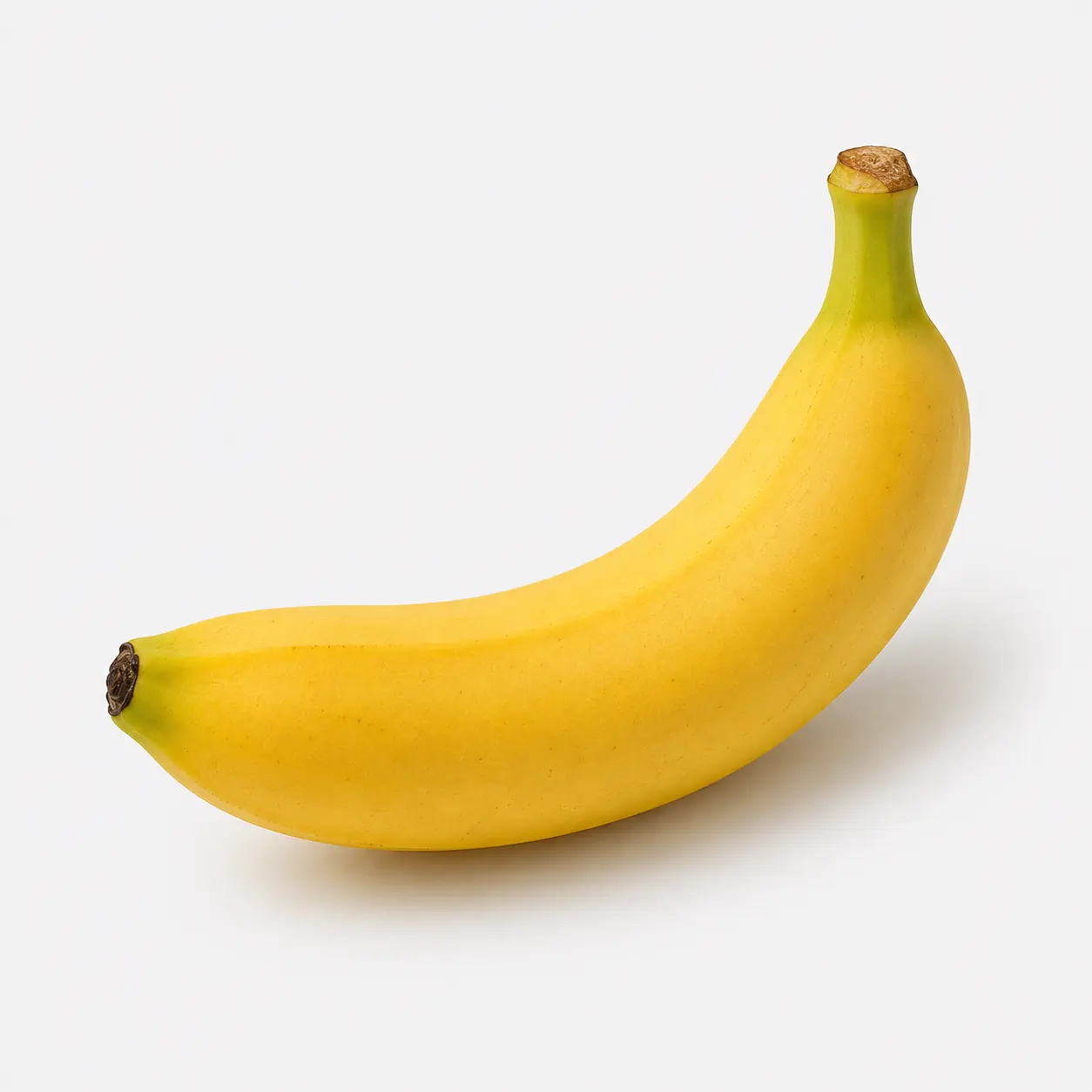
100 g of prunes has 7.1 g of fiber, almost three times as much as banana.
That’s USDA data. For comparison, fresh plums have 1.4 g of fiber. Drying removes water, so prunes have more of everything by weight, sugar included: 38 g per 100 g versus 10 g in fresh plums.
Potassium and vitamin K
100 g of prunes has 732 mg of potassium, nearly the full daily amount for babies 7 to 12 months old (860 mg, according to the NIH), and 60 mcg of vitamin K. Potassium helps muscles, nerves, kidneys, and the heart work.
100 g of prunes also has 0.2 mg of vitamin B6, two thirds of the daily amount for babies 7 to 12 months old (0.3 mg, according to the NIH), and almost 1 mg of iron.
How much to give
A little goes a long way: the NHS gives an adult portion of dried fruit as about 30 g, roughly 3 prunes. A baby needs far less, one or two prunes stirred into a puree or cereal.
Sources · 15
This page is based on guidance from health organizations:
- WHO — Complementary feeding of infants and young children
- NHS — Foods and drinks to avoid
- AAP — Starting Solid Foods
- NHS — Preparing food safely for babies
- CDC — Choking Hazards
- AAP — Choking Prevention
- NHS — Food allergies in babies and young children
- AAP — Infant Constipation
- NHS Cambridgeshire and Peterborough — Constipation in babies
- USDA FoodData Central — Plums, dried (prunes), uncooked
- USDA FoodData Central — Plums, raw
- USDA FoodData Central — Bananas, raw
- NIH ODS — Potassium
- NHS — 5 A Day portion sizes
- NIH ODS — Vitamin B6
For informational purposes only. Not medical advice. Decide on introducing foods, especially allergens, together with your pediatrician.