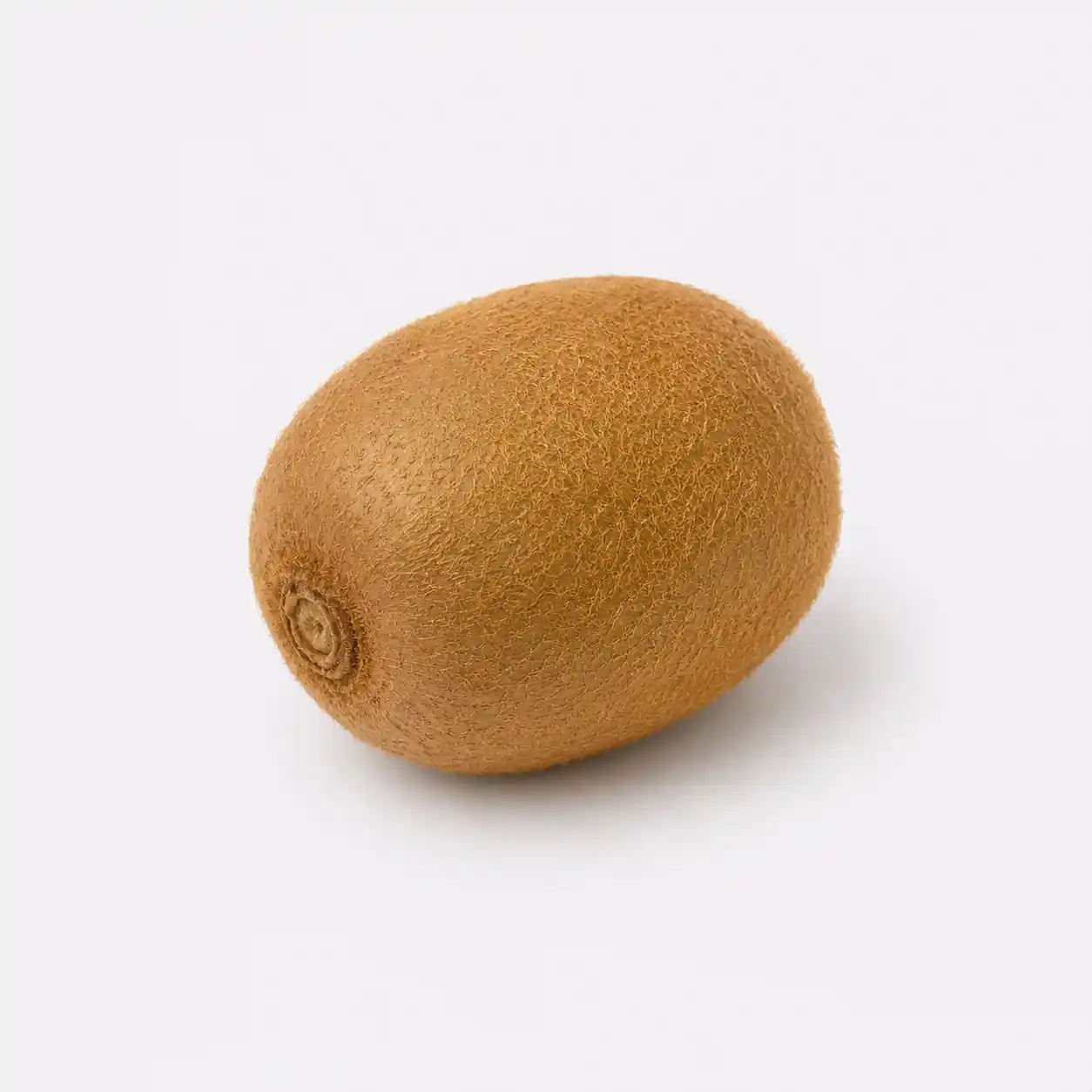
How to serve by age
6+ months
Mash ripe peeled kiwi until soft and smooth.
Offer a large soft piece of ripe peeled kiwi that’s easy to hold.
9+ months
Offer small soft pieces of peeled kiwi.
Offer soft pieces of peeled kiwi your baby can pick up.
12+ months
Serve soft pieces of peeled kiwi as part of family meals.
Offer pieces of peeled kiwi for your child to eat on their own.
Choking risk
Kiwi is soft, but serve it in a form that matches your baby’s stage. Avoid large firm chunks.
Keep your child sitting upright and stay with them throughout the meal.
Allergies
Kiwi isn’t considered a major food allergen. However, people with a latex allergy may cross-react to kiwi (latex-fruit syndrome).
A vitamin C champion
100 g of green kiwi has 93 mg of vitamin C, almost twice the daily amount for babies 7 to 12 months old.
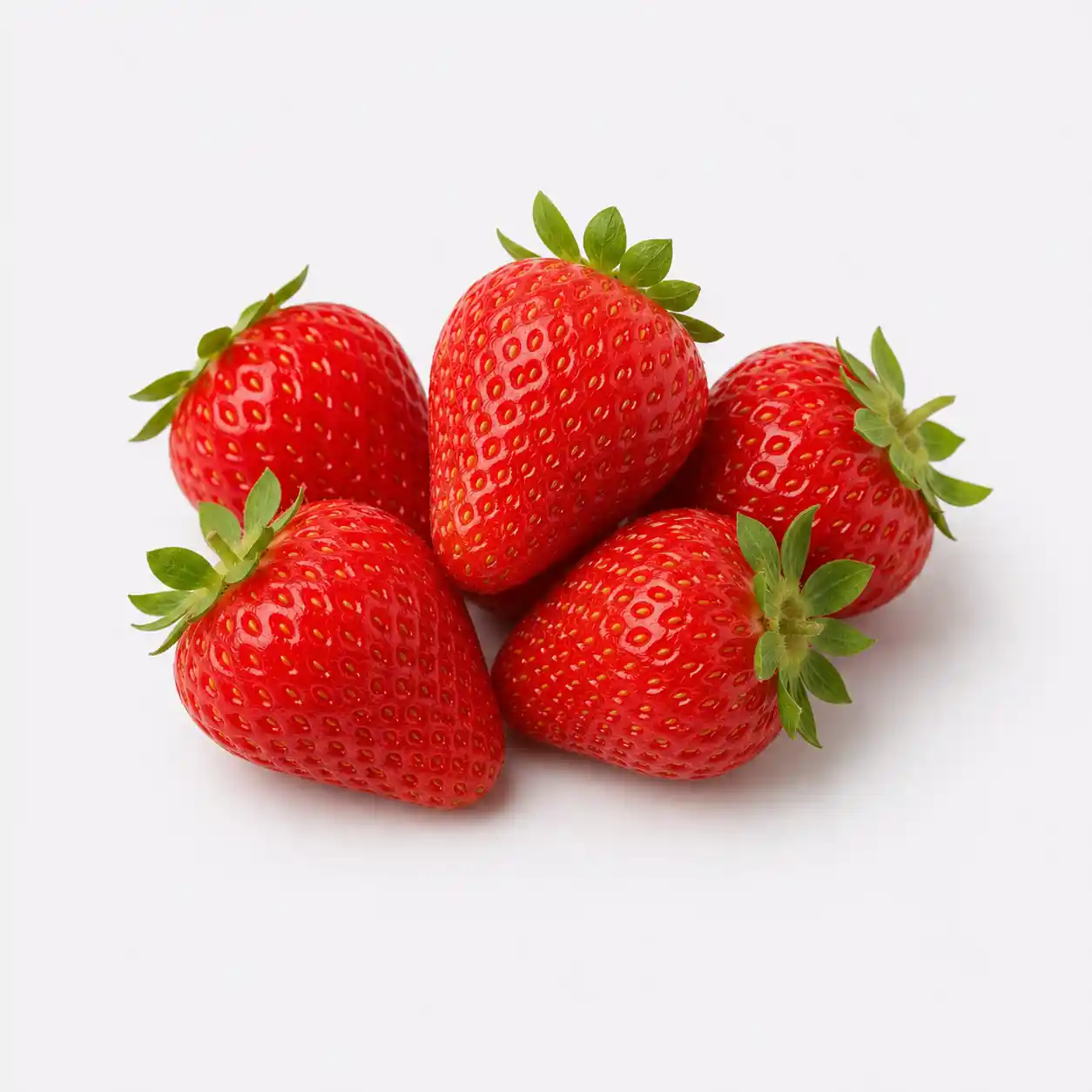
That’s USDA data; the 50 mg target comes from the NIH. Golden SunGold kiwi has even more, 161 mg. For comparison, strawberries have 59 mg and orange juice has 50 mg. The NIH names kiwifruit among fruits with a lot of vitamin C.
Green or golden
The varieties differ in more than vitamin C. According to USDA data, green kiwi has 3 g of fiber and 40 mcg of vitamin K per 100 g, while golden has 1.4 g of fiber and 6 mcg of vitamin K. Golden kiwi is sweeter, with 12.3 g of sugars versus 9 g in green.
100 g of green kiwi also has 312 mg of potassium, more than a third of the daily amount for babies 7 to 12 months old (860 mg), and 25 mcg of folate, almost a third of the daily amount (80 mcg, according to the NIH).
Vitamin K and vitamin E
100 g of green kiwi has 40 mcg of vitamin K, many times the daily amount for a baby, and 1.5 mg of vitamin E, about a third of the daily amount (5 mg, according to the NIH). Vitamin K helps blood clot and keeps bones healthy, and vitamin E protects cells from damage caused by free radicals.
How much is a portion
The NHS gives an adult fruit portion as 2 kiwi fruit. A few spoonfuls of mashed flesh is enough for a baby. Heat and long storage break down vitamin C, so serve kiwi fresh.
Sources · 17
This page is based on guidance from health organizations:
- WHO — Complementary feeding
- CDC — When, What, and How to Introduce Solid Foods
- NHS — Your baby's first solid foods
- CDC — Infant and Toddler Nutrition
- NHS — Foods to avoid giving babies and young children
- AAP — Starting Solid Foods
- AAAAI — Latex Allergy and Foods
- USDA FoodData Central — Kiwifruit, green, raw
- USDA FoodData Central — Kiwifruit, ZESPRI SunGold, raw
- USDA FoodData Central — Strawberries, raw
- USDA FoodData Central — Orange juice, raw
- NIH ODS — Vitamin C
- NIH ODS — Vitamin K
- NIH ODS — Vitamin E
- NHS — 5 A Day portion sizes
- NIH ODS — Potassium
- NIH ODS — Folate
For informational purposes only. Not medical advice. Decide on introducing foods, especially allergens, together with your pediatrician.