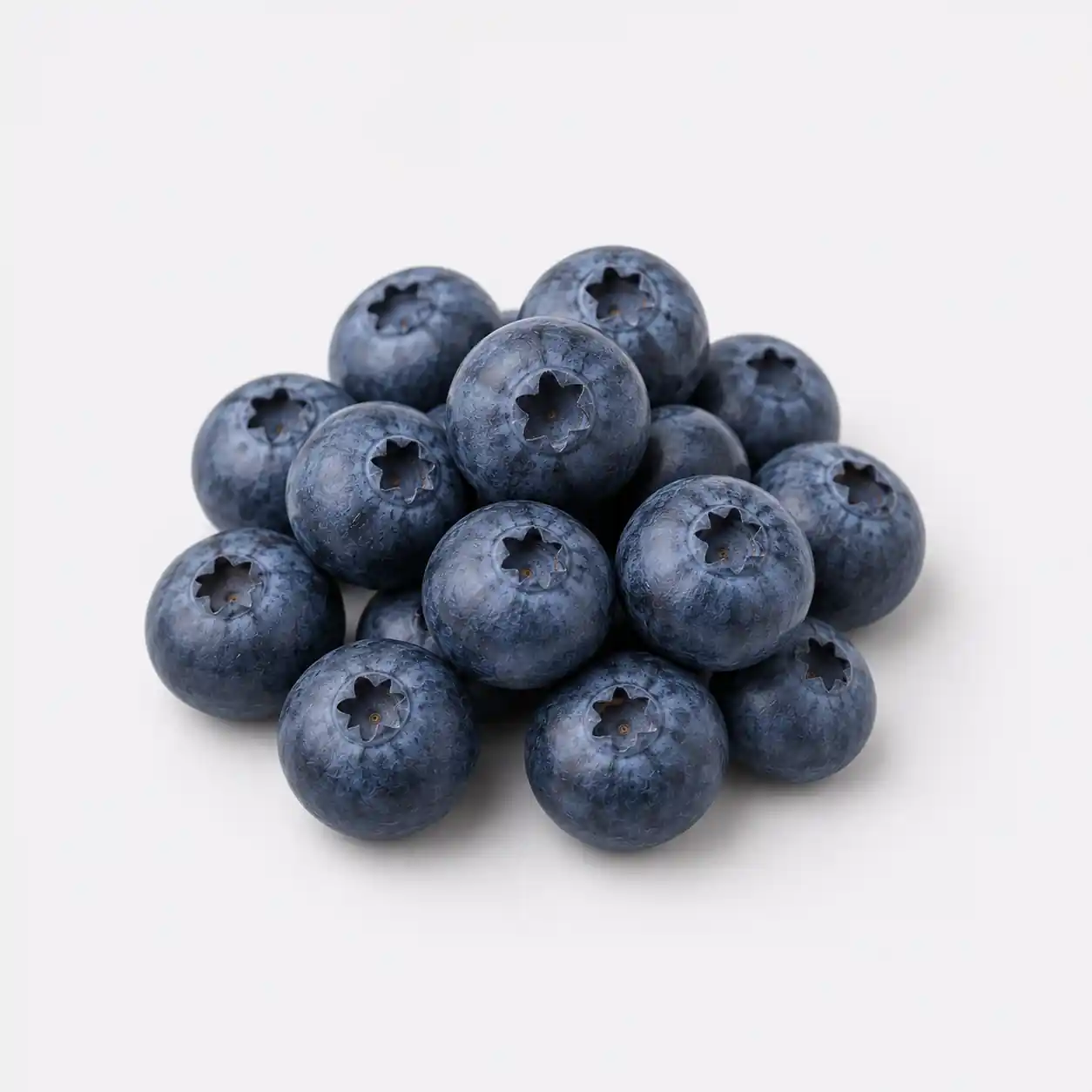
How to serve by age
6+ months
Mash soft blueberries and mix them into cereal or puree. If the berries are firm, cook them until soft first. Leave no whole berries.
Crush the berries and offer them on a pre-loaded spoon your baby holds.
9+ months
Offer soft, flattened blueberries on their own or mixed into soft foods.
Offer crushed berries in a soft clump or on a spoon.
12+ months
Offer soft, flattened blueberries in meals. Don’t offer whole berries.
Offer soft crushed berries as part of a dish.
Choking risk
Whole blueberries can be a choking hazard for young children.
To lower the risk:
- mash blueberries before serving;
- cook them until soft if needed;
- don’t give whole round berries to young babies.
Keep your child sitting upright and stay with them throughout the meal.
Allergies
Individual allergic reactions are possible.
Vitamin K
100 g of blueberries has 19 mcg of vitamin K, several times the daily amount for babies 7 to 12 months old.
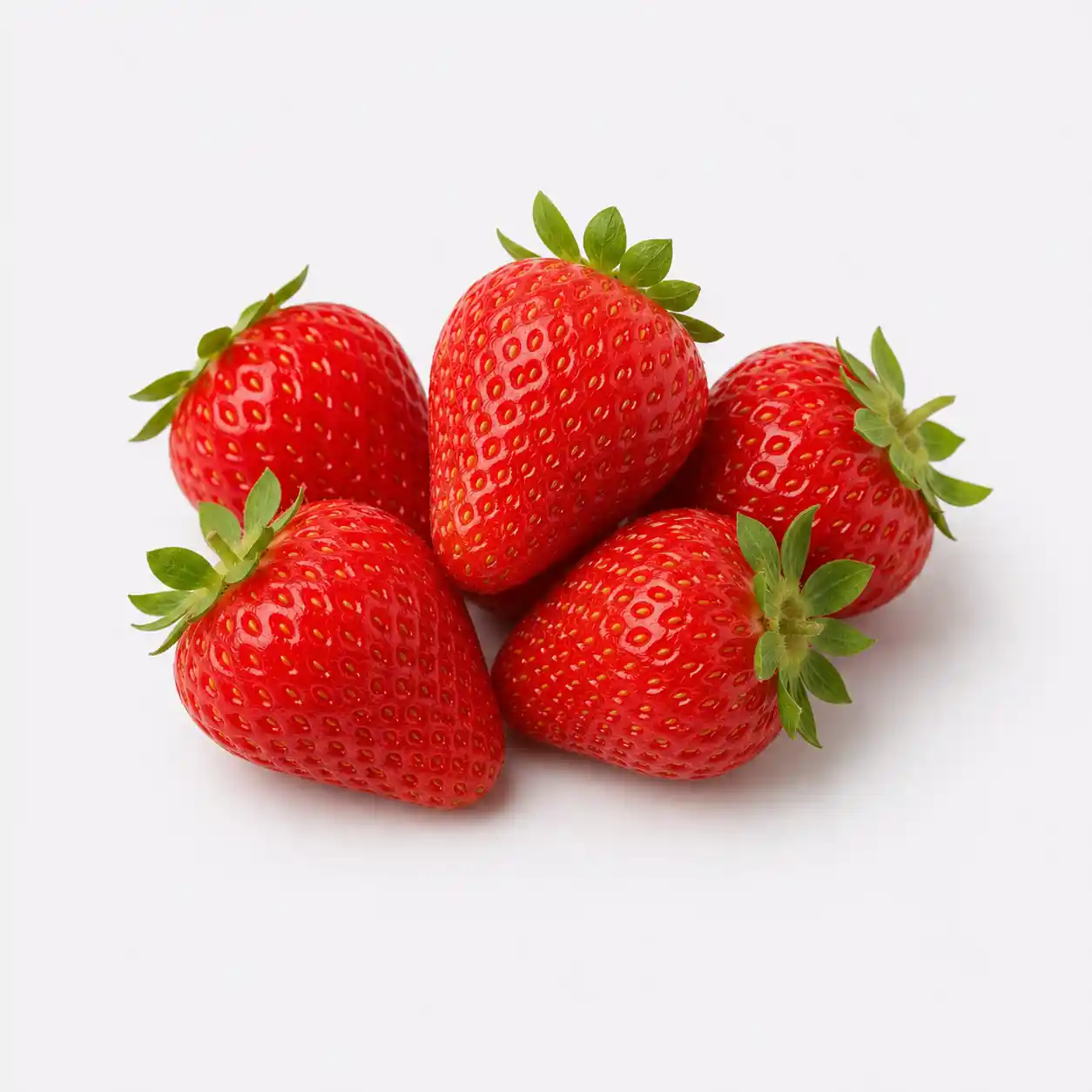
That’s USDA data. According to the NIH, vitamin K helps blood clot and keeps bones healthy. Among berries, blueberries stand out for vitamin K: strawberries have 2.2 mcg and raspberries 7.8 mcg per 100 g.
Vitamin C, manganese, and fiber
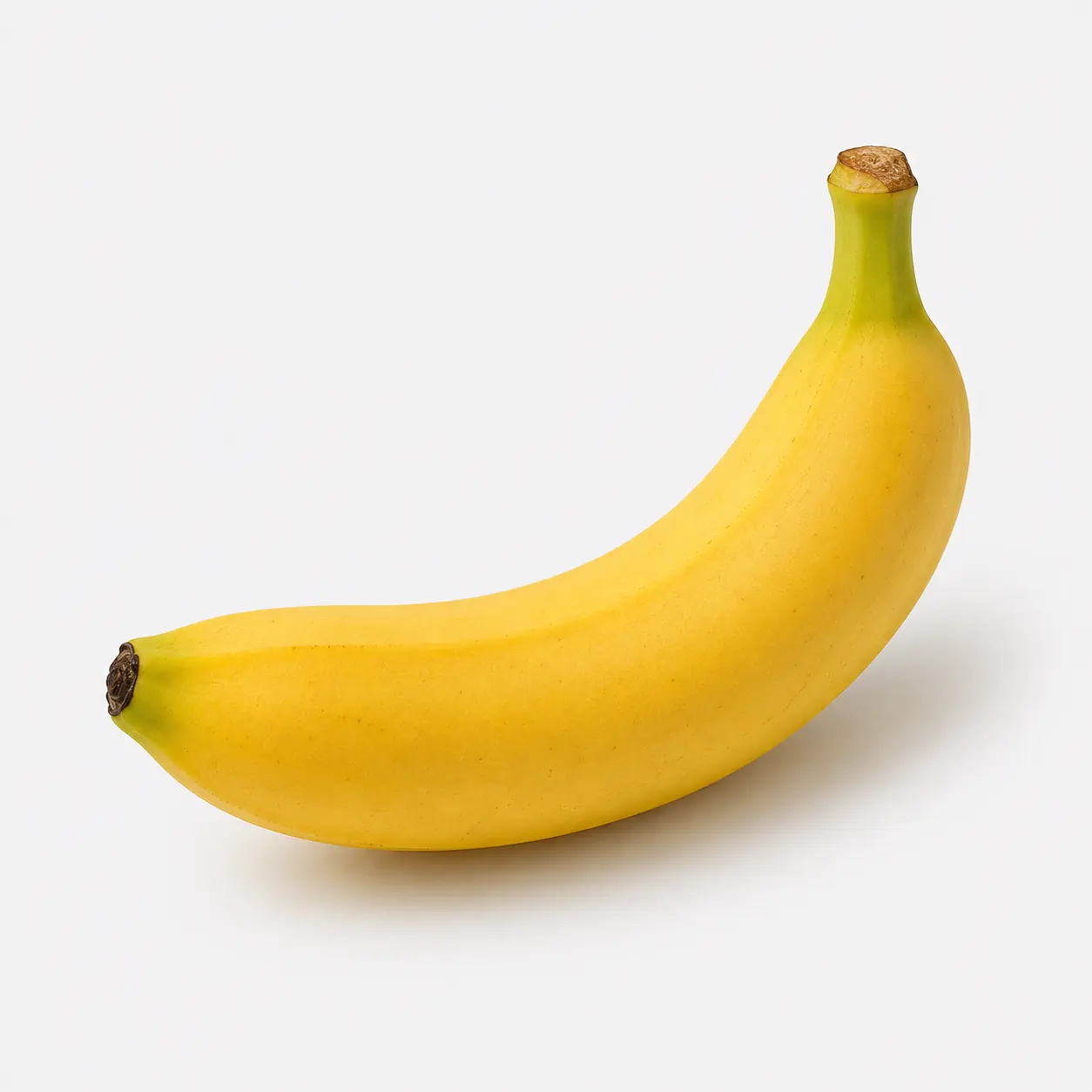
100 g of blueberries has 9.7 mg of vitamin C, about a fifth of the daily amount (50 mg, according to the NIH), 0.34 mg of manganese, more than half the daily amount (0.6 mg), and 2.4 g of fiber, almost as much as banana. Blueberries have 10 g of sugars per 100 g, less than banana or grapes.
100 g of blueberries also has 0.6 mg of vitamin E, more than a tenth of the daily amount (5 mg, according to the NIH). They’re fairly low in calories, at 57 per 100 g.
Frozen blueberries
Fresh blueberries aren’t always in season, but frozen ones are always in stores. The NHS counts frozen fruit toward 5 A Day just like fresh, and gives an adult portion as 2 handfuls, or 4 heaped tablespoons, of frozen blueberries. For a baby, thaw the berries and mash them into cereal, yogurt, or a puree.
Sources · 14
This page is based on guidance from health organizations:
- WHO — Complementary feeding of infants and young children
- CDC — Foods and Drinks for 6 to 24 Month Olds
- NHS — Preparing food safely for babies
- WHO — Complementary feeding
- NHS — Choking and gagging on food
- NHS — Foods to avoid giving babies and young children
- USDA FoodData Central — Blueberries, raw
- USDA FoodData Central — Strawberries, raw
- USDA FoodData Central — Raspberries, raw
- NIH ODS — Vitamin K
- NIH ODS — Vitamin C
- NIH ODS — Manganese
- NHS — 5 A Day portion sizes
- NIH ODS — Vitamin E
For informational purposes only. Not medical advice. Decide on introducing foods, especially allergens, together with your pediatrician.